






What's Happening?
Lobbying efforts are intensifying in Seattle regarding the city's use and potential expansion of surveillance cameras. Anti-surveillance advocates, including groups like Seattle Indivisible and the Community Not Cameras coalition, rallied on the steps
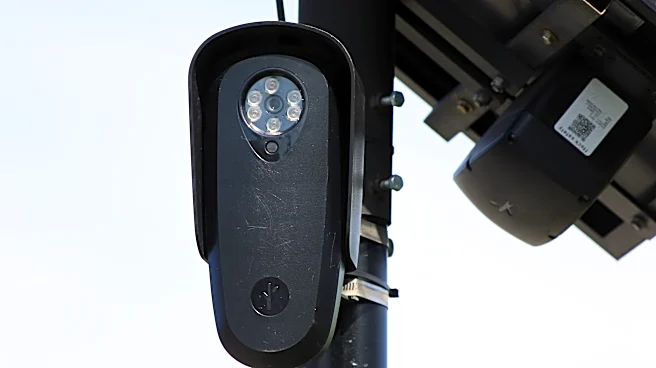
of the Seattle City Council, urging Mayor Katie Wilson to deactivate all city surveillance cameras. These groups, which include former Wilson campaign volunteers, express concerns that federal immigration authorities or other actors could misuse the cameras to collect data on immigrants or transgender individuals. Leah Salerno, an attorney and organizer, stated that mass surveillance makes people less safe and raises civil liberties issues. Concurrently, the Seattle Metropolitan Chamber of Commerce released a poll indicating broad public support for maintaining and expanding the city's camera system. The city currently operates 420 public cameras, over 700 integrated private business cameras, and numerous traffic cameras and license-plate readers in police vehicles. Mayor Wilson, who criticized camera expansion during her campaign, has turned off some cameras but awaits an audit before making further decisions.
Why It's Important?
This debate in Seattle reflects a national tension between public safety concerns and civil liberties in the digital age. The push for increased surveillance, often framed as a crime-fighting tool, clashes with privacy advocates' fears of government overreach and potential misuse of data. The Seattle Chamber of Commerce's poll, showing significant support for cameras, particularly after 911 calls, highlights a public desire for enhanced security. However, the concerns raised by anti-surveillance groups about data exploitation by federal agencies or other entities underscore the potential for these technologies to impact vulnerable populations. The mayor's cautious approach, awaiting an audit, indicates the complexity of balancing these competing interests. The outcome in Seattle could set a precedent for other U.S. cities grappling with similar issues, influencing how urban centers adopt and regulate surveillance technologies, and potentially shaping future legislation on data privacy and government oversight.
What's Next?
The immediate future will likely see continued lobbying from both sides as Mayor Katie Wilson awaits the results of a forthcoming audit on the city's surveillance camera system. This audit is expected to inform her decisions on whether to expand or reduce the camera network. The Seattle City Council will also be a key arena for this debate, especially as budget season approaches, with departments, including the Seattle Police Department, asked to model cuts up to 10%. The Chamber of Commerce's poll results will likely be used to advocate for continued investment in public safety measures, including cameras, while anti-surveillance groups will continue to highlight privacy and civil liberties concerns. The debate may also lead to discussions about stricter regulations on data retention, access, and the implementation of artificial intelligence or facial recognition technologies, which the current system reportedly does not use. The broader implications could involve legal challenges or new city ordinances regarding surveillance.
Beyond the Headlines
The Seattle surveillance camera debate delves into profound questions about the nature of a free society and the role of technology in governance. The controversy over the poll's wording, as noted by Andrew Villeneuve of the Northwest Progressive Institute, highlights the challenge of accurately gauging public opinion on complex issues and the potential for biased framing to influence outcomes. This situation also touches upon the evolving definition of privacy in an increasingly monitored world and the ethical considerations of using technology that can collect vast amounts of personal data. The concerns about federal immigration authorities or other actors using local surveillance data point to a larger discussion about data sharing between different levels of government and the potential for such data to be used for purposes beyond initial intent. This ongoing struggle in Seattle is a microcosm of a national and even global conversation about balancing security with individual freedoms in an era of pervasive digital surveillance.