



What's Happening?
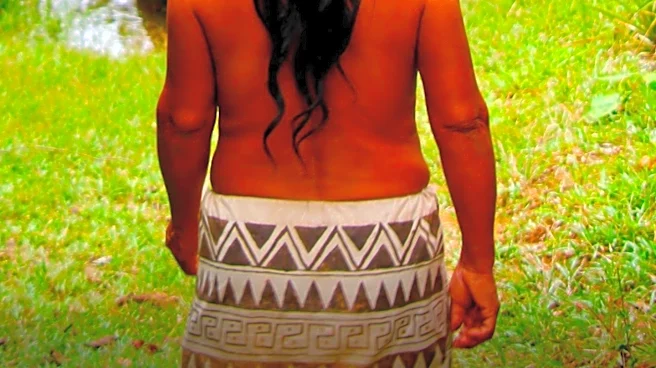
Panama is actively promoting diverse tourism experiences that extend beyond the well-known Panama Canal, focusing on its rich Afro-Caribbean and Indigenous heritage. New offerings include immersive cultural journeys with the Ngäbe-Buglé and Naso Indigenous communities.
Visitors can participate in ceremonies involving cacao with the Ngäbe-Buglé, sail to the Guna Yala Archipelago to learn about Guna culture, and raft down the Teribe River to meet the Naso people. These experiences, often multi-day tours, are led by local guides and hosts, providing insights into ancient traditions, spiritual rituals, and daily life. Additionally, tourists can engage in activities like drumming workshops in Casco Viejo, participate in traditional house-building events in Pedasí, and assist in releasing endangered sea turtles on Mata Oscura Beach.
Why It's Important?
This strategic diversification of Panama's tourism sector holds significant importance for both the country's economy and the preservation of its cultural heritage. By offering unique Indigenous and cultural experiences, Panama aims to attract a broader range of international tourists, including those from the U.S., who seek authentic and meaningful travel. This approach can lead to increased revenue for local communities, particularly Indigenous groups, providing economic incentives for them to maintain their traditions and lands. It also promotes sustainable tourism practices, encouraging visitors to engage respectfully with local cultures and contribute to conservation efforts, such as protecting endangered sea turtles. For U.S. travelers, it presents an opportunity for educational and transformative journeys that go beyond conventional sightseeing.
What's Next?
Panama is expected to continue developing and promoting these specialized cultural and eco-tourism packages. There will likely be further collaboration between tourism operators and Indigenous communities to ensure that experiences are authentic, respectful, and mutually beneficial. Efforts may also focus on improving infrastructure and accessibility to these remote cultural sites while maintaining their pristine nature. The success of these initiatives could inspire other countries with rich Indigenous heritage to adopt similar tourism models. For U.S. travel agencies and tour operators, integrating these unique Panamanian experiences into their offerings will be crucial to meet the growing demand for experiential travel.
Beyond the Headlines
The emphasis on Indigenous and cultural tourism in Panama highlights a global shift towards more responsible and ethical travel. It underscores the importance of empowering local communities and recognizing their role as custodians of cultural and natural heritage. This approach challenges traditional tourism models that often prioritize commercial gain over cultural preservation. By inviting visitors to participate in sacred rituals and traditional practices, Panama is fostering cross-cultural understanding and appreciation. However, it also raises ethical considerations about the potential for cultural commodification and the need for careful management to ensure that Indigenous traditions are shared respectfully and not exploited for commercial purposes. The long-term success will depend on a delicate balance between economic development and cultural integrity.