






What's Happening?
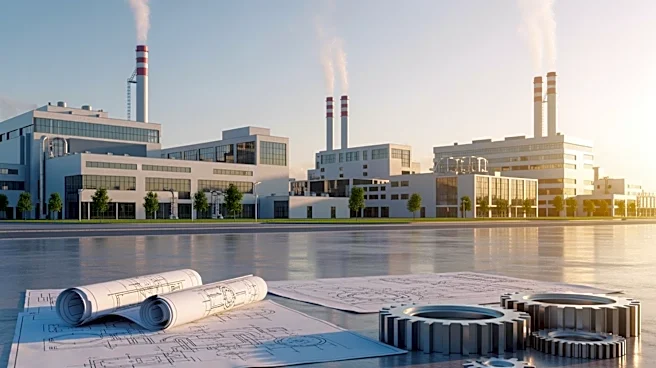
Egypt has inaugurated the first phase of the El-Gharably Industrial Complex in New Borg El-Arab City, Alexandria. This significant industrial facility is designed to enhance the country's engineering capabilities. The complex spans 315,000 square meters
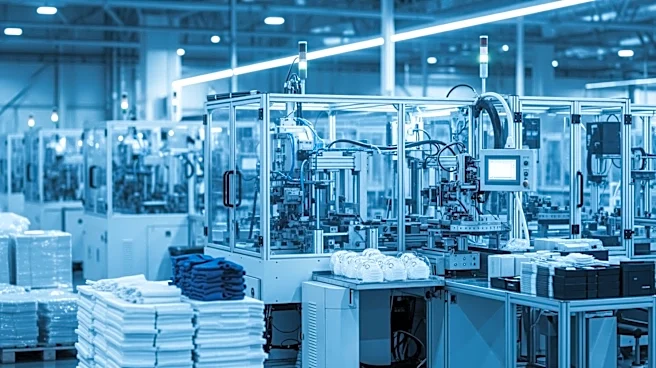
and has an annual production capacity exceeding 100,000 tonnes. It currently employs around 3,000 workers, with plans to increase this number to 5,000. The facility includes a steel structures factory, extensive maintenance workshops, and a plant for industrial and medical gases. The complex is managed by Moataz El-Gharably and aims to partner in railway wagon manufacturing, agricultural machinery, and pipe production. The project also involves a joint venture with Poland's Tabor to establish a railway wagon factory, with an investment of 25 to 40 million euros, expected to produce 300 wagons annually and create 500 new jobs.
Why It's Important?
The inauguration of the El-Gharably Industrial Complex is a strategic move to bolster Egypt's industrial sector, which is crucial for sustainable economic growth. By increasing production capacity and creating jobs, the complex is expected to drive exports and enhance competitiveness. The facility's focus on international standards for quality and safety positions it well for global markets, potentially increasing Egypt's export revenues. The project also aligns with national initiatives like the West Arc Axis and the 'Decent Life' program, indicating its role in broader economic development plans. The partnership with Poland's Tabor highlights Egypt's commitment to international collaboration, which could attract further foreign investment.
What's Next?
The next phase of the El-Gharably Industrial Complex involves expanding its international collaborations, particularly in the railway sector. The joint venture with Tabor is set to establish a railway wagon factory, which will not only boost local manufacturing but also enhance Egypt's export capabilities. As the complex continues to develop, it is likely to attract more foreign partnerships, further integrating Egypt into the global industrial market. The increase in employment and production capacity will also contribute to the country's economic stability and growth.