

What's Happening?
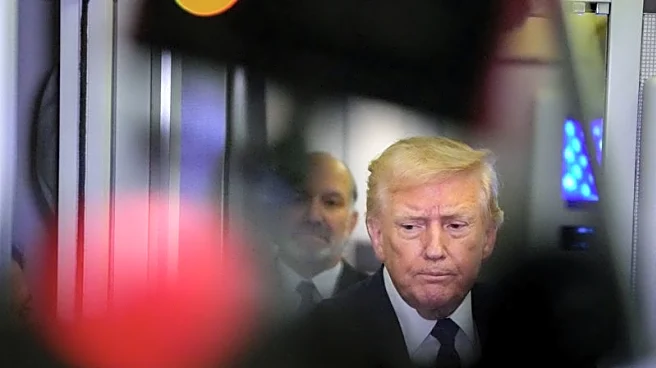
In December 2025, President Donald Trump filed a $10 billion lawsuit against the BBC, marking the latest in a series of high-profile legal actions against major media organizations such as ABC, CBS, The New York Times, and The Wall Street Journal. These
lawsuits are perceived by some media scholars as strategic tools to silence critics rather than legitimate legal claims. Despite winning some settlements, Trump's primary aim appears to be intimidating media outlets and discouraging public criticism. His legal actions have raised concerns about the potential misuse of the judicial system to suppress free speech and press freedom. The lawsuits often result in significant legal costs for the media, which can deter smaller outlets from pursuing critical stories.
Why It's Important?
The implications of President Trump's lawsuits are significant for the U.S. media landscape. By targeting major media organizations, Trump is challenging the traditional role of the press as a watchdog of government actions. The financial burden of defending against such lawsuits can be substantial, especially for smaller media outlets, potentially leading to self-censorship and a reduction in investigative journalism. This trend poses a threat to the First Amendment rights and the public's access to information. The use of strategic lawsuits against public participation (SLAPP) laws in some states offers a legal mechanism to counteract these lawsuits, but the effectiveness of these laws in protecting press freedom remains a critical issue.
What's Next?
As President Trump continues to pursue legal actions against media organizations, the media industry and legal experts are closely watching the outcomes of these cases. The introduction of anti-SLAPP laws in various states provides a potential defense for media outlets, allowing for early dismissal of meritless lawsuits and recovery of legal costs. However, the broader impact on press freedom and the willingness of media organizations to challenge powerful figures remains uncertain. The ongoing legal battles may prompt further discussions on the need for stronger protections for journalists and media outlets against strategic litigation.