




What's Happening?
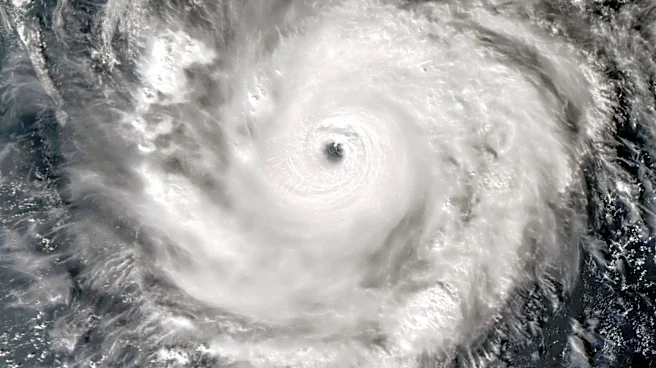
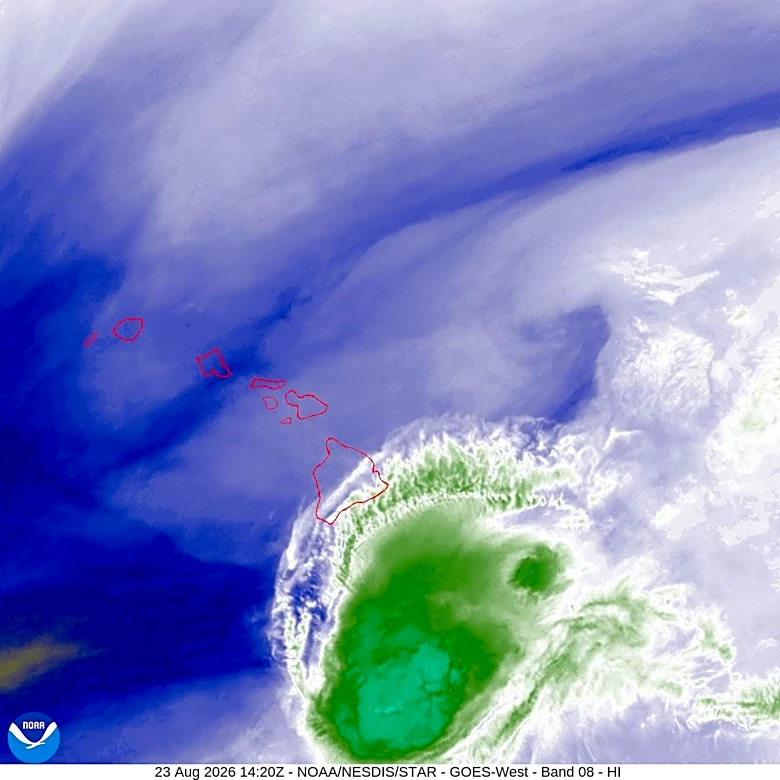
Hawaii Governor Josh Green has issued a call for residents to prepare for Tropical Storm Moke, which is expected to bring significant rainfall and strong winds to the state. The storm is particularly concerning for areas on the Big Island that are still
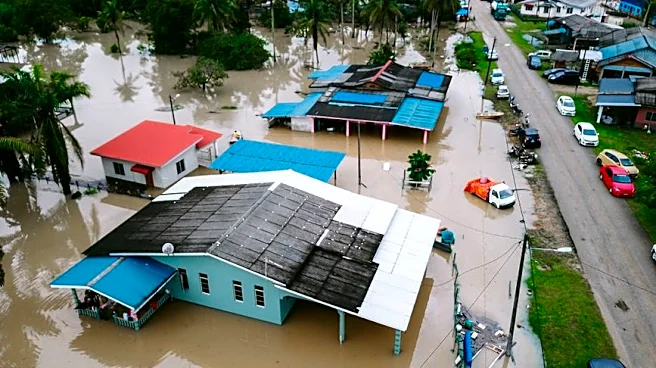
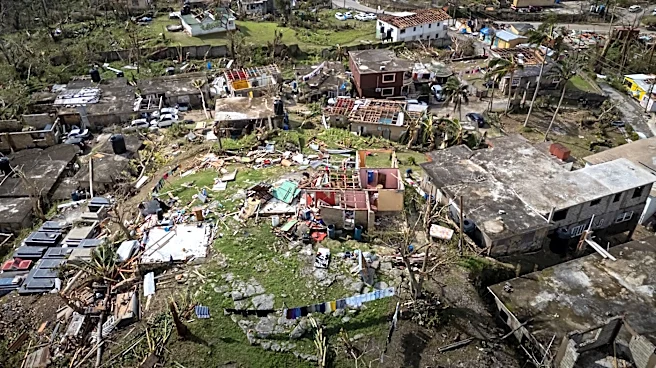
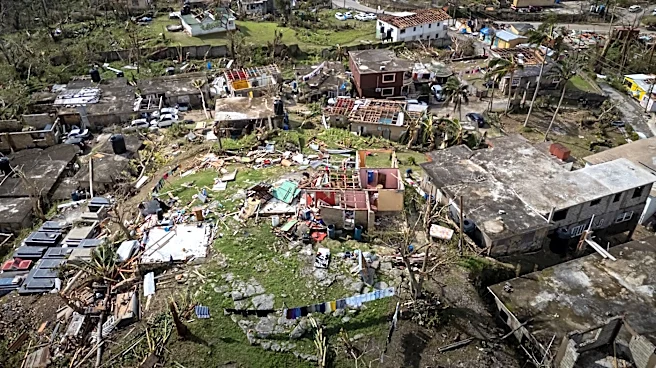
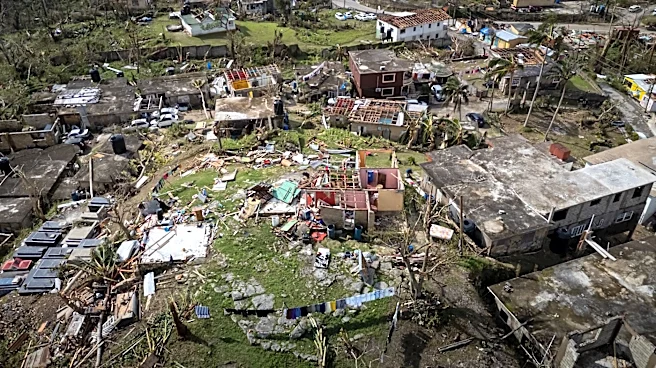
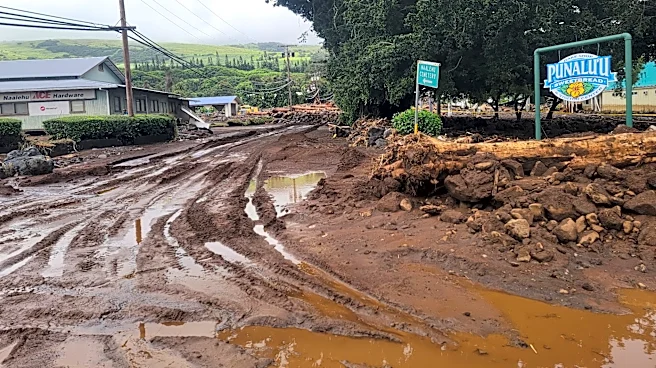
recovering from the recent impact of Hurricane Lala. Governor Green highlighted that Hurricane Lala caused at least $43 million in infrastructure damage and an additional $4.6 million in home damage on the Big Island. Rainfall predictions for the southeast and windward sides of the Big Island range from 5 to 10 inches, with isolated areas potentially receiving up to 15 inches. Other parts of the island chain are expected to see 1 to 2 inches of rain, with East Maui possibly getting up to 4 inches. The National Weather Service (NWS) has warned of potential life-threatening flooding, dangerous rip currents, and mudslides, especially in areas with saturated ground. Governor Green emphasized the need for residents to restock essentials like food and medicine and has authorized 100 hotel rooms for those who may need to evacuate.
Why It's Important?
The impending arrival of Tropical Storm Moke poses a significant threat to Hawaii, particularly as it follows closely on the heels of Hurricane Lala. The cumulative impact of these storms could exacerbate existing damage, strain emergency services, and prolong recovery efforts. The potential for widespread flooding and mudslides could disrupt transportation, essential services, and daily life for residents. Economically, the state faces further infrastructure damage and increased costs for disaster relief and rebuilding. For individuals, the risk of property damage, displacement, and personal injury is elevated. The repeated severe weather events underscore the vulnerability of island communities to climate-related hazards and highlight the critical importance of robust disaster preparedness and resilient infrastructure. The state's proactive measures, such as securing hotel rooms for evacuees, are crucial for mitigating immediate risks and protecting public safety.
What's Next?
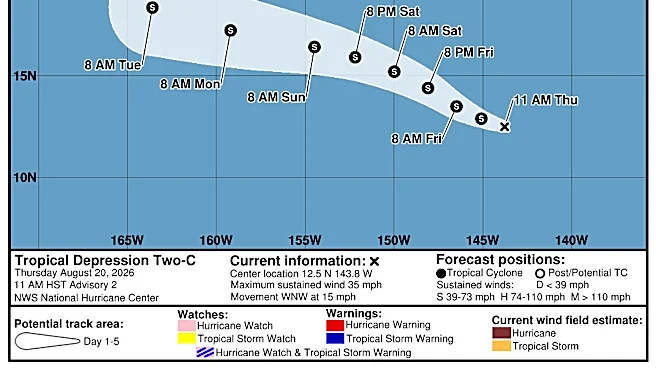
As Tropical Storm Moke continues its approach, residents are urged to closely monitor its progress and adhere to guidance from state and local officials. The storm is expected to pass south of a direct hit late Saturday into early Sunday, continuing its westward path near the islands through early Tuesday. State and federal officials will remain in constant communication to coordinate recovery efforts and secure additional resources. The immediate focus will be on managing the impacts of heavy rainfall, potential flooding, and mudslides, especially in the already vulnerable areas of the Big Island. Following the storm's passage, a comprehensive assessment of new damages will be necessary to determine the full extent of the impact and to plan for long-term recovery and rebuilding initiatives. The state will likely continue to seek federal assistance to support these efforts, given the significant costs incurred from both Hurricane Lala and Tropical Storm Moke.
Beyond the Headlines
The back-to-back tropical storms in Hawaii highlight a broader trend of increasing frequency and intensity of extreme weather events, which could have long-term implications for the state's infrastructure, economy, and population. Beyond the immediate physical damage, these events can lead to significant psychological stress for affected communities, particularly those facing repeated displacement or loss. The need for resilient infrastructure that can withstand such events will become even more critical, potentially driving innovation in construction and urban planning. Furthermore, the economic impact extends beyond direct damage, affecting tourism, agriculture, and local businesses, which are vital to Hawaii's economy. The ongoing recovery efforts will also test the effectiveness of disaster response systems and inter-agency coordination, potentially leading to reforms and improvements in emergency management strategies for future climate challenges.