




What's Happening?
The United States has officially lost its measles elimination status, a designation it held for over 25 years since 2000. This decision, confirmed by researchers with knowledge of the Pan American Health Organization (PAHO), comes as the U.S. has recorded
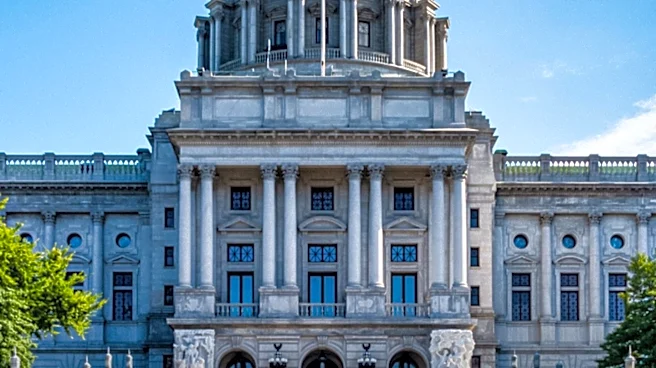
over 5,400 measles cases so far in 2026, more than double the previous year's total. PAHO, a regional office of the World Health Organization, defines measles elimination as having no locally transmitted infections or outbreaks lasting 12 months or longer. The Centers for Disease Control and Prevention (CDC) data indicates that approximately one-third of this year's cases are linked to outbreaks that began in 2025 and are still spreading. In 2025, the nation saw 2,242 cases, leading to 245 hospitalizations and three deaths. This year, cases have been confirmed in 45 states and Washington, D.C., resulting in over 590 hospitalizations and at least six measles-related deaths, with Pennsylvania reporting the largest outbreak with over 1,500 cases and seven deaths.
Why It's Important?
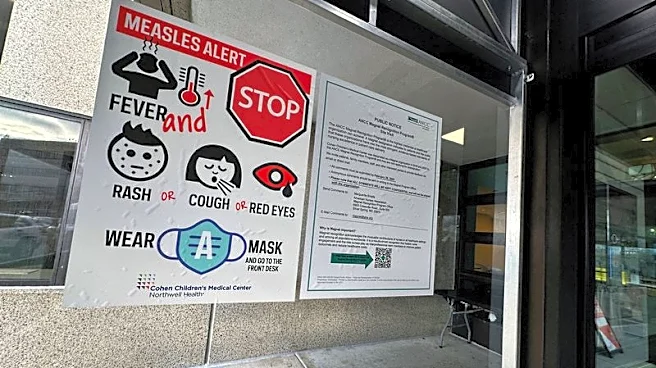
The loss of measles elimination status signifies a significant setback for U.S. public health infrastructure and indicates a decline in population immunity. According to Dr. Céline Gounder, CBS News medical correspondent, this means the U.S. is now at risk of sustained measles transmission, requiring emergency rooms and pediatricians to consider measles in any patient with a fever and rash, regardless of travel history. Dr. Omer Awan, an epidemiologist and public health contributor, emphasized the frustration of this situation, as effective tools like the MMR vaccine (97% effective) are available but underutilized. The decline in childhood vaccination rates in many communities below the threshold needed for herd immunity is a primary driver. This situation disproportionately affects vulnerable populations, such as infants, pregnant women, and immunocompromised individuals, who cannot be vaccinated and rely on community immunity for protection, making them susceptible to severe complications like pneumonia or encephalitis.
What's Next?
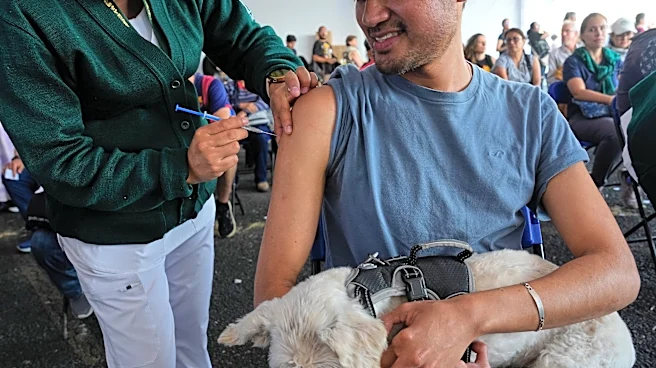
To regain measles elimination status, the U.S. must return to higher vaccination rates, specifically maintaining a rate of 95% or higher, as recommended by PAHO. This effort will require battling misinformation and ramping up vaccination campaigns. States play a crucial role, as they set school vaccine rules; some states made it easier to opt out of vaccination in 2025, while others that ended nonmedical exemptions saw kindergarten vaccination rates rise. Lawmakers, many of whom reconvene in January, will be instrumental in shaping next year's exemption rules. Additionally, the U.S. needs to strengthen its surveillance systems for rapid case detection, enhance laboratory capacity, and ensure a swift response to outbreaks. Without these measures, the country risks becoming an exporter of measles to other nations, further complicating global public health efforts.
Beyond the Headlines
The resurgence of measles in the U.S. highlights broader societal challenges, including the impact of vaccine hesitancy and misinformation on public health. The decline in vaccination rates reflects a growing distrust in established medical science and public health institutions, fueled by various factors including social media narratives. This situation also underscores the ethical dilemma between individual liberty and collective public health responsibility. The long-term implications could include increased healthcare burdens, as measles cases often require hospitalization and can lead to severe, lifelong complications. Furthermore, the loss of elimination status could erode the U.S.'s standing as a leader in global health security, potentially impacting international collaborations on disease prevention and control. The need for robust public health communication strategies and policies that support evidence-based vaccination practices is more critical than ever to prevent further erosion of community immunity.