





What's Happening?
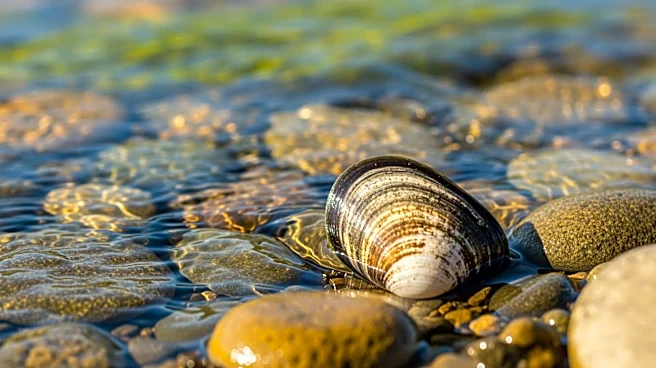
The Idaho State Department of Agriculture (ISDA) is ramping up its efforts to eradicate the invasive quagga mussel from the Snake River as water temperatures rise. The department has been monitoring the situation throughout the colder months and will
increase its activities as the boating season begins. Last year's efforts resulted in a 50% reduction in the affected area. ISDA Director Chanel Tewalt emphasized the importance of continued eradication efforts to prevent widespread impact on the river system.
Why It's Important?
The presence of quagga mussels poses a significant threat to the Snake River ecosystem and local water infrastructure. If not controlled, the invasive species could lead to costly treatments for irrigation and water users. The ISDA's proactive measures are crucial in protecting the river's health and preventing economic repercussions for the region. The situation highlights the broader issue of invasive species management and the need for coordinated efforts to protect natural resources.
What's Next?
The ISDA will continue its monitoring and treatment efforts, with the possibility of extending the eradication program into a fourth year if necessary. Public awareness campaigns will likely be intensified to encourage proper cleaning and maintenance of watercraft to prevent the spread of the mussels. The department may also collaborate with local stakeholders to enhance prevention and response strategies.
Beyond the Headlines
The quagga mussel issue underscores the challenges of managing invasive species in interconnected water systems. It raises questions about the long-term sustainability of current eradication methods and the need for innovative solutions. The situation also highlights the importance of public engagement and education in environmental conservation efforts.