

What's Happening?
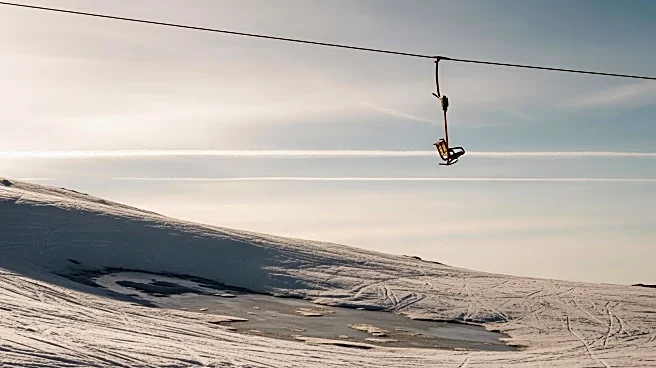
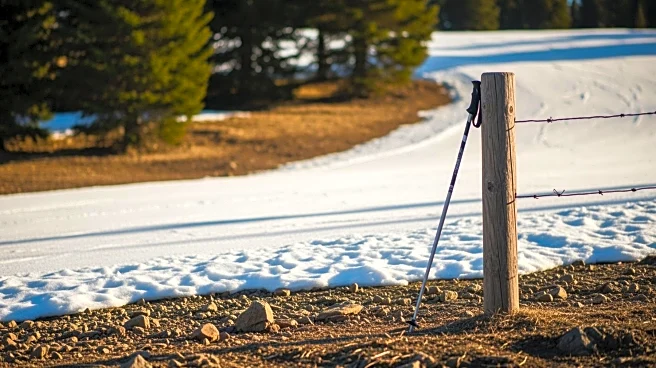
Ski resorts in the Sierra Nevada are experiencing early closures as a result of unusually warm weather in March. The rapid melting of snow has forced several resorts to shorten their seasons and reduce operations. This unexpected weather pattern has disrupted
the typical ski season, which usually extends further into the spring. The warm temperatures have accelerated snowmelt, impacting the availability of skiable terrain and leading to operational challenges for the resorts.
Why It's Important?
The early closure of ski resorts in the Sierra Nevada has significant economic implications for the region. Ski resorts are a major source of revenue and employment, attracting tourists and supporting local businesses. The shortened season could lead to financial losses for the resorts and affect the livelihoods of those who depend on the winter sports industry. Additionally, this situation highlights the broader impact of climate variability on winter sports and tourism, raising concerns about the future sustainability of ski resorts in the face of changing weather patterns.
What's Next?
Resorts may need to explore adaptive strategies to cope with unpredictable weather patterns, such as investing in snowmaking technology or diversifying their offerings to include non-snow-related activities. Stakeholders, including local governments and businesses, might also consider collaborative efforts to mitigate the economic impact and plan for future climate-related challenges. The situation could prompt discussions on long-term strategies to ensure the viability of the winter sports industry in the region.