





What's Happening?
The Chicago Tribune has published an investigative report detailing the severe and escalating plastic pollution in the Great Lakes, a vital source of drinking water for over 40 million people in the U.S. and Canada. The report highlights that treated
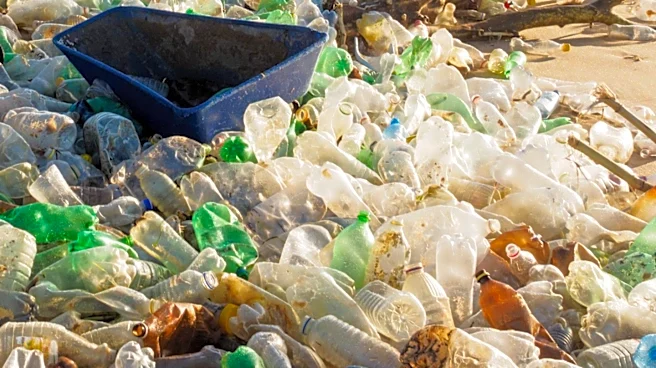
lake water is contaminated with microplastics—tiny plastic bits linked to toxic chemicals that can cause cancer and other diseases. Fish, a dietary staple for many communities, are also contaminated. Despite these dangers, plastic pollution remains unregulated, and manufacturers are planning to significantly increase plastic production in the U.S. The Tribune's review of government, scientific, and internal industry documents reveals that industry executives have historically blamed consumers for the pollution, employing tactics similar to those used by the tobacco industry. Scientists are particularly concerned about microplastics' potential to trigger heart and brain diseases, impaired fertility, premature births, certain cancers, and developmental problems in children. Illinois has become the first state in either the Great Lakes or Mississippi River watersheds to mandate that polluters report spills of industrial plastic pellets, known as nurdles, and develop plans to limit their presence in storm runoff.
Why It's Important?
This investigation is critically important for the U.S. due to the profound environmental and public health implications. The Great Lakes represent the world's largest source of fresh surface water, making their contamination a direct threat to the drinking water supply for millions. The presence of microplastics and associated toxic chemicals in water and food sources raises serious health concerns, potentially leading to a range of chronic diseases and developmental issues. The lack of regulation and the planned increase in plastic production exacerbate this crisis, indicating a systemic failure to address a growing environmental hazard. The industry's historical deflection of responsibility onto consumers, as highlighted by the Tribune, underscores a significant ethical and corporate accountability issue. Illinois's new mandate on nurdle spills is a crucial step, setting a precedent for other states to recognize and regulate plastic waste as a pollutant, which could influence national policy and industry practices.
What's Next?
The Chicago Tribune's ongoing coverage, supported by the Pulitzer Center’s StoryReach U.S. initiative, will continue to delve into the spread of plastic waste, research into health hazards, and potential solutions. This sustained journalistic focus is likely to increase public awareness and pressure on policymakers and industry stakeholders. Following Illinois's lead, other Great Lakes states and those within the Mississippi River watershed may consider similar regulations for industrial plastic pellets. There will likely be increased advocacy from environmental groups and public health organizations for stronger federal regulations on plastic production, waste management, and microplastic filtration in water treatment. Scientific research into the long-term health effects of microplastics will continue to expand, providing more data to inform policy decisions. The industry may face growing demands for more sustainable packaging alternatives and improved recycling infrastructure, moving beyond current, often ineffective, recycling practices.
Beyond the Headlines
The plastic pollution crisis in the Great Lakes reflects a broader global challenge of managing synthetic materials in an environmentally responsible manner. The comparison to the tobacco industry's tactics highlights a pattern of corporate behavior that prioritizes profit over public health and environmental stewardship, raising questions about corporate social responsibility and regulatory oversight. This issue has significant cultural and economic dimensions, impacting recreational activities, tourism, and the livelihoods of communities dependent on the Great Lakes. It also underscores environmental justice concerns, as marginalized communities often bear a disproportionate burden of pollution. The long-term implications include potential shifts in consumer behavior towards plastic-free alternatives, increased investment in biodegradable materials, and a fundamental re-evaluation of the 'take-make-dispose' economic model in favor of a circular economy. This crisis demands a multi-faceted approach involving policy, industry innovation, scientific research, and public engagement to safeguard vital freshwater resources.