



What's Happening?
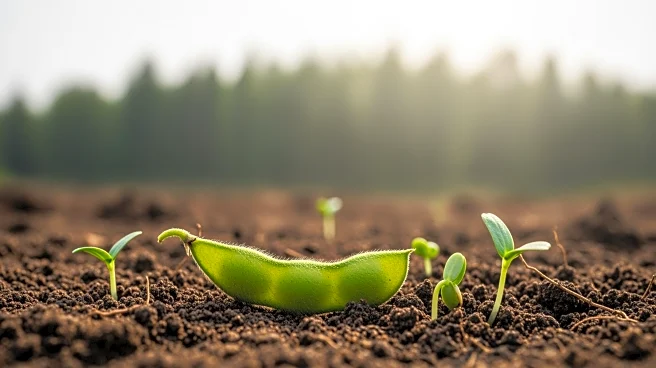
The European Union (EU) has announced plans to phase out the use of soy biofuels, following new research by the EU Commission that highlights their significant contribution to deforestation and CO2 emissions. This decision is part of a broader effort
to address the environmental impact of biofuels linked to indirect land-use change (ILUC). The EU has previously targeted palm biofuels for phase-out by 2030, and soy biofuels are now set to follow the same path. The Renewable Energy Directive (RED), adopted in 2009, initially promoted biofuels across the EU, but recent findings have prompted a reevaluation of their environmental impact. The phase-out aims to prevent American, Argentinian, and Brazilian soy from being used in European fuel tanks, especially in light of the EU's recent Mercosur trade deal.
Why It's Important?
The EU's decision to phase out soy biofuels is significant as it addresses the environmental concerns associated with biofuel production, particularly deforestation and biodiversity loss. This move could influence global biofuel markets and trade, as the EU is a major consumer of biofuels. By removing soy from its renewable energy targets, the EU is setting a precedent for other regions to reconsider the environmental impact of their biofuel policies. The decision also highlights the ongoing challenge of balancing renewable energy goals with environmental sustainability. As the demand for biofuels continues to grow, the EU's actions may prompt other countries to explore alternative, more sustainable feedstocks.
What's Next?
The phase-out of soy biofuels is expected to intensify the search for alternative feedstocks that meet renewable energy targets without causing significant environmental harm. The EU will likely continue to evaluate other biofuel sources, such as sugarcane, which remains just below the threshold for high ILUC impact. This ongoing assessment may lead to further policy adjustments and trade negotiations, particularly with countries heavily involved in biofuel production. Additionally, the EU's decision could spark discussions on the global stage about the sustainability of biofuels and the need for more comprehensive environmental assessments in energy policy.