


What's Happening?
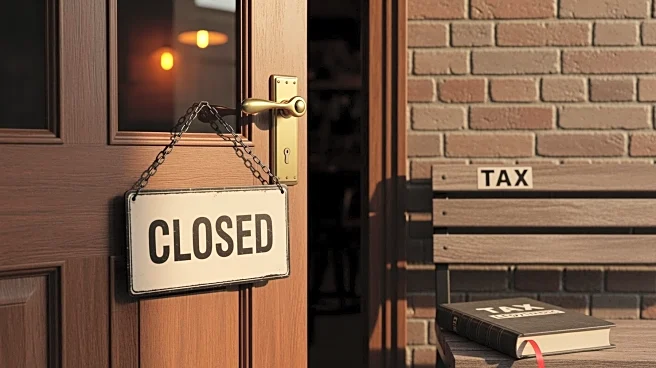
A growing number of pubs, restaurants, and hotels in the UK have initiated a campaign to bar Labour MPs from their premises in protest against current tax rates. This movement, which began a week ago, has seen over 250 establishments join, including the Old
Thatch in Dorset. The protest is a response to what the hospitality industry perceives as excessive taxation, which they argue is driving businesses to the brink of closure. Despite the government's announcement of a £4.3 billion support package for the hospitality sector, industry representatives like Andy Lennox claim that the measures are insufficient. They argue that the government's tax policies disproportionately affect small businesses while larger corporations like Amazon face less scrutiny. The campaign has sparked debate, with some MPs expressing concern over the divisive nature of the protest.
Why It's Important?
The protest highlights significant tensions between the UK government and the hospitality industry, a vital part of the economy. The industry's dissatisfaction stems from the belief that current tax policies are unsustainable and threaten the survival of small businesses. The government's support package, while substantial, is seen as inadequate by industry leaders who argue that a reduction in VAT would stimulate growth and ultimately increase tax revenue. This situation underscores the broader challenges faced by the hospitality sector, which is still recovering from the impacts of the COVID-19 pandemic. The protest also raises questions about the role of political expression in business settings and the potential for such actions to influence public policy.
What's Next?
The ongoing protest could lead to further discussions between the government and the hospitality industry regarding tax policies. If the campaign gains more traction, it may pressure the government to reconsider its stance on VAT and business rates. Additionally, the protest could inspire similar actions in other sectors facing similar challenges. The response from Labour MPs and their engagement with the affected businesses will be crucial in determining the next steps. The situation also presents an opportunity for political leaders to address the concerns of small business owners and explore more equitable tax solutions.
Beyond the Headlines
The protest against Labour MPs by the hospitality industry reflects deeper issues of economic inequality and the challenges of balancing fiscal policy with business sustainability. It highlights the need for a more nuanced approach to taxation that considers the unique circumstances of different sectors. The situation also raises ethical questions about the use of business spaces for political protest and the potential impact on community relations. As the debate continues, it may prompt a broader discussion about the role of government in supporting small businesses and the importance of creating a fair and competitive economic environment.