









What's Happening?
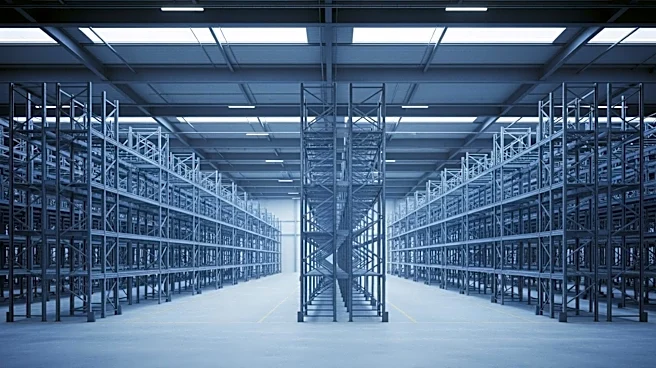
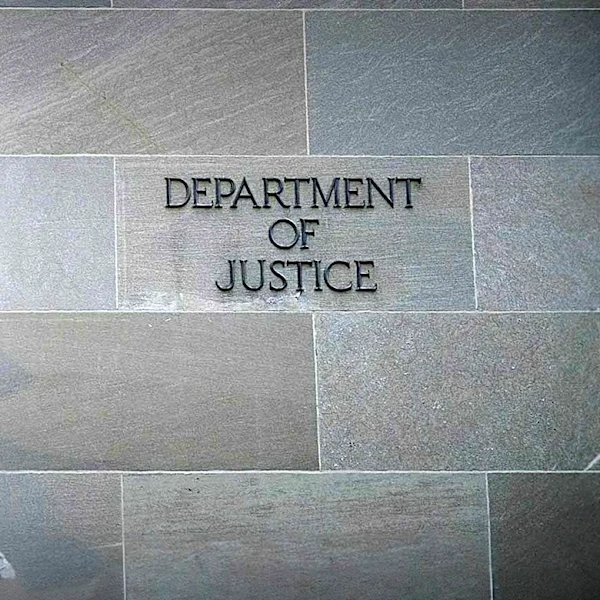
Local leaders across several U.S. states are calling for a halt on the development of Immigration and Customs Enforcement (ICE) detention centers, similar to the temporary moratorium on new data centers. This demand follows the Department of Homeland
Security's (DHS) decision to sell or transfer seven industrial warehouses initially acquired for expanding detention capacity. The move affects sites in Michigan, Georgia, Pennsylvania, Utah, and New Jersey, where local officials and residents have raised concerns about infrastructure strain and lack of consultation. Despite this, ICE plans to continue with four other projects in Texas, Arizona, and Maryland. The debate is particularly heated in Washington County, Maryland, where a proposed ICE facility near Hagerstown is facing legal challenges. Local activists argue that the same environmental and infrastructure concerns applied to data centers should also apply to federal detention projects.
Why It's Important?
The controversy over ICE detention centers highlights broader issues of federal versus local control and the impact of large-scale projects on community resources. The decision to halt some projects reflects growing local resistance to federal initiatives perceived as lacking transparency and community input. This situation underscores the tension between national immigration policies and local governance, with potential implications for how future federal projects are managed. Communities stand to gain from increased local control and environmental protections, while federal agencies may face challenges in implementing nationwide strategies without local support. The outcome of these debates could influence future policy decisions and set precedents for how similar projects are handled.
What's Next?
As ICE continues with some of its planned projects, local governments and activists are likely to pursue further legal and political actions to halt or modify these developments. The ongoing legal battles, such as those in Maryland and Utah, may set important precedents for how federal projects are challenged at the state and local levels. Additionally, the outcome of these disputes could influence future federal strategies regarding detention facilities and other large-scale infrastructure projects. Stakeholders, including local governments, environmental groups, and community organizations, will likely continue to advocate for greater transparency and community involvement in decision-making processes.