



What's Happening?
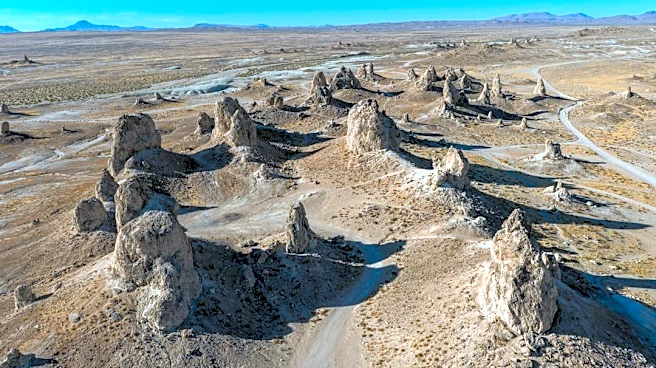
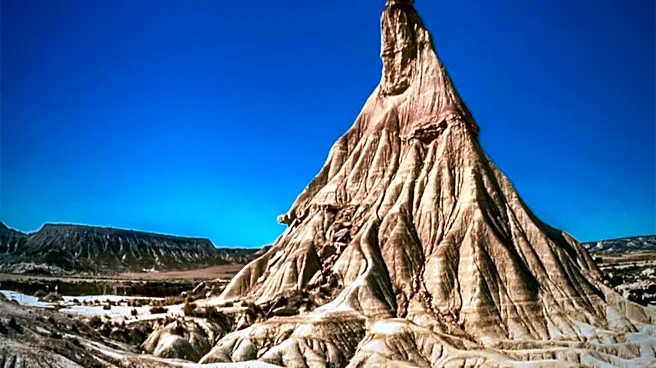
A prominent rock formation in northwest New Mexico, known as the 'Alien Throne,' has collapsed into pieces following torrential rainstorms linked to the super El Niño season. Kialo Winters, who leads tours for Navajo Tours USA, discovered the destruction
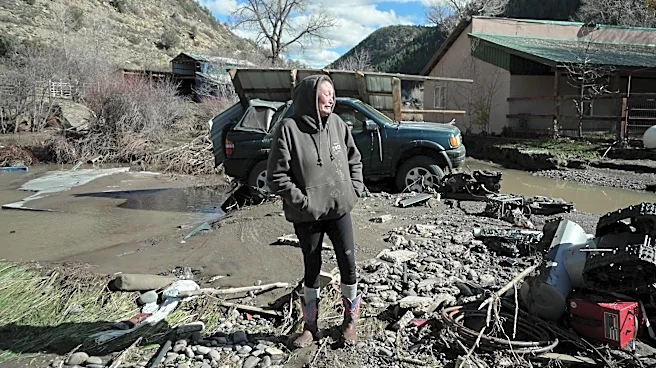
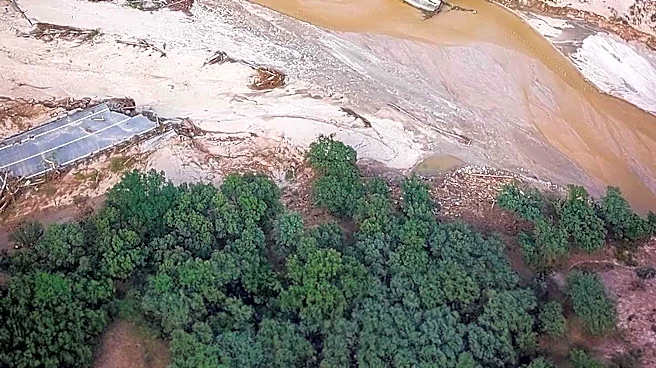
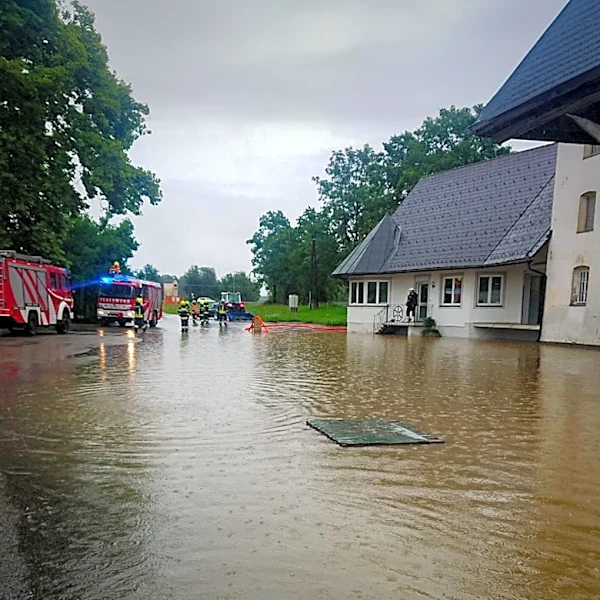
on October 30 while guiding a tour in the Valley of Dreams trail near the Ah-Shi-Sle-Pah Wilderness. The majestic formation, a significant feature on local tourism websites, was found shattered. Winters attributes the collapse to the heavy rains and flooding that severely impacted northwest New Mexico a week prior, leading to evacuations and numerous water rescues in nearby Farmington. Another formation, the 'King of Wings,' also sustained damage in recent weeks. These rock spires hold deep cultural significance for the region's Indigenous residents, serving as traditional waypoints for generations. While Winters believes natural causes are responsible, the Navajo Nation and the Bureau of Land Management are expected to investigate the site to confirm the exact cause of the collapse.
Why It's Important?
The destruction of the 'Alien Throne' and damage to the 'King of Wings' represent a significant loss for both the natural landscape and the cultural heritage of the Navajo Nation. These formations are not only popular attractions for tourists and photographers but also hold historical and spiritual value as traditional waypoints for Indigenous communities. The incident highlights the tangible impact of extreme weather events, such as those associated with El Niño, on natural landmarks. It underscores the vulnerability of geological formations to environmental forces and raises concerns about the potential for further damage to other rock spires across the Four Corners region, which includes Utah, Colorado, Arizona, and New Mexico. The event also brings attention to the broader issue of climate-related impacts on natural wonders, as evidenced by the earlier collapse of Hawaii’s Hōlei sea arch in October.
What's Next?
The Navajo Nation and the Bureau of Land Management are anticipated to conduct an investigation into the collapse of the 'Alien Throne' to officially determine the cause. This assessment will be crucial for understanding the specific geological and meteorological factors involved. Local communities and tour operators, like Kialo Winters, are urging visitors to respect the damaged sites by refraining from climbing the remaining formations or taking relics, emphasizing that such actions are illegal and disrespectful. There will likely be ongoing monitoring of other rock formations in the Four Corners region to assess any additional damage from the recent heavy rains and flooding. The incident may also prompt discussions among land management agencies and Indigenous communities about strategies for preserving and protecting vulnerable natural landmarks in the face of increasingly severe weather patterns.
Beyond the Headlines
The collapse of the 'Alien Throne' extends beyond a mere geological event, touching upon themes of environmental change, cultural preservation, and the transient nature of natural beauty. For the Navajo people, these formations are more than just rocks; they are living parts of the land, embodying ancestral stories and guidance. The understanding that 'the land is alive, and it changes' reflects a profound Indigenous perspective on the cyclical processes of creation and destruction. This event serves as a stark reminder of the delicate balance between natural forces and the human desire to preserve iconic landscapes. It also prompts reflection on the ethical responsibilities of tourism in sensitive natural and cultural areas, particularly in the aftermath of such damage. The loss of these formations underscores the broader implications of climate change on natural heritage, urging a deeper consideration of how societies value, protect, and adapt to the evolving natural world.