





What's Happening?
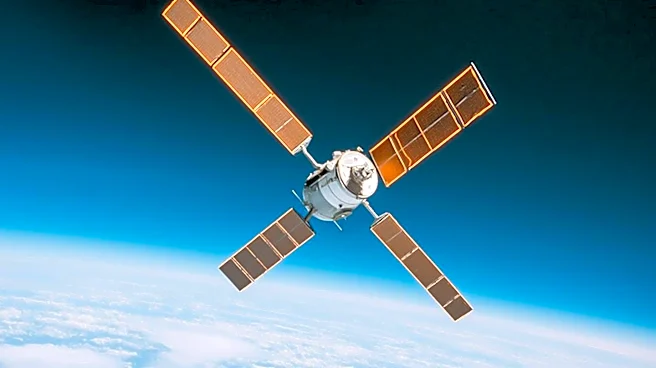
The U.S. Space Force, through its Space Systems Command (SSC), has scheduled two commercial satellite servicing demonstration missions for 2027. These missions aim to evaluate commercial refueling and maneuvering services for high-value defense payloads
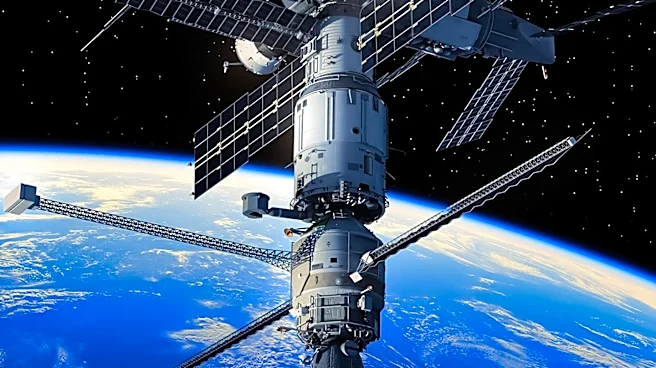
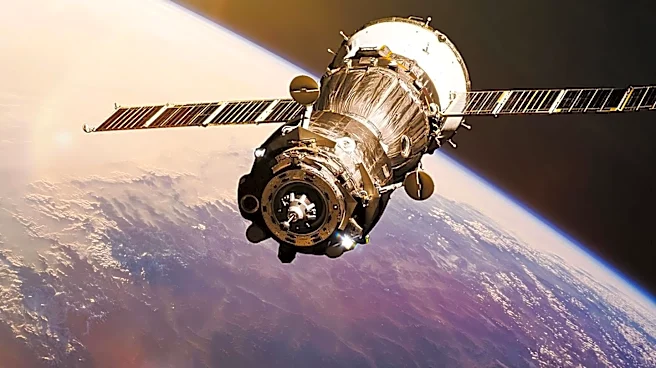
in both geosynchronous Earth orbit (GEO) and low Earth orbit (LEO). Colonel Scott Carstetter, director of servicing, mobility, and logistics at Space Systems Command, stated that these missions will help determine how the military procures on-orbit services. Historically, military satellites in GEO were designed as single-use assets with finite propellant, limiting their operational lifespan. The SSC's Space Mobility and Logistics (SML) portfolio is shifting towards dynamic space operations, enabling orbiting assets to be maneuvered, refueled, or repositioned without exhausting their operational lives. The dual demonstration program seeks to establish operational baselines for commercial service procurement, assess the necessary infrastructure for routine in-space logistics, and define economic thresholds where satellite life extension or refueling is more cost-effective than launching replacements. The missions will involve Astroscale U.S. for high-altitude propellant transfer in GEO and Starfish Space for mechanical tug capabilities and orbital relocation.
Why It's Important?
This initiative marks a significant shift in the Department of Defense's approach to space domain awareness, mobility, and logistics. By moving away from single-use satellite models, the U.S. Space Force aims to enhance the resilience and longevity of its critical defense constellations. The ability to refuel and reposition satellites in orbit could drastically extend their operational lives, reducing the frequency and cost of launching new replacement satellites. This strategy also allows for more dynamic space operations, enabling military satellites to avoid threats or adjust their positions for strategic advantages. Partnering with commercial entities like Astroscale U.S. and Starfish Space fosters innovation in the private sector and integrates commercial capabilities into national security infrastructure. This could lead to a more robust and flexible space architecture for the U.S., ensuring continuous and adaptable support for military operations and intelligence gathering. The data collected from these missions will be crucial in shaping future Space Force acquisition frameworks for permanent in-space servicing, assembly, and manufacturing (ISAM) capabilities.
What's Next?
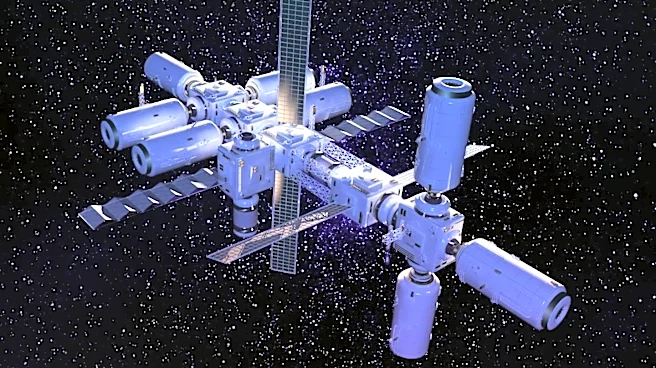
Leading up to the 2027 missions, Space Systems Command will continue joint integration campaigns with Astroscale U.S. and Starfish Space through late 2026. These campaigns will focus on qualifying launch manifests, finalizing rendezvous flight software, and completing safety reviews for the target spacecraft. The operational data gathered during the 2027 flights will be instrumental in informing future Space Force acquisition frameworks for permanent in-space servicing, assembly, and manufacturing (ISAM) capabilities across upcoming defense constellations. The success of these demonstrations could lead to broader adoption of commercial on-orbit servicing, potentially establishing a new paradigm for military space operations. This will involve determining the required infrastructure to support routine servicing and establishing clear operational conditions where life extension or refueling offers greater financial and military benefits compared to launching new satellites. The outcomes will influence long-term procurement strategies and the development of a more sustainable and adaptable space presence for the U.S. military.
Beyond the Headlines
The shift towards on-orbit servicing has profound implications beyond immediate cost savings and operational flexibility. Ethically, it raises questions about the long-term sustainability of space, as extending satellite lifespans could contribute to orbital debris if not managed carefully. Legally, establishing standardized interfaces for fluid transfer and mechanical docking across defense constellations could set precedents for international cooperation and regulation in space, particularly concerning the servicing of national security assets. Culturally, this move signifies a growing reliance on commercial space capabilities for critical national defense functions, blurring the lines between public and private sector roles in space. This could foster a more integrated space ecosystem where government and commercial entities collaborate closely. The development of permanent in-space servicing, assembly, and manufacturing (ISAM) capabilities could also trigger a long-term shift towards a more self-sufficient space economy, reducing dependence on Earth-based manufacturing and launch infrastructure for maintaining orbital assets.