



What's Happening?
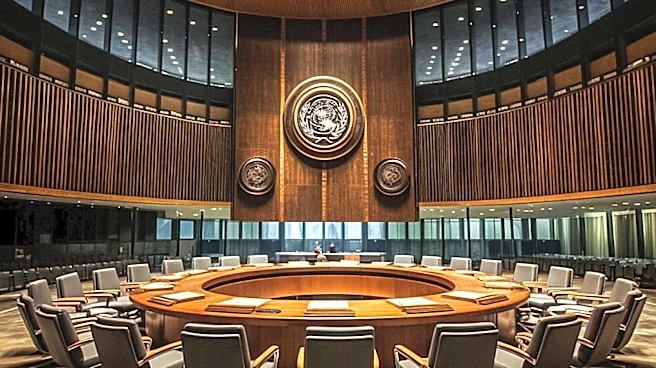
The United Nations Mission for the Referendum in Western Sahara (MINURSO) has concluded its 35-year peacekeeping operations as of November 1, following the UN Security Council's failure to renew its mandate. This cessation occurred after a diplomatic
impasse between the United States and Russia. The U.S. vetoed a Russian draft resolution that sought to extend MINURSO's mandate until October 2027, while Russia, in turn, vetoed a U.S.-backed draft resolution. The U.S. proposal reportedly favored Morocco's autonomy plan for the territory and aimed to rename the mission. MINURSO was established in 1991 to monitor a ceasefire between Morocco and the pro-independence Polisario Front and to organize a referendum on self-determination for the people of Western Sahara. The referendum, which would have allowed residents to choose between independence and integration with Morocco, never took place due to disagreements over voter eligibility. Morocco, which claims sovereignty over Western Sahara, has welcomed the mission's end, while the Polisario Front continues to seek an independent state.
Why It's Important?
The termination of MINURSO raises significant concerns about regional stability in North Africa and the Sahel. The mission's presence for over three decades had contributed to maintaining a fragile ceasefire, despite a resumption of hostilities by the Polisario Front in 2020. Without an international monitoring presence, there is an increased risk of escalating conflict between Morocco and the Polisario Front. Morocco has reportedly begun deploying additional forces to Western Sahara, potentially seeking to consolidate its control over the territory. This could provoke a protracted guerrilla conflict with the Polisario Front, which is backed by Algeria. A wider conflict could destabilize an already volatile region, impacting migration patterns, energy security, and broader geopolitical interests, particularly for European nations that have significant ties to the region. The diplomatic failure at the UN Security Council underscores the challenges of international consensus on long-standing territorial disputes.
What's Next?
With MINURSO's mandate concluded, the immediate future of Western Sahara is uncertain. Morocco may intensify efforts to assert full control over the territory, potentially leading to increased military confrontations with the Polisario Front. The Polisario Front is expected to continue its pursuit of independence, possibly through renewed armed struggle and diplomatic advocacy. The UN Secretary-General's Personal Envoy, Staffan de Mistura, will continue efforts towards a peaceful resolution, but without the peacekeeping mission on the ground, his role may become more challenging. International actors, particularly European nations, are urged to engage diplomatically to prevent escalation. They may leverage their economic and political influence with Morocco to encourage restraint and to revive negotiations. The situation could also draw in Algeria, a key supporter of the Polisario Front, further complicating regional dynamics.
Beyond the Headlines
The end of MINURSO highlights the broader implications of geopolitical rivalries on international peacekeeping efforts. The U.S.-Russia standoff at the Security Council prevented a resolution, demonstrating how great power competition can undermine mechanisms designed to maintain peace and stability in disputed territories. This development could set a precedent for other long-standing UN missions, signaling a potential shift in how such conflicts are managed or left unmanaged. Furthermore, the situation brings into sharp focus the principle of self-determination for non-self-governing territories, as Western Sahara remains on the UN list since 1963. The failure to hold a referendum after 35 years of a UN mission underscores the complexities and political obstacles in resolving such issues, potentially emboldening other separatist movements or territorial claimants globally. The long-term impact on international law and the efficacy of UN peacekeeping operations will be closely watched.