



What's Happening?
Chicago Public Schools (CPS) is actively addressing student mental health needs and has outlined a responsible approach to Artificial Intelligence (AI) in education. The district recently hosted its first-ever Youth Wellness Fair, offering interactive
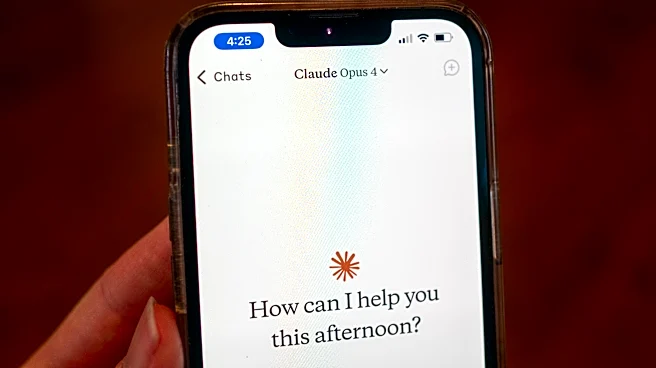
workshops for students in grades 7-12 to manage stress, build confidence, and make healthy choices. This initiative stems from student feedback regarding the need for greater mental health support. CPS also maintains a comprehensive approach to AI, making tools available to staff while blocking unapproved third-party AI apps like Google Gemini, ChatGPT, and Claude on student accounts, CPS-issued devices, and the CPS network. This policy aims to safeguard teaching, learning, critical thinking, and student safety and privacy. CPS is working on a solution to ensure students can access Google search, which now includes AI functions, without compromising the district's AI stance, and will explore other search solutions if an agreement cannot be reached.
Why It's Important?
CPS's dual focus on student mental health and responsible AI integration is critical for preparing students for the future while ensuring their well-being. The Youth Wellness Fair directly addresses the growing mental health crisis among young people, providing essential coping mechanisms and support. This proactive approach can lead to improved academic performance, reduced behavioral issues, and healthier student development. Simultaneously, the district's cautious yet forward-thinking AI policy is vital in an era where AI is rapidly transforming education and society. By building foundational AI literacy and maintaining academic integrity, CPS aims to equip students with the skills to navigate an AI-influenced world critically and ethically, preventing potential misuse or over-reliance on AI tools. This balanced approach sets a precedent for other educational institutions grappling with similar challenges.
What's Next?
CPS plans to continue strengthening its mental health resources, complementing existing universal social-emotional learning curricula, Behavioral Health Teams, and Whole School Safety plans. The district will also continue to engage with students to understand their needs and refine support systems. Regarding AI, CPS is committed to building foundational AI literacy among students, teaching them how AI technologies work, their limitations, and how to evaluate AI-generated information critically. The ongoing discussions with Google to ensure continued access to search functionalities while upholding CPS's AI policy will be a key development. If a resolution with Google is not found, CPS will explore alternative search solutions to maintain student access to essential online resources. The district's AI Guidebook will likely be updated as technology evolves and best practices emerge.
Beyond the Headlines
The initiatives by CPS reflect a broader societal recognition of the interconnectedness of mental well-being and technological literacy in education. The emphasis on student voice in shaping mental health support highlights a shift towards more student-centered approaches in educational policy. The careful implementation of AI policy, balancing innovation with ethical considerations, underscores the complex challenges educational systems face in the digital age. This includes navigating issues of academic integrity, digital equity, and the potential impact of AI on critical thinking skills. The district's model policy for AI could influence other school districts across the nation, fostering a more thoughtful and responsible integration of AI into K-12 education. Ultimately, these efforts aim to cultivate well-rounded individuals who are not only academically proficient but also emotionally resilient and technologically astute, capable of thriving in a rapidly changing world.