
What's Happening?
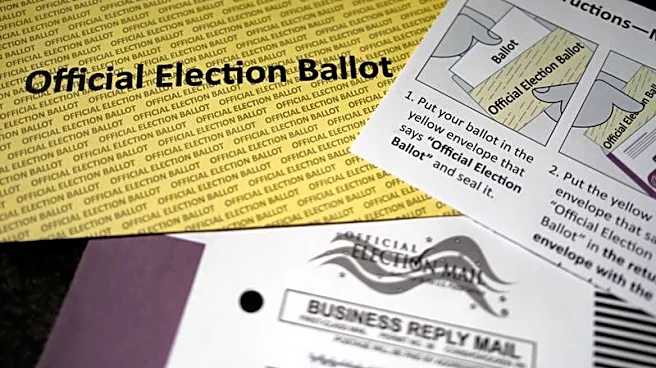
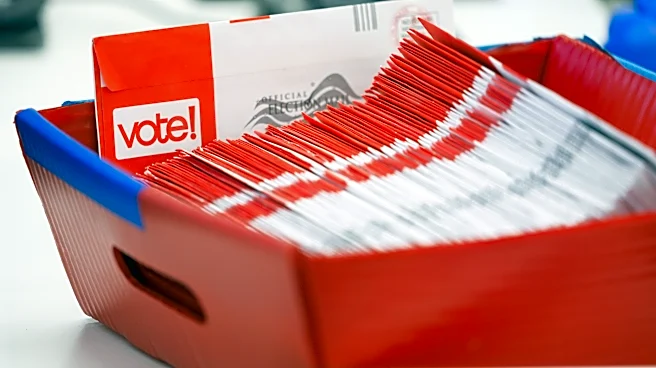
The U.S. Postal Service (USPS) has proposed a new rule that mandates states to provide voter-level data for mail-in ballots in federal elections. This proposal follows President Trump's executive order
aimed at tightening mail-in voting rules, which a federal judge recently declined to block. The rule would require states to submit names, addresses, and unique barcodes for each voter receiving mail-in or absentee ballots. The USPS argues that this measure will help ensure adherence to federal law and facilitate law enforcement efforts. However, the proposal has sparked concerns about federal overreach into state-controlled election processes. The rule is set to be published in the Federal Register, with a 30-day public comment period before it can be finalized.
Why It's Important?
The proposed rule by the USPS could significantly impact the administration of mail-in voting, a process traditionally managed by states. Critics, including Democrats and voting rights groups, argue that this move represents an unconstitutional federal takeover of election administration. They fear it could lead to eligible voters being denied ballots due to errors in federal databases or incomplete state lists. The rule's implementation could alter the balance of power between state and federal authorities in election management, potentially affecting voter access and the integrity of the electoral process. The proposal also highlights ongoing debates about election security and the role of federal oversight in state-run elections.
What's Next?
The proposal is open for public comment for 30 days, during which stakeholders, including state officials, voting rights advocates, and the general public, can express their views. Following the comment period, the USPS will review the feedback before finalizing the rule. Legal challenges are likely, as Democrats and voting rights groups have already expressed intentions to contest the rule in court. The outcome of these legal battles could set important precedents for the extent of federal involvement in state election processes. Additionally, the rule's implementation could influence voter turnout and the administration of upcoming federal elections.