
What's Happening?
A recent study published in Neurology has found a correlation between the daily consumption of high-fat cheese and a reduced risk of developing dementia. The research, conducted over 25 years, involved
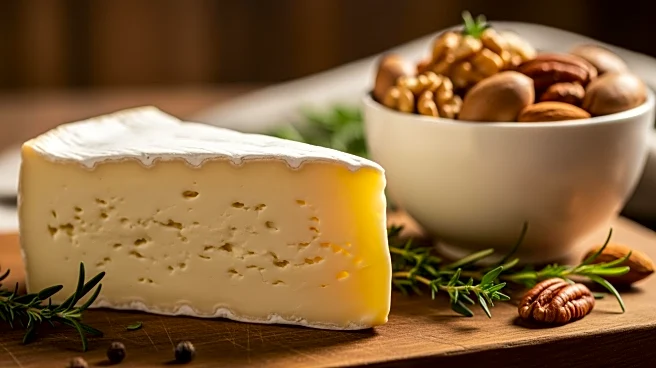
27,670 adults in Sweden. Participants who consumed 50 grams or more of high-fat cheese daily, such as brie, gouda, and cheddar, showed a 13% lower risk of all-cause dementia compared to those who ate less than 15 grams. The study did not find similar associations for low-fat cheese, milk, or fermented milk products. However, the study's methodology, which relied on dietary data collected at a single point in time, has been critiqued for potential inaccuracies over the long term.
Why It's Important?
The findings challenge long-standing dietary guidelines that often categorize high-fat dairy products as unhealthy. With dementia affecting millions globally and limited effective treatments available, dietary interventions could play a crucial role in risk reduction. This study suggests that certain high-fat dairy products might be beneficial for brain health, potentially influencing future dietary recommendations and public health strategies. However, the study's limitations highlight the need for further research to confirm these findings and understand the underlying mechanisms.
What's Next?
Further research is needed to explore the mechanisms by which high-fat cheese might influence dementia risk. This could involve more detailed longitudinal studies that track dietary habits and health outcomes over time. Additionally, public health officials and nutritionists may need to reassess dietary guidelines concerning high-fat dairy products if these findings are corroborated by future studies.
Beyond the Headlines
The study raises questions about the role of dietary fats in cognitive health, challenging the traditional view that low-fat diets are universally beneficial. It also highlights the complexity of nutritional science, where the health impacts of foods can vary significantly based on their composition and the context of overall diet and lifestyle.