





What's Happening?
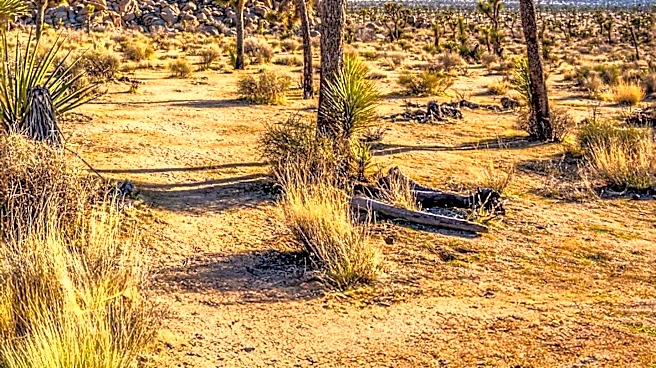
Joshua Tree National Park, a high-desert wilderness where the Mojave and Colorado deserts converge, is renowned for its distinctive Joshua trees and massive granite formations. The park is a popular destination for road trippers, rock climbers, photographers,
and families seeking scenic drives and accessible nature walks. To maximize the experience, visitors are advised to enter via the West Entrance (Hwy 62) from the town of Joshua Tree, especially if traveling from I-10, as this route provides the shortest drive to the iconic rock formations and the densest concentration of Joshua trees. The park spans approximately 800,000 acres, with the northern half, accessed through the West Entrance, featuring the most famous rock piles. The optimal time to visit is on weekdays in late fall or early spring, avoiding the peak tourist season and the intense midday summer heat, which can exceed 100°F. Key attractions for a 3-5 hour visit include Hidden Valley, Keys View, and Skull Rock, offering a mix of easy hikes and panoramic views.
Why It's Important?
Joshua Tree National Park represents a significant natural and recreational asset, drawing a diverse range of visitors and contributing to regional tourism. Its unique ecosystem, where two distinct deserts meet, offers a valuable educational experience on desert ecology and geology. The park's popularity, particularly during peak seasons, highlights the growing interest in outdoor recreation and national parks, which can strain resources and infrastructure. The advice on entry points and timing is crucial for visitor satisfaction and safety, as it helps manage traffic flow and ensures a more enjoyable experience. Furthermore, the emphasis on safety precautions, such as carrying ample water and not relying on cell service, underscores the inherent risks of desert environments and the importance of preparedness, which is vital for public safety and reducing the burden on park rescue services. The park's accessibility for various activities, from rock climbing to scenic drives, also positions it as a key destination for adventure tourism and nature photography.
What's Next?
Visitors planning a trip to Joshua Tree National Park should continue to monitor park alerts for any holiday restrictions or changes in entry requirements, although timed entry reservations are not currently required. Future visits will likely continue to benefit from strategic planning, such as filling up on gas before entering the park, as there are no services inside, and downloading offline maps due to unreliable cell service. The park's management will likely continue to focus on visitor education regarding desert safety, including the necessity of closed-toe shoes and avoiding contact with cholla cactus. As the park's popularity grows, there may be ongoing efforts to manage visitor impact, potentially through enhanced signage, trail maintenance, and educational programs. The recommendation to visit during weekdays in late fall or early spring will likely remain a key strategy for visitors to avoid crowds and extreme weather conditions, ensuring a more pleasant and safer experience.
Beyond the Headlines
The guidance for visiting Joshua Tree National Park extends beyond mere logistical advice, touching upon a deeper respect for the desert environment. The emphasis on preparedness—carrying water, understanding the lack of cell service, and being aware of extreme temperatures—highlights the unforgiving nature of the high desert and the need to shed 'city assumptions.' This fosters a sense of personal responsibility and environmental awareness among visitors. The park's unique landscape, with its 'Dr. Seuss-like' Joshua trees and massive granite monoliths, offers a profound aesthetic and spiritual experience, often described as a 'geological therapy session.' This connection to nature can have significant cultural and psychological benefits, providing a stark contrast to urban life. The park also serves as a critical habitat for diverse desert flora and fauna, making responsible tourism essential for conservation efforts. The detailed advice, therefore, not only ensures a safe and enjoyable visit but also subtly educates visitors on the delicate balance of this unique ecosystem and their role in preserving it.