
What's Happening?
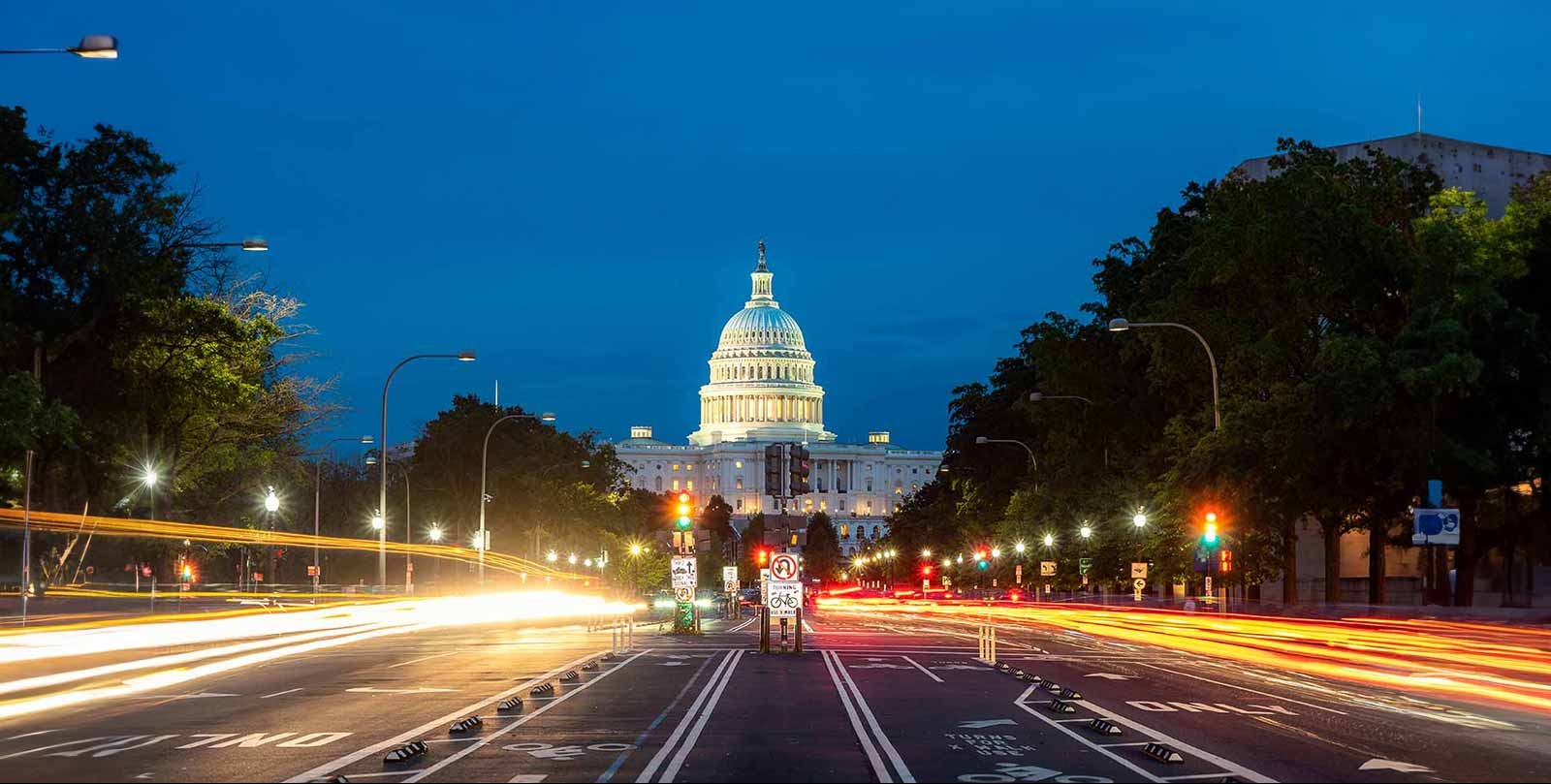
The U.S. House of Representatives passed a bill to restore collective bargaining rights for federal employees, reversing an executive order by President Trump. The bill, which passed with a 231-195 vote,
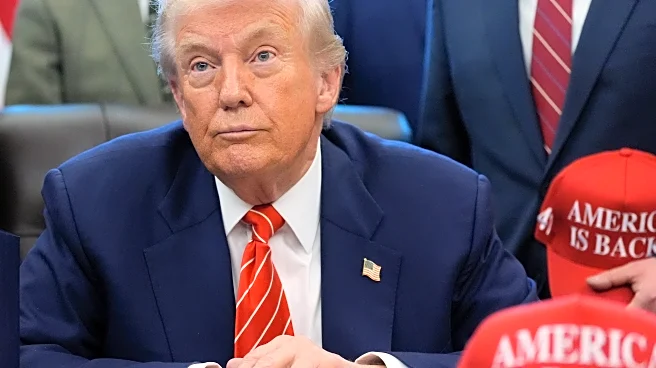
saw support from nearly two dozen Republicans who joined Democrats in this effort. The executive order, issued by Trump, aimed to end collective bargaining for employees in agencies with national security missions. The bill's passage marks a significant bipartisan move, although it still requires Senate approval to become law. The American Federation of Government Employees (AFGE) and the AFL-CIO have praised the bill, viewing it as a victory against what they consider the largest act of union-busting in U.S. history.
Why It's Important?
This legislative move is significant as it represents a rare bipartisan effort to counteract a presidential executive order, highlighting growing support for labor unions among some Republicans. The restoration of bargaining rights is crucial for the approximately 600,000 federal workers affected by the original order. This development could influence the political landscape, especially for Republicans facing tough reelections who supported the bill. It also underscores a shift in some Republican attitudes towards labor unions, traditionally a Democratic stronghold, potentially altering future political alliances and labor policies.
What's Next?
The bill now moves to the Senate, where its future is uncertain given the Republican majority. If passed, it would restore union rights for federal workers, impacting labor relations within federal agencies. The ongoing legal challenge by the AFGE against the executive order could also be influenced by this legislative action. Political leaders and labor organizations will likely continue to advocate for the bill, emphasizing its importance for federal workers' rights and public service resilience.