






What's Happening?
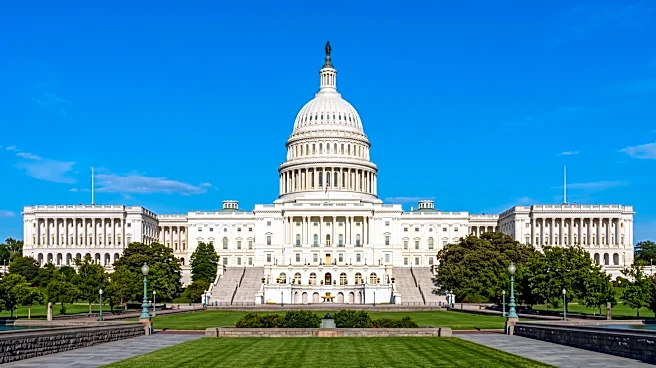
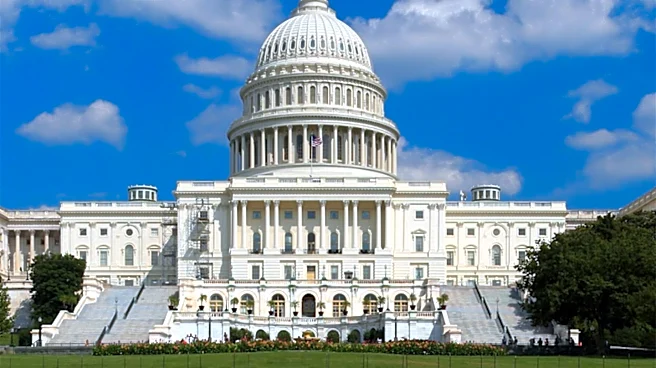
Senator Ruben Gallego (D-AZ), Arizona’s first Latino senator, has celebrated the recent passage of a resolution by the United States Senate. This resolution officially recognizes and celebrates Hispanic Heritage Month, an annual observance dedicated to honoring
the significant contributions of Hispanic and Latino communities to American achievements, culture, and history. Senator Gallego emphasized the personal importance of this recognition, reflecting on his own background as the son of Colombian and Mexican parents and the resilience of Latino families in achieving the American Dream. The resolution was spearheaded by Senators Catherine Cortez Masto (D-NV) and Rick Scott (R-FL) and garnered broad bipartisan support, with numerous senators co-sponsoring the measure.
Why It's Important?
The Senate's passage of a resolution celebrating Hispanic Heritage Month is important because it provides formal federal recognition of the profound and diverse impact that Hispanic and Latino communities have had on the United States. This acknowledgment extends beyond cultural contributions to include historical achievements and their role in shaping the nation's identity. For Senator Gallego and many others, this resolution validates the struggles and successes of generations of Latino families, reinforcing their sense of belonging and contribution to American society. Such official recognition can foster greater cultural understanding, promote inclusivity, and encourage educational initiatives that highlight Hispanic and Latino heritage. It also serves as a symbolic gesture that can inspire younger generations within these communities, affirming their value and potential within the broader American narrative. The bipartisan nature of the resolution underscores a shared national appreciation for these contributions, transcending political divides.
What's Next?
With the Senate's passage of the resolution, Hispanic Heritage Month will continue to be observed annually, typically from September 15 to October 15. This formal recognition by the Senate is expected to encourage various federal agencies, educational institutions, and community organizations to organize events, programs, and initiatives that celebrate Hispanic and Latino culture, history, and achievements. These activities will likely include educational workshops, cultural festivals, art exhibitions, and discussions aimed at raising public awareness and appreciation. The resolution's passage may also inspire further legislative efforts to support and empower Hispanic and Latino communities, potentially leading to increased funding for relevant cultural programs or policies that address issues important to these populations. The ongoing celebration will serve as a platform for continued dialogue about diversity and inclusion in the United States.
Beyond the Headlines
The celebration of Hispanic Heritage Month, now formally recognized by the Senate, delves into deeper societal implications regarding identity, representation, and historical narratives. It challenges a singular view of American history by integrating the stories and contributions of a significant and growing demographic. This recognition can help combat stereotypes and foster a more nuanced understanding of the complexities within the Hispanic and Latino communities, which are incredibly diverse in terms of national origin, culture, and experiences. Furthermore, the bipartisan support for this resolution suggests a broader political acknowledgment of the demographic shifts in the U.S. and the increasing importance of engaging with and representing diverse constituencies. This could influence future political strategies and policy-making, as both parties seek to connect with and address the concerns of these communities. Ultimately, such cultural recognitions contribute to building a more inclusive national identity that values and celebrates all its constituent parts.