







What's Happening?
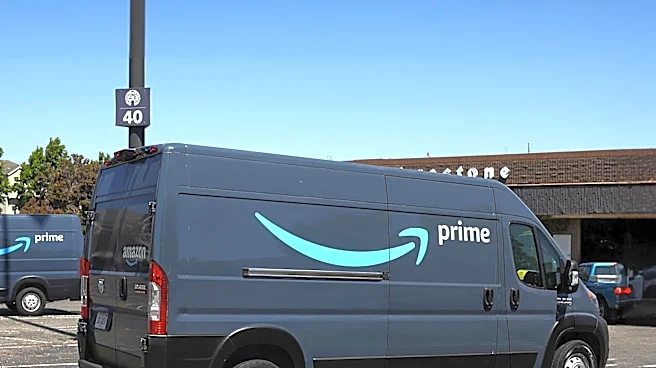
Chicago city officials are considering a proposed ordinance, the 'Chicago Delivery Protection Act,' which would introduce new regulations for third-party delivery companies and last-mile warehouses, including those used by Amazon. The proposal aims to
address concerns regarding worker protection, safety, and accountability within the rapidly growing e-commerce delivery sector. Ald. Julia Ramirez (12th), the ordinance's sponsor, stated that the city seeks to close an 'accountability gap' and gain more visibility into the industry. The proposed rules encompass new licensing requirements, mandatory training, and worker protection measures. Delivery workers have testified about pressure to meet high quotas, leading to unsafe driving practices and reluctance to report vehicle issues. They also cited instances of reduced hours without notice and threats of job loss for failing to meet demands. The ordinance would also require companies to provide employees with clear delivery quotas that allow for sufficient rest and breaks, and protect workers from retaliation for reporting unsafe conditions. Companies would need to obtain city licenses and disclose any violations of road safety, labor laws, or environmental protections, with potential fines or license revocation for non-compliance.
Why It's Important?
This proposed ordinance in Chicago highlights a growing national conversation about labor practices and safety in the gig economy and e-commerce logistics. If passed, it could set a precedent for other major U.S. cities grappling with the impact of rapid e-commerce expansion. For delivery workers, the regulations could lead to improved working conditions, better pay transparency, and enhanced safety protocols, potentially reducing the risks associated with high-pressure delivery demands. For Amazon and other e-commerce delivery companies, it signifies increased operational costs due to new licensing, training, and compliance requirements. Industry groups, including the Chicagoland Chamber of Commerce and the Illinois Retail Merchants Association, oppose the ordinance, arguing it is too broad and could financially burden small and medium-sized delivery businesses, potentially forcing some to close. This legislative effort underscores the tension between the convenience of fast delivery services and the welfare of the workforce enabling them, potentially influencing how cities balance economic growth with worker protections.
What's Next?
The proposed 'Chicago Delivery Protection Act' is currently under discussion and has not yet been voted on or introduced to the full City Council. Further deliberations are expected, where city officials will weigh the concerns of delivery workers and proponents of the ordinance against the objections raised by industry groups. Stakeholders, including labor unions like the Teamsters Joint Council 25, which supports the ordinance, and business associations, will likely continue to lobby for their respective interests. If the ordinance progresses, it could undergo amendments before a final vote. Should it pass, it would necessitate significant operational adjustments for Amazon's Delivery Service Partners and other e-commerce delivery companies operating in Chicago. The implementation would involve establishing new licensing procedures, developing mandatory training programs, and enforcing compliance with worker protection and safety standards. The outcome in Chicago could also inspire similar legislative efforts in other U.S. municipalities facing comparable challenges in regulating the last-mile delivery sector.
Beyond the Headlines
The Chicago Delivery Protection Act delves into the complex ethical and economic implications of the modern delivery ecosystem. Beyond immediate worker protections, it raises questions about the responsibility of large e-commerce platforms like Amazon for the labor practices of their third-party contractors. The ordinance attempts to bridge an 'accountability gap' where the primary beneficiary of the delivery service (Amazon) is often insulated from direct employment responsibilities for the drivers. This legislative move could prompt a broader re-evaluation of the independent contractor model prevalent in the gig economy, potentially leading to increased scrutiny of how companies structure their relationships with delivery partners. Furthermore, the debate highlights the societal cost of rapid delivery, including increased traffic congestion, parking violations, and potential safety risks for pedestrians and cyclists, as drivers rush to meet quotas. The ordinance's focus on mandatory road safety training and dynamic hazard alerts reflects a growing recognition that the pursuit of efficiency must be balanced with public safety and urban planning considerations.