

What's Happening?
The United Nations High Commissioner for Refugees (UNHCR) has issued an alert regarding a significant increase in displaced persons across Mali, Burkina Faso, and Niger. The number of individuals displaced in these three Sahelian nations has almost doubled
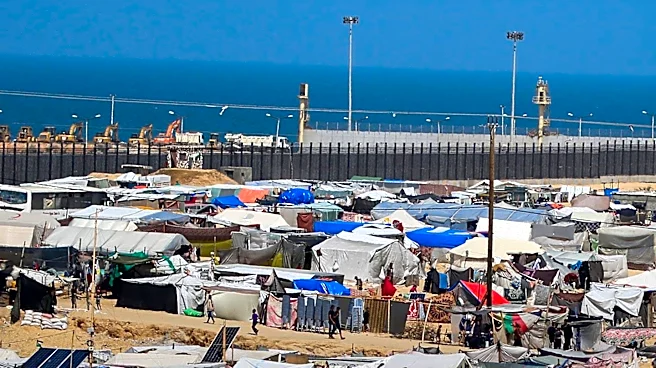
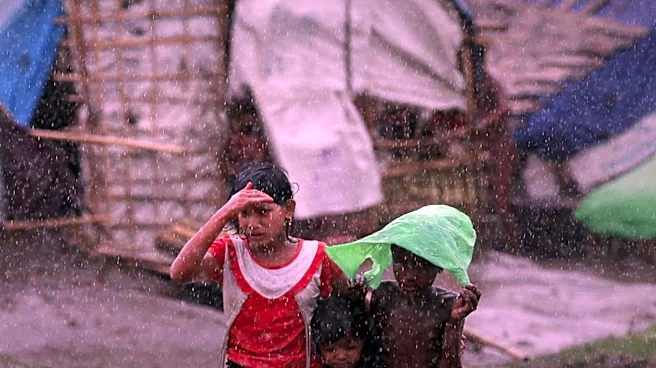
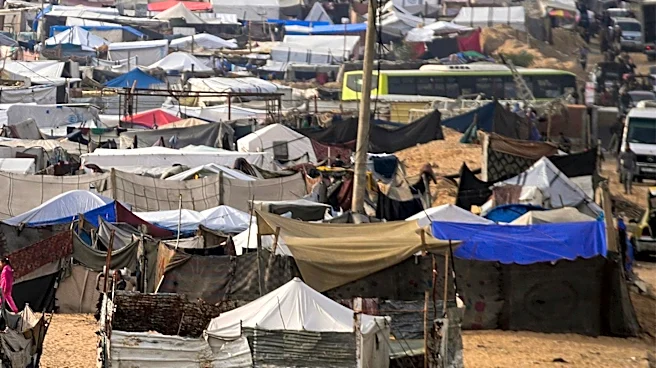
since 2020, reaching nearly 4 million people. This figure includes over 818,000 refugees and asylum seekers, with the remainder being internally displaced persons. According to Abdouraouf Gnon-Konde, UNHCR Director for West and Central Africa, security incidents have nearly doubled since 2020, weakening state presence and increasing risks for both displaced and host communities. Despite the military governments in Mali (since 2020), Burkina Faso (since 2022), and Niger (since 2023) forming the Alliance of Sahel States (AES) to combat jihadist and independentist groups, violence from armed groups and national armies continues to escalate, forcing more civilians to flee. The UNHCR highlights the case of Koro in Mali, which hosted 86,000 refugees from Burkina Faso by July, straining already limited resources and services.
Why It's Important?
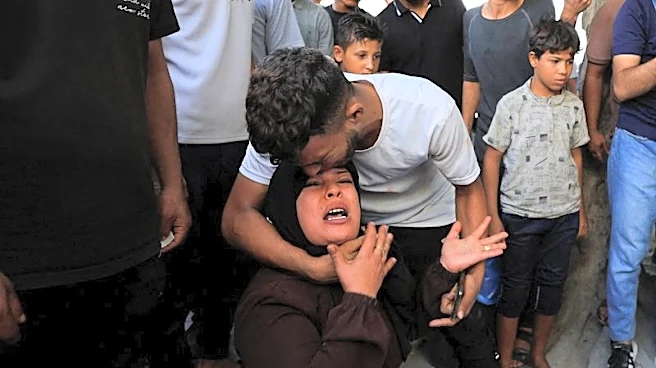
The escalating displacement crisis in the Sahel has profound humanitarian and geopolitical implications. The near doubling of displaced persons since 2020 indicates a severe deterioration of security and living conditions in Mali, Burkina Faso, and Niger. This mass displacement places immense pressure on already scarce resources in host communities, leading to increased competition for land, water, and healthcare services. The lack of international funding further exacerbates the crisis; as of September, the UNHCR had only 27% of the nearly 3 million euros required for its operations in the Sahel. This funding gap means critical aid and protection for vulnerable populations are severely under-resourced. The instability and humanitarian catastrophe in the Sahel could also have ripple effects, potentially leading to increased migration flows towards neighboring coastal countries and even further afield, impacting regional stability and international aid efforts. The failure of military governments to curb violence, despite their stated priorities, underscores the complex and persistent challenges in the region.
What's Next?
The immediate future for the Sahel region points to continued humanitarian challenges and potential for further displacement if current trends persist. The UNHCR will likely continue to advocate for increased international funding to address the critical needs of nearly 4 million displaced individuals. Efforts will focus on providing essential services such as shelter, food, water, and healthcare, particularly in areas like Koro, Mali, which are experiencing significant influxes of refugees. The military governments of the Alliance of Sahel States (AES) will face ongoing pressure to demonstrate effective strategies against armed groups and to ensure the safety of their civilian populations. The international community will need to reassess its engagement and funding mechanisms to prevent a further deepening of the humanitarian crisis and to support long-term stability in the region. Without a significant increase in resources and a more effective security response, the number of displaced persons is likely to continue to rise, further destabilizing the region and increasing the strain on neighboring countries.
Beyond the Headlines
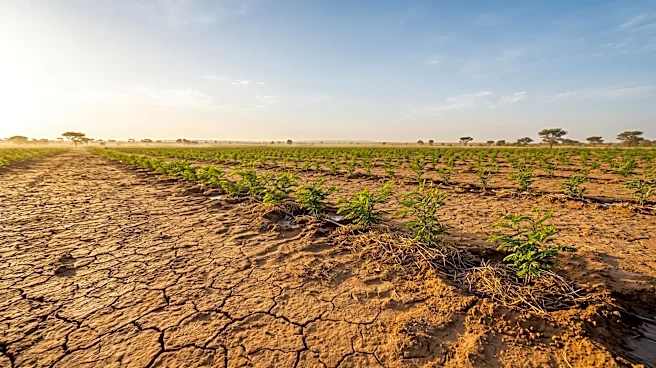
The crisis in the Sahel extends beyond immediate humanitarian concerns, touching upon deeper issues of governance, climate change, and the effectiveness of international interventions. The military takeovers in Mali, Burkina Faso, and Niger, while framed as efforts to combat terrorism, have coincided with a worsening security situation and increased displacement, raising questions about the efficacy and legitimacy of these regimes. The lack of international funding for humanitarian aid, as highlighted by the UNHCR, reflects a broader challenge in global resource allocation and donor fatigue, particularly for regions facing protracted crises. Furthermore, the Sahel is highly vulnerable to the impacts of climate change, with desertification and extreme weather events exacerbating resource scarcity and contributing to conflict and displacement. The interplay of political instability, armed violence, and environmental degradation creates a complex web of challenges that requires a holistic and sustained international response, moving beyond short-term aid to address root causes and build long-term resilience.