






What's Happening?
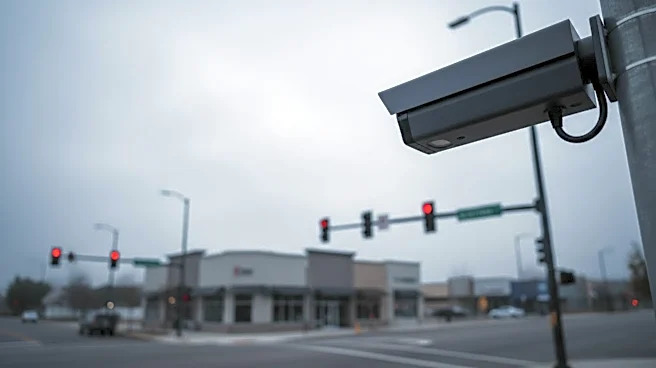
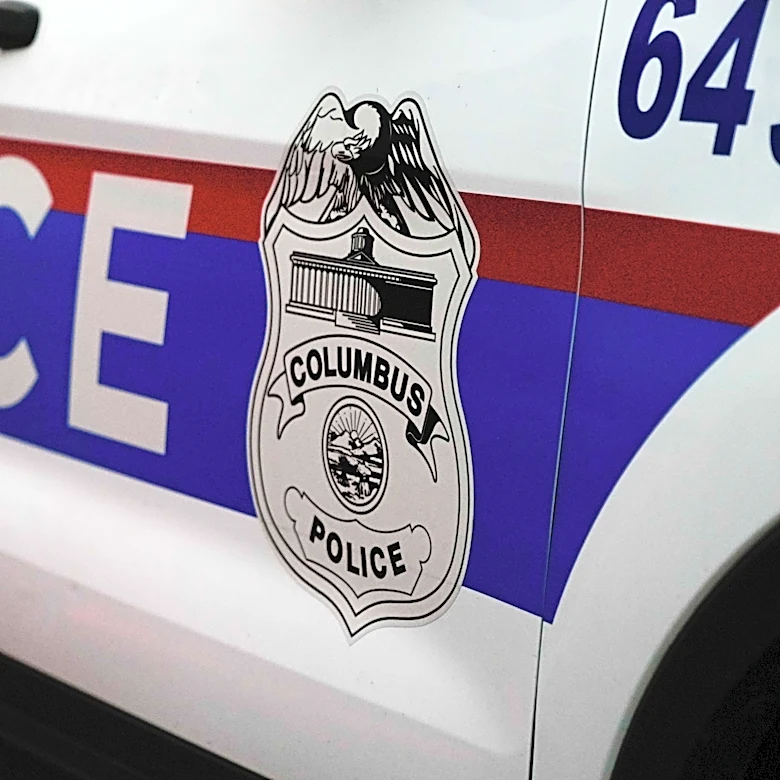
Data from Lucas County, Ohio, reveals that the Houston Police Department (HPD) is the top agency searching the county's Flock camera system. Between June and July, HPD conducted over 71,000 searches of the Lucas County Flock database. In the same 30-day
period, the Texas Department of Public Safety (DPS) performed over 13,000 searches, and the Harris County Sheriff's Office (HCSO) searched Lucas County license plate readers over 10,000 times. Overall, 16% of all Flock searches in Lucas County during that month originated from agencies in the Houston area, including state agencies and local school district police. Lucas County Board of Commissioners President Pete Gerken expressed surprise at these findings, questioning why Houston-area agencies were so frequently accessing their local data. HPD did not provide an interview to explain the high volume of searches.
Why It's Important?
This revelation raises significant concerns about data privacy, inter-agency data sharing, and the scope of surveillance technology. The extensive searches by a distant police department like HPD in Lucas County, Ohio, highlight how license plate reader (LPR) networks can create a vast, interconnected surveillance footprint across state lines. This practice challenges the traditional understanding of local law enforcement jurisdiction and oversight. Privacy advocates, such as Howard Henderson, director of the Center for Justice Research at TSU, argue that such widespread data access blurs the lines between public law enforcement and private corporate surveillance, potentially allowing law enforcement to circumvent public oversight and build massive surveillance networks without warrants. The lack of transparency from HPD regarding its search rationale further exacerbates these concerns, impacting public trust and accountability.
What's Next?
The findings are likely to prompt further scrutiny and calls for transparency from both Lucas County and Houston-area officials. Lucas County may review its data-sharing agreements with other agencies to understand and potentially restrict access. Privacy advocates and civil liberties groups will likely intensify their efforts to advocate for stronger regulations and oversight regarding LPR technology and data sharing. There could be legislative efforts at both state and federal levels to establish clearer guidelines on how LPR data can be accessed, used, and shared across jurisdictions. The Harris County Sheriff's Office suggested that agencies might be running searches through a national database option offered by Flock, which could explain the high volume, but this explanation itself points to the need for more transparent national policies on LPR data access. Public debate on the balance between public safety and individual privacy in the age of pervasive surveillance technology is expected to continue.
Beyond the Headlines
The extensive use of Flock cameras and the inter-jurisdictional data sharing revealed in this report touch upon fundamental questions about the nature of surveillance in a democratic society. The ability of law enforcement agencies to access vast amounts of location data from distant states without clear public justification or oversight raises concerns about a 'surveillance creep' where technology outpaces legal and ethical frameworks. This situation highlights the potential for misuse of such data, as indicated by past instances of officers using LPRs for personal reasons. It also underscores the challenge of maintaining local control and accountability when data is aggregated and shared nationally. The debate extends beyond individual privacy to the very structure of governance, questioning who has the authority to collect and use such data, and how citizens can protect themselves from pervasive tracking. This incident could serve as a catalyst for a broader national conversation on digital rights and the future of policing in a technologically advanced world.