


What's Happening?
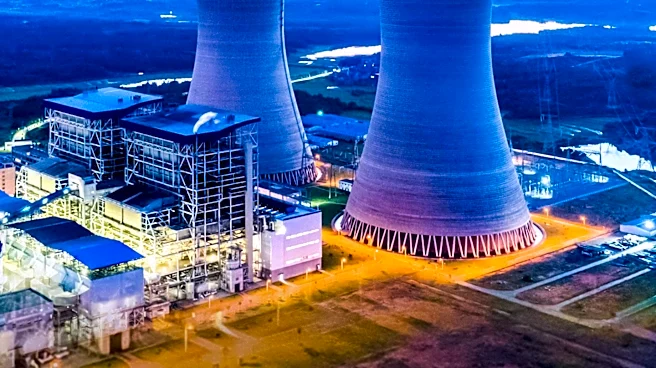
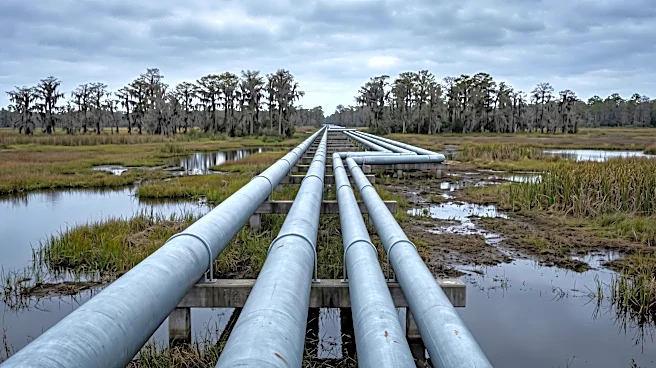
Residents and local officials in Louisiana are raising significant concerns regarding the proliferation of carbon capture and storage (CCS) projects across the state. The technology, which involves capturing carbon dioxide emissions and injecting them
deep underground for permanent storage, is being promoted as a solution to climate change and a way to extend the life of fossil fuel industries. However, many residents, particularly landowners in rural parishes like Vernon and Allen, are wary of the environmental risks, potential property value depreciation, and the use of eminent domain to acquire land for these projects. Concerns are amplified by past failures of similar projects, such as the Kemper power plant in Mississippi, and a CO2 pipeline rupture in Mississippi that caused mass evacuations and health issues. Legislators have also expressed regret over past votes that facilitated the expansion of CO2 sequestration without fully understanding its local impacts. The debate highlights a conflict between economic development promises and community well-being, with many feeling that the projects primarily benefit large corporations through tax credits rather than local populations.
Why It's Important?
The debate over carbon capture and storage in Louisiana is significant because it reflects a broader national tension between climate change mitigation efforts, industrial interests, and community rights. Louisiana, a state with a substantial fossil fuel industry, is seen as a prime location for CCS due to its geological formations and existing industrial infrastructure. However, the strong local opposition underscores the challenges of implementing large-scale environmental solutions without robust public engagement and addressing community concerns. The potential use of eminent domain for private industrial projects raises fundamental questions about property rights and government authority. Furthermore, the economic benefits, often touted as job creation and tax revenue, are being scrutinized, with critics arguing that the actual number of permanent jobs is minimal and that the primary beneficiaries are corporations leveraging federal tax credits. This situation could set precedents for how similar projects are pursued or resisted in other states with significant industrial footprints and rural populations.
What's Next?
The immediate future for carbon capture projects in Louisiana hinges on ongoing legislative efforts and regulatory decisions. Local communities and their representatives are pushing for more local control, including the right for parishes to opt out of such business activities. State officials are currently deliberating on whether to award permits for proposed injection wells, particularly in Vernon Parish, which is a focal point of current opposition. The outcome of these permit decisions will significantly influence the pace and scale of CCS development in Louisiana. Furthermore, the effectiveness and oversight of federal tax credits, such as the 45Q, will continue to be a point of contention, as critics argue they incentivize projects that may not be economically or environmentally sound without these subsidies. Legal challenges regarding eminent domain and environmental impact assessments are also likely as projects advance, potentially leading to prolonged disputes between developers, landowners, and environmental groups.
Beyond the Headlines
Beyond the immediate concerns, the controversy in Louisiana over carbon capture projects touches upon deeper ethical and societal questions. The reliance on CCS technology to extend the life of fossil fuel industries raises questions about whether this approach genuinely addresses climate change or merely delays a transition to renewable energy. The historical context of land appropriation, particularly through eminent domain for projects like Fort Polk, creates a deep-seated distrust among residents regarding government and corporate intentions. This situation highlights a broader pattern where rural communities, often rich in natural resources, bear the brunt of industrial development while perceived benefits accrue elsewhere. The debate also exposes the complexities of environmental justice, as vulnerable communities may lack the political and economic power to effectively resist projects they deem harmful. The long-term implications include potential shifts in land use, environmental liabilities for future generations, and the ongoing struggle to balance industrial growth with the preservation of local livelihoods and ecosystems.