


What's Happening?
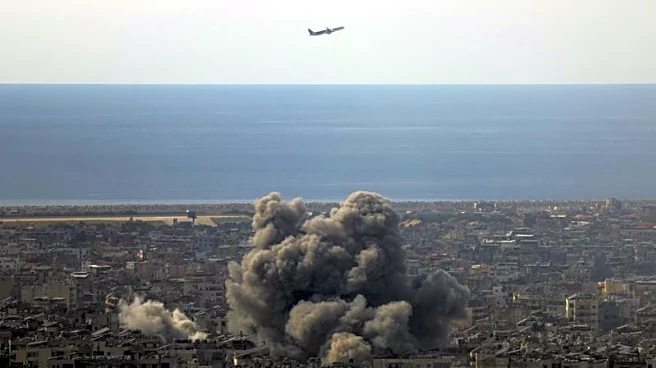
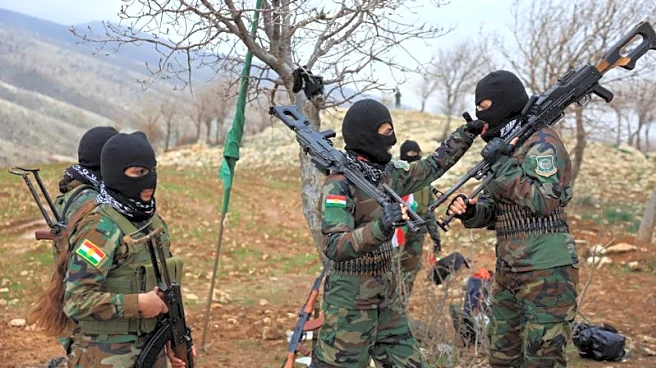
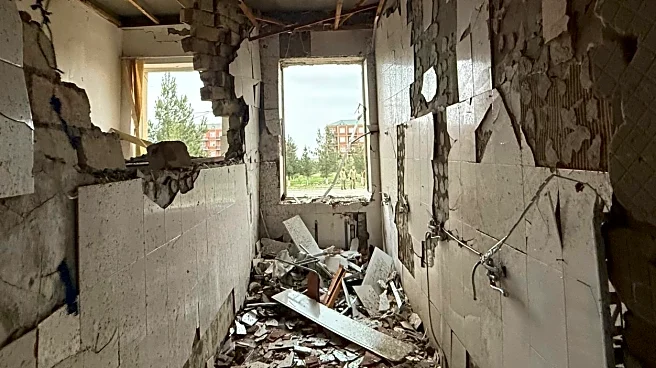
A recent military operation by the United States and Israel has targeted Iran, including the successful assassination of Ayatollah Ali Khamenei and other senior leaders. This action follows failed nuclear talks and has escalated tensions in the Middle
East. The attack has surprised many, as the region braces for potential regime change in Iran and the impact on America's regional allies. The conflict is expected to have significant repercussions on global energy prices and international travel, as the situation remains volatile.
Why It's Important?
The U.S.-Israel attack on Iran marks a significant escalation in Middle Eastern tensions, with potential global implications. The targeting of Iran's leadership could destabilize the region, affecting U.S. allies and possibly leading to regime change. This development could disrupt global energy markets, as Iran is a major oil producer, potentially leading to increased oil prices and economic instability. Additionally, the conflict may strain U.S. relations with other countries in the region and impact international diplomatic efforts.
What's Next?
The international community is closely monitoring the situation, as further military actions or retaliations from Iran could escalate the conflict. Diplomatic efforts may be initiated to de-escalate tensions, but the path forward remains uncertain. The U.S. and its allies may need to prepare for potential disruptions in energy supplies and increased security concerns. The situation could also influence U.S. foreign policy and military strategy in the region.
Beyond the Headlines
The attack raises ethical and legal questions about the use of targeted assassinations in international conflicts. It also highlights the long-standing enmity between the U.S. and Iran, rooted in decades of geopolitical tensions. The conflict may lead to a reevaluation of international norms regarding sovereignty and military intervention, as well as the role of diplomacy in resolving such disputes.