






What's Happening?
The Fitbit, first publicly showcased in 2008 and released in 2009, has undergone significant evolution in both design and functionality. Initially, the device was a clip-on unit, designed to attach to clothing rather than be worn on the wrist. Its primary
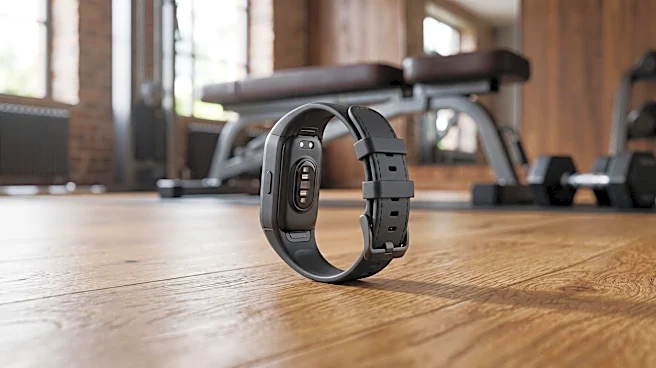
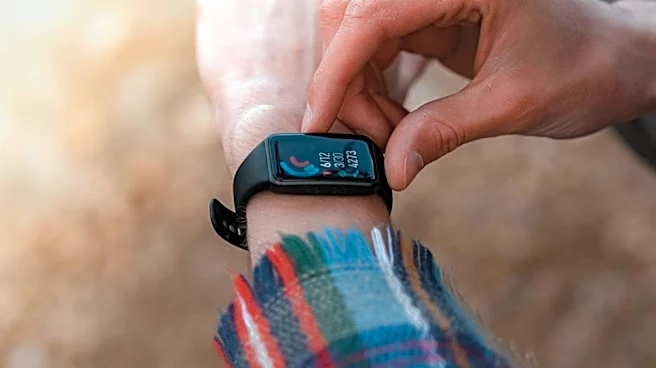
function was akin to an advanced pedometer, tracking steps, distance traveled, and calories burned, displayed on an OLED screen. The original Fitbit connected to a computer for data synchronization. Fast forward to 2026, and the Fitbit has transformed into a wrist-worn, Bluetooth-enabled health tracker that connects directly with smartphones, offering a much broader range of features. This technological advancement has also been accompanied by price changes. The original 2009 model retailed for approximately $99. Adjusting for inflation, that 2009 price would be around $155 in 2026. Modern Fitbit models, such as the Google Fitbit Edge, are priced higher, at nearly $179.99, reflecting the incorporation of new features and advanced technology.
Why It's Important?
The evolution of Fitbit from a basic step counter to a sophisticated health tracker highlights the rapid advancements in wearable technology and its increasing integration into daily life. This shift signifies a broader trend in consumer electronics towards devices that offer comprehensive health monitoring beyond simple activity tracking. The price increase, even when accounting for inflation, indicates the added value consumers are willing to pay for enhanced features, improved accuracy, and seamless connectivity. This trend impacts the consumer electronics market by driving innovation in sensor technology, battery life, and data analytics for personal health. For consumers, it means access to more detailed insights into their well-being, potentially leading to more informed health decisions. The transformation of Fitbit also reflects the growing importance of mobile connectivity, as devices now primarily interface with smartphones, creating a more integrated digital health ecosystem.
What's Next?
The trajectory of Fitbit and similar wearable health technologies suggests continued innovation in sensor capabilities, data analysis, and integration with broader healthcare systems. Future iterations may incorporate more advanced biometric sensors for continuous monitoring of vital signs, stress levels, and sleep patterns with greater precision. There is also a strong likelihood of increased integration with artificial intelligence to provide personalized health recommendations and predictive analytics. As these devices become more sophisticated, their role in preventive healthcare could expand, potentially leading to partnerships with medical professionals and insurance providers. The market will likely see further diversification in product offerings, catering to specific health needs or lifestyle preferences, from high-performance athletic tracking to passive health monitoring for general wellness. Competition in this space will continue to drive down costs for basic features while pushing the boundaries of what advanced wearables can achieve.
Beyond the Headlines
The evolution of Fitbit extends beyond mere technological upgrades; it reflects a societal shift towards proactive health management and self-quantification. The transition from a clip-on device to a wrist-worn tracker signifies a move towards more continuous and integrated health monitoring, making health data collection a seamless part of daily life. This trend raises important ethical considerations regarding data privacy, ownership, and the potential for commercial exploitation of personal health information. As these devices collect increasingly sensitive data, robust security measures and transparent data policies become paramount. Furthermore, the reliance on such technology for health insights could influence individual perceptions of health and wellness, potentially leading to both empowerment through data and anxiety over metrics. The long-term impact on public health could be significant, fostering greater awareness of lifestyle choices but also posing challenges in ensuring equitable access to these technologies and interpreting the vast amounts of data they generate responsibly.