
What's Happening?
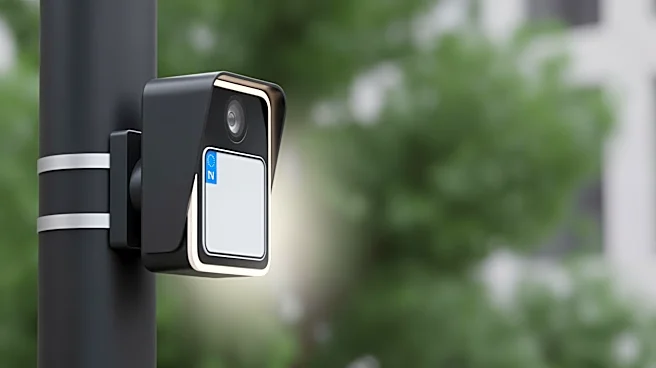
Oregon has implemented a new law, Senate Bill 1516, which regulates the use of automated license plate readers by law enforcement agencies. Signed by Governor Tina Kotek, the law allows Oregonians to sue
private companies that misuse data captured by these cameras. The legislation is part of a public safety package and aims to address privacy concerns, especially regarding data sharing with federal immigration authorities. The law limits data retention to 30 days unless linked to criminal investigations and mandates audits to ensure compliance. The bill has sparked debate over privacy and the potential misuse of data, particularly in relation to Oregon's sanctuary laws.
Why It's Important?
The new law is significant as it addresses growing concerns over privacy and data misuse in the context of law enforcement. By allowing individuals to sue for damages, it empowers citizens to hold companies accountable for data breaches. This legislation could set a precedent for other states grappling with similar privacy issues. It also highlights the tension between public safety and individual privacy rights, especially in states with sanctuary laws. The law's impact on law enforcement practices and its ability to balance crime prevention with privacy protection will be closely watched.
What's Next?
As the law takes effect, law enforcement agencies and technology vendors will need to adjust their practices to comply with the new regulations. The requirement for audits and data encryption will necessitate changes in how data is handled and shared. Privacy advocates and civil rights groups are likely to monitor the implementation closely, potentially leading to further legal challenges or amendments. The law's effectiveness in protecting privacy while allowing law enforcement to function effectively will be a key area of focus.