





What's Happening?
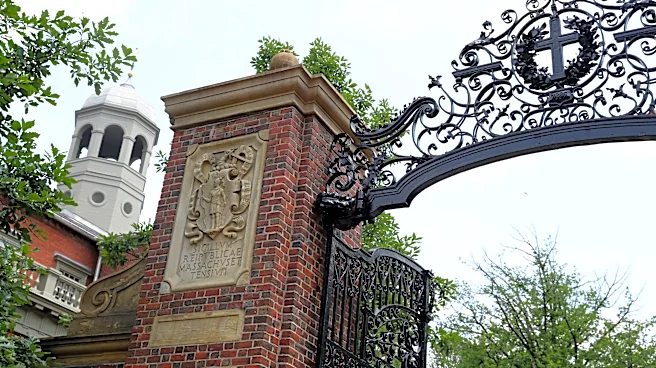
Academic workers at Harvard University, represented by the Harvard Academic Workers-United Auto Workers (HAW-UAW), are set to strike on Tuesday, November 10, after their final bargaining session with the university on Monday concluded without a contract
agreement. The union, which represents approximately 2,600 preceptors, lecturers, teaching assistants, and postdoctoral researchers, had set the strike deadline on October 19, following over two years and 54 bargaining sessions. Key unresolved issues include across-the-board raises, family benefits comparable to those of tenure-track faculty, the inclusion of hundreds of stipend-funded postdoctoral fellows whom Harvard does not consider employees, and union security clauses. J. Gregory Given, an Expository Writing preceptor and union bargaining committee member, stated that while the union has significantly adjusted its compensation proposals, the university has made minimal progress on these core disputes. Harvard's offer of a 3.5 percent across-the-board raise is viewed by the union as effectively a half-percent raise, given that non-unionized members would have received a 3 percent raise on July 1. The union has filed an unfair labor practice charge regarding the withheld raise.
Why It's Important?
This strike highlights ongoing labor disputes within higher education, particularly concerning the rights and compensation of academic workers. The HAW-UAW's action could disrupt numerous courses, especially those heavily reliant on non-tenure-track instructors, such as Expository Writing, Social Studies, and large introductory science classes. The dispute over union security clauses, which are standard in most Harvard union contracts but absent in the Harvard Graduate Student Union-United Auto Workers agreement, underscores a broader struggle for labor recognition and protection within academic institutions. The outcome of these negotiations could set a precedent for other universities facing similar demands from their academic staff, influencing future labor relations and compensation structures in higher education across the U.S. The union's claim that Harvard's resources are extensive enough to meet their demands also brings into focus the financial priorities of large educational institutions.
What's Next?
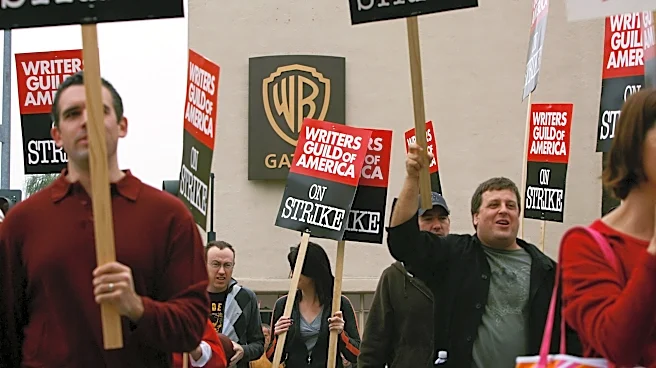
The strike is scheduled to begin on Tuesday, November 10, with HAW-UAW members planning to picket alongside striking graduate students and participate in joint rallies. The duration of the strike remains undetermined, as the union has not made a predetermination of its length. Harvard University has stated its commitment to maintaining continuity in teaching, learning, and research should a strike occur, indicating that it will attempt to operate through the disruption. This strike follows another ongoing strike by the Harvard Graduate Student Union-United Auto Workers, which began on October 27, and a recent vote by Harvard University Dining Services workers to authorize a strike. The cumulative effect of these labor actions could put significant pressure on Harvard's administration to reach agreements, potentially leading to further negotiations or prolonged disruptions.
Beyond the Headlines
The Harvard academic workers' strike reflects a growing trend of labor activism in the education sector, challenging traditional power dynamics between universities and their non-tenure-track staff. The debate over whether stipend-funded postdoctoral fellows should be considered university employees raises fundamental questions about the definition of labor in academic research and the responsibilities of institutions towards their researchers. The union's emphasis on family benefits and union security clauses points to a broader demand for equitable treatment and job stability for academic workers, who often face precarious employment conditions despite their critical contributions to teaching and research. This movement could contribute to a re-evaluation of academic labor models and potentially lead to more robust protections and benefits for academic workers nationwide, influencing the future landscape of higher education employment.