






What's Happening?
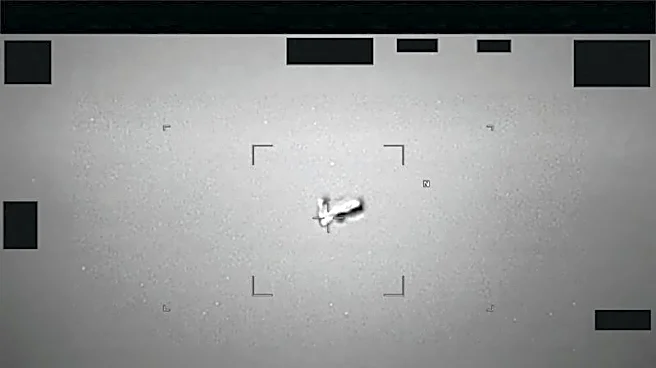
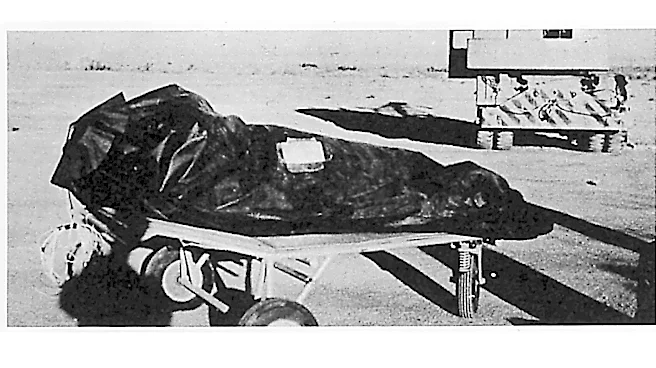
The U.S. government has released a collection of classified files related to Unidentified Anomalous Phenomena (UAP), commonly known as UFOs, to the public. This release is part of the Presidential Unsealing and Reporting System for UAP Encounters (PURSUE),
initiated under President Trump's directive. The files, which include documents, videos, and photos, are now accessible online at WAR.GOV/UFO. This initiative involves multiple agencies, including the Department of War, NASA, the FBI, and the Office of the Director of National Intelligence (ODNI). The release marks a significant shift in government policy, aiming to provide unprecedented transparency regarding UFO encounters. Secretary of War Pete Hegseth emphasized the importance of this move, stating it addresses long-standing public curiosity and speculation. The All-domain Anomaly Resolution Office (AARO) plays a central role in this effort, having cataloged and analyzed numerous military and intelligence reports of UAPs.
Why It's Important?
This release is significant as it represents a major step towards transparency in government dealings with UFO phenomena, a topic that has historically been shrouded in secrecy. By making these files publicly accessible, the government acknowledges the public's right to information and addresses decades of speculation and demand for disclosure. This move could impact public trust in government institutions, as it demonstrates a willingness to share sensitive information. Additionally, it may influence future policy and research directions in aerospace and defense sectors, as well as scientific inquiry into unexplained aerial phenomena. The release also sets a precedent for how governments might handle classified information in the future, potentially leading to more open communication with the public on other sensitive topics.
What's Next?
The release is just the beginning of an ongoing effort to declassify and share more information about UAPs. The government plans to continue releasing additional files on a rolling basis. This ongoing transparency initiative may prompt further investigations and analyses by independent researchers, scientists, and the public. It could also lead to increased collaboration between government agencies and private sector experts in aerospace and technology fields. As more information becomes available, there may be a need for new frameworks to analyze and interpret the data, potentially involving academic institutions and think tanks. The public's response to these releases will likely influence the pace and scope of future disclosures.
Beyond the Headlines
The release of these files raises questions about the balance between national security and public transparency. While the government has reviewed the files for security purposes, the lack of analysis on the anomalies themselves leaves room for varied interpretations. This could lead to a mix of scientific inquiry and conspiracy theories, highlighting the challenges of managing public perception. The initiative also underscores the evolving role of government in addressing public curiosity and the demand for information in the digital age. As the public engages with these files, there may be broader discussions about the implications of UAPs for national security, scientific research, and international relations.