




What's Happening?
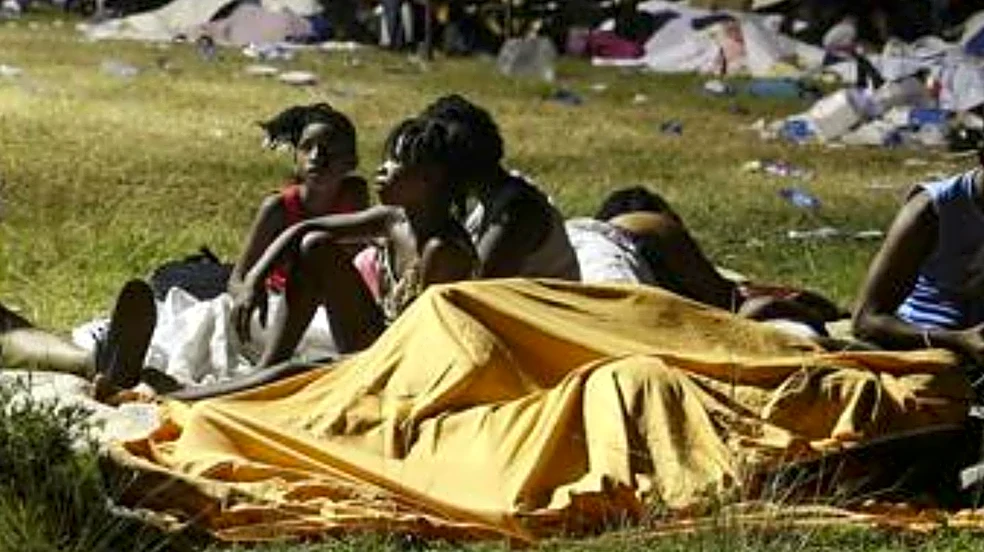
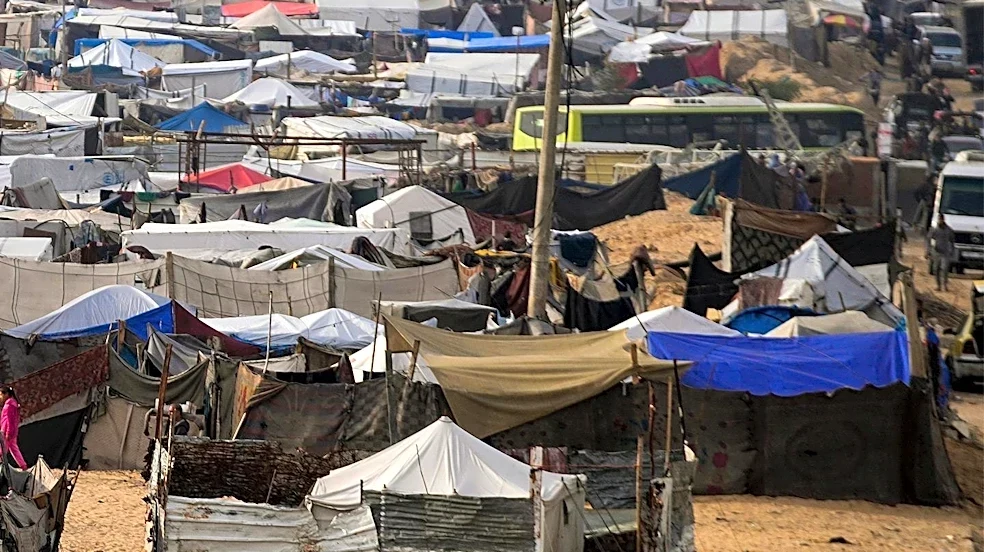
Karl Baker, regional crisis coordinator for the Gaza response at the International Organisation for Migration (IOM), has reported that shelters across Gaza are severely deteriorated due to repeated displacement over three years of conflict. Some Palestinians
have been displaced as many as eight times, leading to the damage or destruction of tents and other temporary shelters with each forced movement. This constant displacement necessitates the replacement of basic materials like tarpaulins every six months, but humanitarian agencies face significant challenges in bringing sufficient replacements into Gaza. Restrictions and funding shortages are further hampering preparations for the approaching winter. Baker emphasized the urgent need to transition from temporary solutions to more durable transitional shelters, but materials required for stronger roofing, concrete floors, and substantial walls are often denied entry by Israeli authorities due to 'dual-use' restrictions, citing security concerns. IOM remains in constant contact with Israeli authorities regarding these restrictions.
Why It's Important?
The deteriorating shelter conditions in Gaza represent a critical humanitarian crisis, exacerbating the suffering of a population already enduring prolonged conflict and displacement. The inability to provide adequate and durable shelter not only exposes individuals to harsh weather conditions, particularly with winter approaching, but also undermines their basic human dignity and right to safety. The 'dual-use' restrictions imposed by Israeli authorities, while cited for security concerns, significantly impede humanitarian efforts to rebuild and provide essential infrastructure. This situation creates a complex dilemma where security considerations directly impact the ability of aid organizations to deliver life-saving assistance and improve living conditions. The repeated displacement also has profound psychological and social consequences, preventing any semblance of stability or recovery for affected families. The IOM's call for more durable solutions highlights the long-term nature of the crisis and the inadequacy of current temporary measures.
What's Next?
IOM will continue its efforts to advocate for the entry of essential construction materials into Gaza, engaging in ongoing discussions with Israeli authorities to address the 'dual-use' restrictions. The organization will likely seek increased international funding to procure and transport necessary shelter materials, as well as to support the construction of more durable transitional shelters. As winter approaches, there will be an intensified focus on providing immediate, albeit temporary, relief to protect displaced populations from the cold and rain. Humanitarian agencies will also likely continue to document and report on the deteriorating conditions to raise global awareness and pressure for policy changes that facilitate humanitarian access. The long-term goal remains to move beyond emergency aid to more sustainable solutions that allow for the rebuilding of homes and communities in Gaza.
Beyond the Headlines
The ongoing struggle to provide adequate shelter in Gaza, particularly under 'dual-use' restrictions, reveals a deeper tension between security imperatives and humanitarian principles. This situation raises ethical questions about the balance between national security concerns and the fundamental right to shelter and safety for civilian populations in conflict zones. The repeated destruction and rebuilding of temporary shelters also highlight the unsustainable nature of current aid models, which often address symptoms rather than root causes. The psychological toll of constant displacement and the inability to establish a stable home environment can lead to long-term trauma and hinder community recovery. Furthermore, the IOM's report implicitly points to the need for a more robust international framework that can effectively mediate between conflicting parties to ensure humanitarian access and protect civilian infrastructure, even amidst ongoing hostilities. The lack of durable solutions perpetuates a cycle of dependency and vulnerability, undermining efforts towards lasting peace and stability.