



What's Happening?
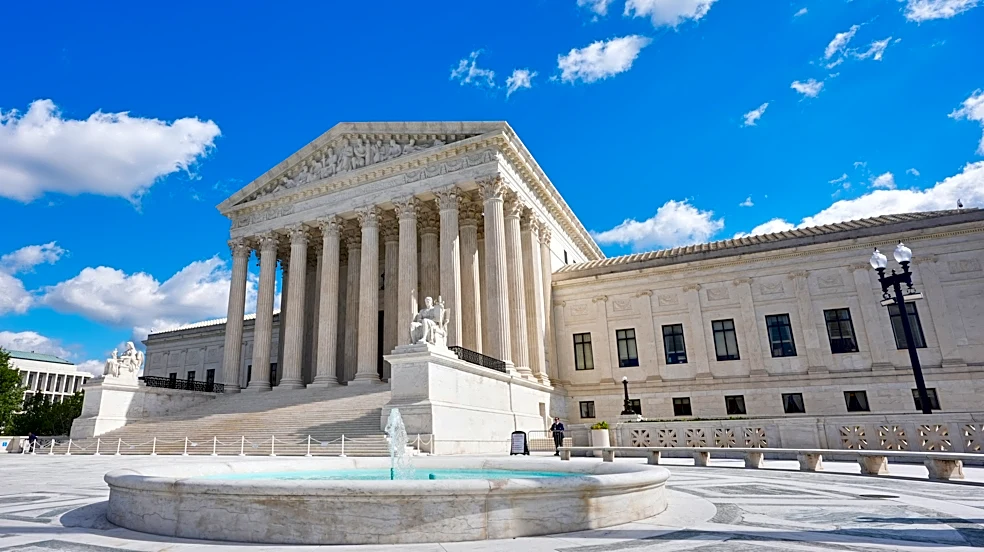
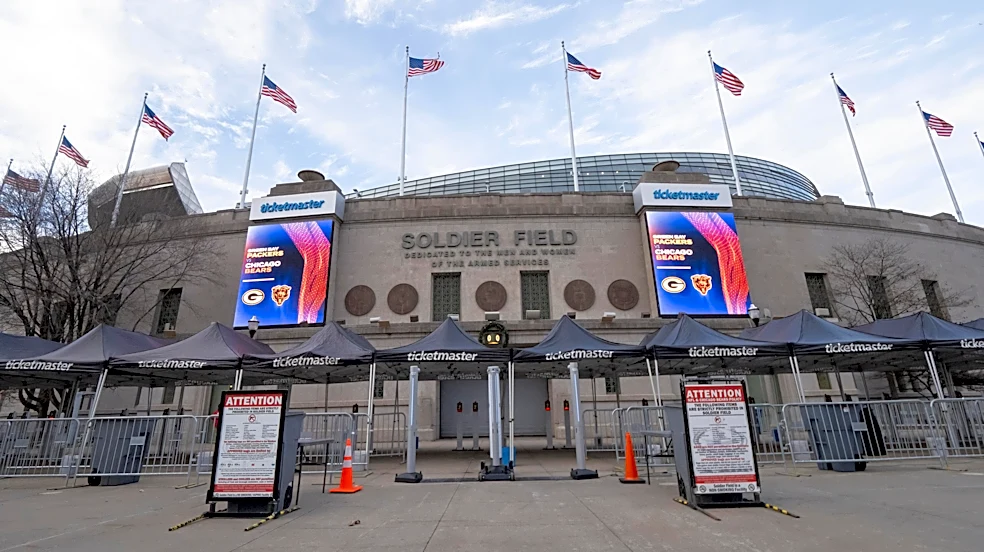
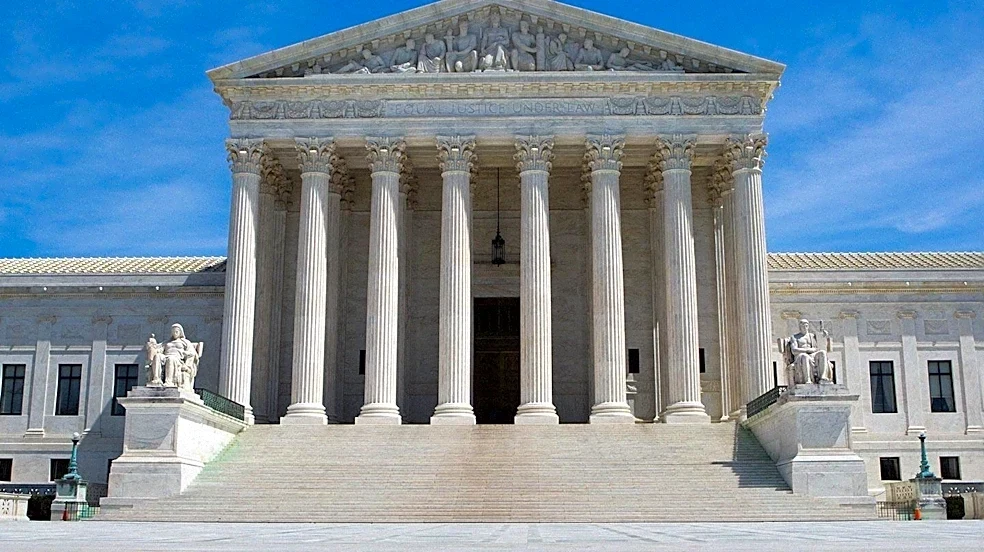
The Supreme Court has declined to hear O’Donnell v. City of Chicago, a case challenging Chicago's practice of seizing and selling vehicles over unpaid parking tickets. The case involved Ryan O’Donnell, whose Toyota was sold for $524.60 in unpaid tickets,
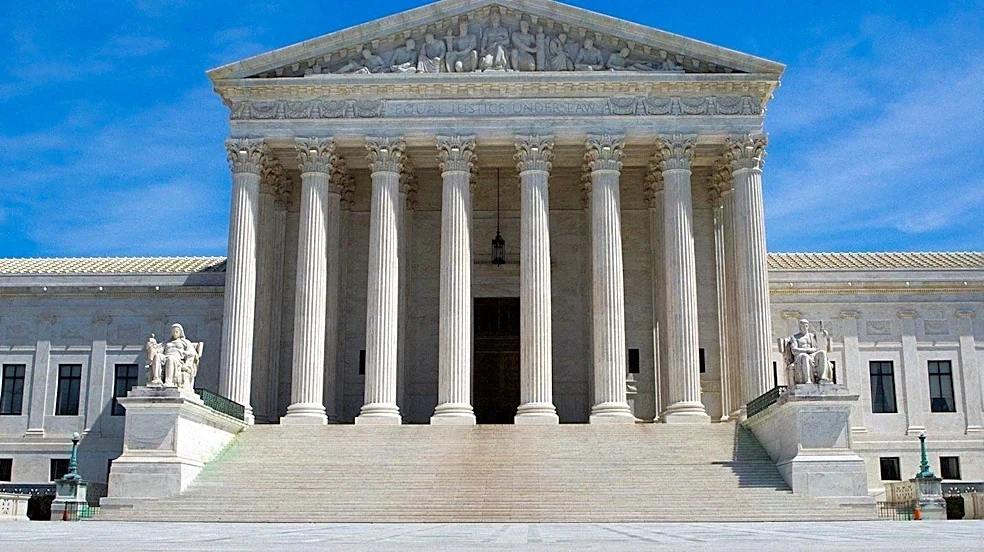
with the debt remaining and no proceeds returned, and Michael Goree, whose Chevrolet was seized due to a co-signer's ticket debt on a different car. Lower courts, including the 7th U.S. Circuit Court of Appeals, ruled in favor of the city, stating that Chicago's rules serve a punitive purpose as a legitimate extension of police enforcement power. Despite the Court's decision not to take up the case at this time, Justice Sonia Sotomayor, joined by Justice Neil Gorsuch, issued a statement expressing "serious concerns" about the lower court's conclusion and encouraging courts to ensure that deference to state police powers does not overshadow constitutional rights.
Why It's Important?
This case highlights a significant legal and social issue concerning municipal asset forfeiture and its impact on citizens' property rights, particularly for those with limited financial means. The alliance between Justice Sotomayor, a liberal, and Justice Gorsuch, a conservative, on this issue is notable, signaling a bipartisan concern regarding potential overreach by government entities in seizing private property. Their joint statement suggests that the legal battle over the 'Takings Clause' and due process in such cases is far from over. The men's lawyers argue that the 7th Circuit's ruling conflicts with the Supreme Court's 2023 decision in *Tyler v. Hennepin County*, which held that the government cannot keep surplus funds when a house is sold to pay off tax debt. This ongoing legal tension could lead to future challenges and potentially a different outcome if a similar case reaches the Supreme Court again, especially with the expressed concerns from two justices.
What's Next?
While the Supreme Court has passed on this specific case for now, the concerns raised by Justices Sotomayor and Gorsuch indicate that similar challenges to municipal asset forfeiture laws may eventually reach the high court. Their statement encourages lower courts to carefully consider constitutional rights when evaluating such cases, which could influence future rulings at the circuit and district court levels. The legal arguments presented by O'Donnell and Goree's lawyers, particularly the comparison to *Tyler v. Hennepin County*, suggest a potential path for future litigation. Civil liberties groups and advocates for property rights are likely to continue monitoring and challenging similar municipal practices across the country. The City of Chicago's car seizure law remains in effect, but the judicial scrutiny it has received at the highest level suggests that its constitutionality may be revisited in the future.
Beyond the Headlines
The Chicago car seizure case, and the Supreme Court's reaction to it, delves into the broader implications of how local governments use punitive measures to enforce regulations and collect debts. The practice of seizing and selling property, without returning surplus funds or clearing the original debt, raises ethical questions about fairness and proportionality in government actions. It also highlights the disproportionate impact such policies can have on vulnerable populations, who may lose essential assets like vehicles over relatively small debts. The unusual alignment of Justices Sotomayor and Gorsuch underscores that concerns about government overreach and the protection of constitutional rights can transcend traditional ideological divides. This case serves as a reminder of the ongoing tension between a city's need to enforce laws and collect revenue, and the fundamental rights of its citizens to due process and protection against excessive government takings.