






What's Happening?
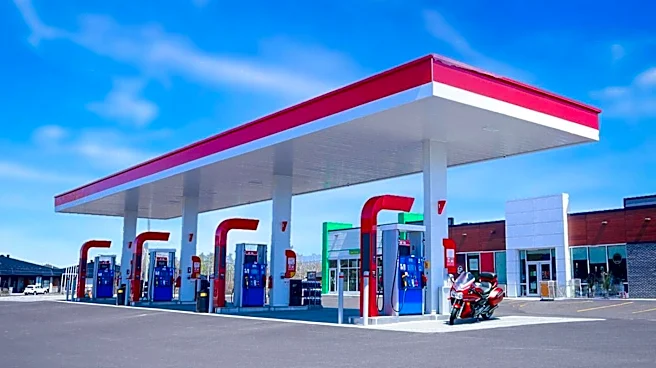
The Seneca Nation has confirmed its plans to construct a new Seneca One Stop fuel station on Nation land in Buffalo's Old First Ward. Work has already commenced along Ohio Street at 5 Miami Street, situated across from Tewksbury Lodge and near Resurgence
Brewing Company and Hartman's Distilling. Seneca Nation President J. Conrad Seneca stated that this investment aims to generate more economic activity in the area and alleviate congestion at the existing Seneca One Stop on Michigan Street. However, the decision has met with opposition from local businesses and residents, including Mike Santillo, owner of Mammoth Cannabis, and Buffalo Councilmember Mitch Nowakowski, who have expressed concerns about the project's impact on the neighborhood's character and existing businesses.
Why It's Important?
This development highlights the complex interplay between tribal sovereignty, urban development, and community interests in the United States. The Seneca Nation, operating on its sovereign land, is pursuing economic development that it believes will benefit its community and the broader Buffalo area. However, the project's location in a rapidly redeveloping urban neighborhood has sparked concerns among non-tribal businesses and residents who fear negative impacts on property values, local aesthetics, and the viability of other businesses that have invested in the area's revitalization. This situation underscores the challenges of integrating new commercial ventures, particularly those with potential environmental or aesthetic impacts like a fuel station, into established or emerging urban landscapes, especially when different jurisdictional authorities are involved.
What's Next?
The Seneca Nation expects the development project to be completed in the coming months. Despite the concerns raised by local businesses and Councilmember Nowakowski, the Seneca Nation's sovereign status means that municipal control over the project is limited. Councilmember Nowakowski has expressed a desire for further conversations, indicating that community dialogue and potential negotiations may continue. The situation could lead to ongoing discussions between the Seneca Nation, local government, and community stakeholders to address concerns and explore potential mitigation strategies. The success or challenges faced by this project could also set precedents for future development on tribal lands within or adjacent to urban areas, influencing how such projects are planned and integrated into surrounding communities.
Beyond the Headlines
This situation delves into the broader implications of tribal sovereignty within the context of modern urban development. While the Seneca Nation has the right to develop its land, the project's impact on the surrounding non-tribal community raises questions about inter-governmental relations, community engagement, and shared urban planning goals. It highlights the need for effective communication and collaboration between sovereign nations and local municipalities to ensure that development benefits all parties and minimizes negative externalities. The concerns about the fuel station's compatibility with the Old First Ward's evolving identity as a vibrant commercial and residential district also touch upon issues of urban aesthetics, quality of life, and the long-term vision for city neighborhoods. This case could serve as a significant example in discussions about balancing economic development, tribal rights, and community well-being.