








What's Happening?
Amid unprecedented heatwaves affecting regions like Europe and India, there is a growing disconnect between public concern for climate change and the immediate need for affordable energy. Recent surveys indicate that while voters acknowledge climate change as
an issue, their priority remains on energy affordability. This sentiment is echoed by political leaders and climate advocates who are shifting their messaging to emphasize economic benefits over environmental concerns. The Searchlight Institute's survey highlights that affordability, healthcare, and jobs are the top priorities for voters, with climate change trailing significantly. This shift in focus is partly due to the polarization of climate change discussions, which create a partisan divide, particularly between Republicans and Democrats.
Why It's Important?
The emphasis on affordability over climate change has significant implications for policy-making and public discourse. As energy costs rise, the demand for immediate economic relief overshadows long-term environmental strategies. This trend could hinder efforts to implement comprehensive climate policies, as political leaders may prioritize short-term economic gains over sustainable solutions. The polarization of climate change discussions further complicates bipartisan support for environmental initiatives. This shift in public focus could delay necessary actions to mitigate climate impacts, potentially exacerbating the effects of global warming and extreme weather events.
What's Next?
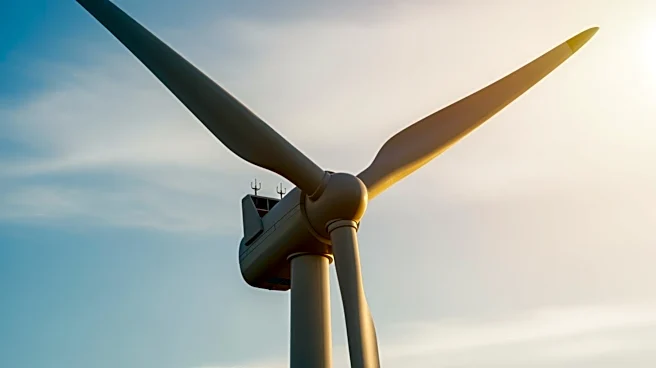
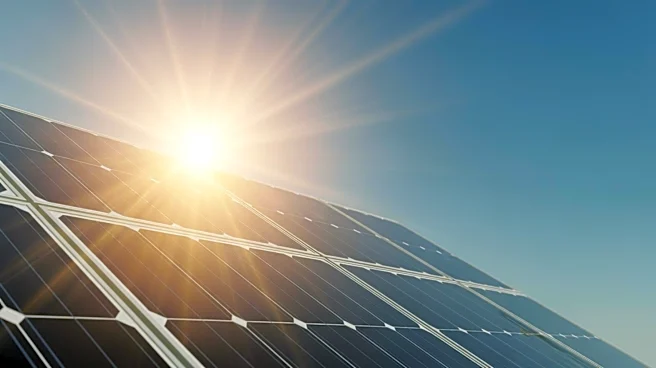
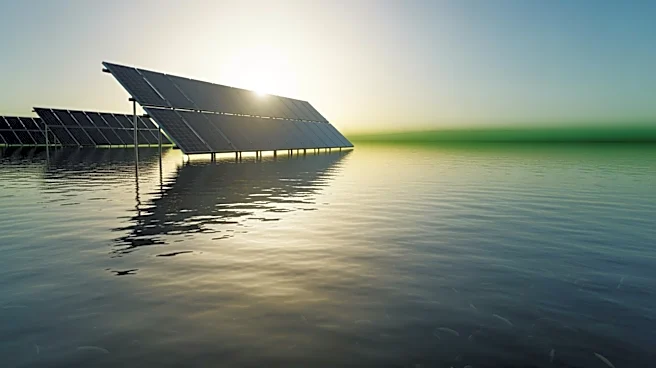
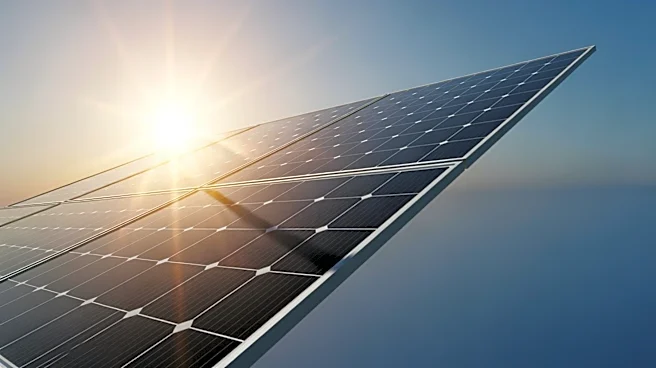
As climate advocates adjust their strategies to align with public priorities, there may be a push for policies that simultaneously address affordability and environmental concerns. This could involve promoting renewable energy sources as cost-effective alternatives to fossil fuels. Political leaders may also seek to bridge the partisan divide by framing climate policies in economic terms, highlighting job creation and energy savings. However, the challenge remains to maintain momentum for climate action while addressing immediate economic needs. The ongoing dialogue between affordability and environmental sustainability will likely shape future policy decisions and public attitudes.
Beyond the Headlines
The current focus on affordability over climate change raises ethical questions about societal priorities and the responsibility to future generations. The fossil fuel industry's influence on public perception and policy-making underscores the need for transparent and informed discussions about climate impacts. Additionally, the economic framing of climate issues may lead to innovative solutions that balance environmental and economic goals. However, the risk of deprioritizing climate action could have long-term consequences, potentially leading to more severe climate-related challenges in the future.