





What's Happening?
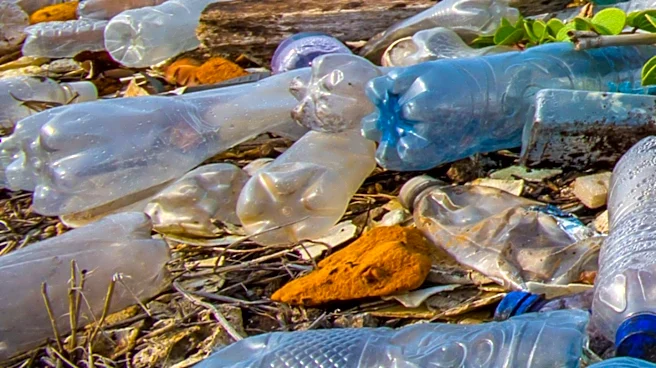
The United Nations has issued a stark warning regarding the global plastics crisis, describing the impacts of plastic production and pollution as a "catastrophe in the making." This crisis is significantly contributing to the triple planetary crisis of climate
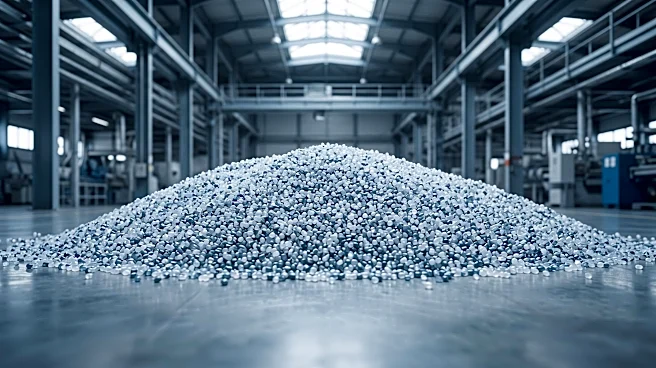
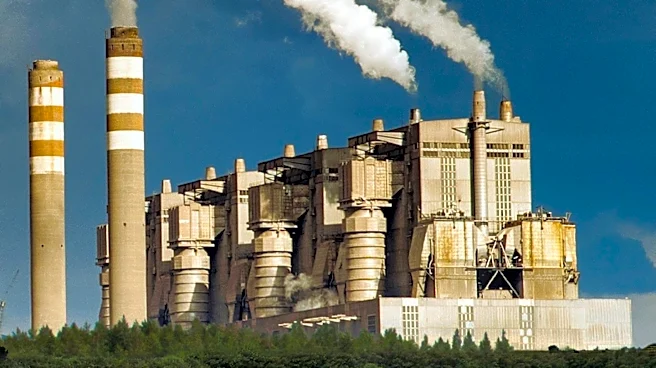
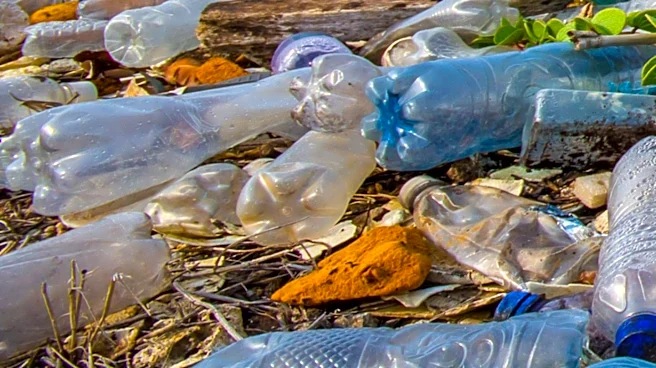
change, nature loss, and pollution. Plastic, particularly polystyrene and plastic cutlery, degrades into microplastic particles when exposed to sunlight, which then accumulate in the environment, from the highest mountaintops to the deepest oceans. Research by the Monterey Bay Aquarium, for instance, found microplastics at depths of over 3,200 feet and in every creature sampled in its bay. These microplastics contain toxic chemicals and pose serious environmental and health risks, accumulating in human organs. Furthermore, the fossil fuels used in plastic production are a major contributor to global greenhouse gas emissions, and plastics like polystyrene can fill up to 25-30% of the space in landfills, lasting almost indefinitely.
Why It's Important?
The UN's warning underscores the severe and far-reaching consequences of plastic pollution, which extend beyond visible waste to fundamental environmental and health systems. The pervasive nature of microplastics, found globally and within living organisms, highlights a systemic threat that impacts biodiversity, ecosystem health, and potentially human health through the food chain. Economically, the reliance on fossil fuels for plastic production perpetuates carbon emissions, hindering climate change mitigation efforts. The sheer volume of plastic waste also places immense pressure on waste management systems and land resources. For industries, particularly hospitality, there's a growing imperative to adopt sustainable practices, moving away from single-use plastics to avoid contributing further to this crisis and to meet evolving consumer and regulatory demands for environmental responsibility. Failure to address this could lead to increased health burdens, ecological collapse, and significant economic costs associated with cleanup and remediation.
What's Next?
Addressing the global plastics crisis will require a multi-faceted approach, including a push for a legally binding global plastics treaty, as supported by nations like Fiji. This treaty would aim to cover the entire lifecycle of plastics, from production to disposal, promoting a more circular economy. In the hospitality sector, there's an anticipated shift towards contractual requirements for plastic-free operations, with hotels expected to provide reusable china, glassware, and metal flatware. If disposables are necessary, they should be compostable, fiber-based, or reusable, with plastic plates, cups, cutlery, straws, stirrers, and condiment packets being phased out. Consumers and organizations are expected to increasingly demand and enforce these sustainable practices. Continued scientific research will also be crucial to better understand the long-term impacts of microplastics and to develop innovative, sustainable alternatives.
Beyond the Headlines
The plastics crisis reveals deeper ethical and systemic issues related to industrial production and consumption patterns. The concept of 'forever chemicals' and materials that do not biodegrade challenges the traditional linear economic model of 'take, make, dispose.' This situation prompts a re-evaluation of corporate responsibility, consumer choices, and governmental regulation in managing the environmental footprint of products. The disproportionate impact on vulnerable ecosystems and communities also raises questions of environmental justice. The crisis highlights the need for a paradigm shift towards sustainable design, material innovation, and a greater emphasis on the precautionary principle in introducing new materials into the economy, ensuring their long-term environmental and health impacts are thoroughly assessed before widespread adoption.