



What's Happening?
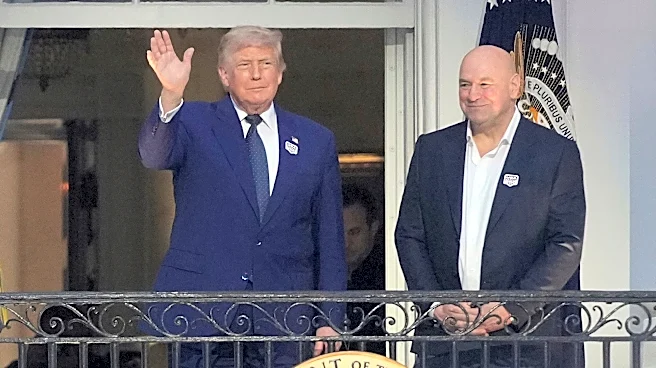
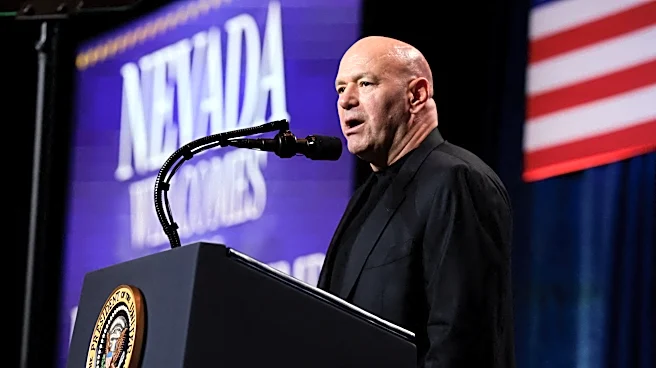
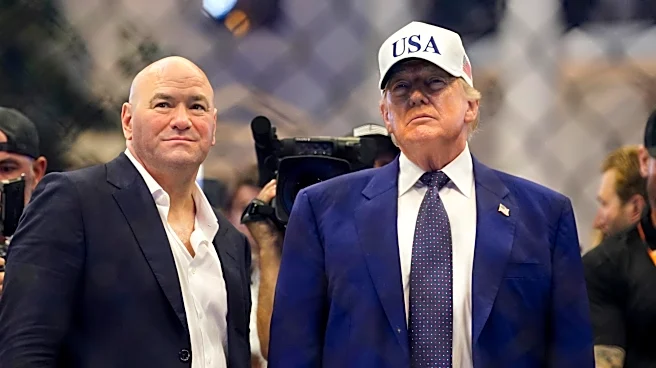
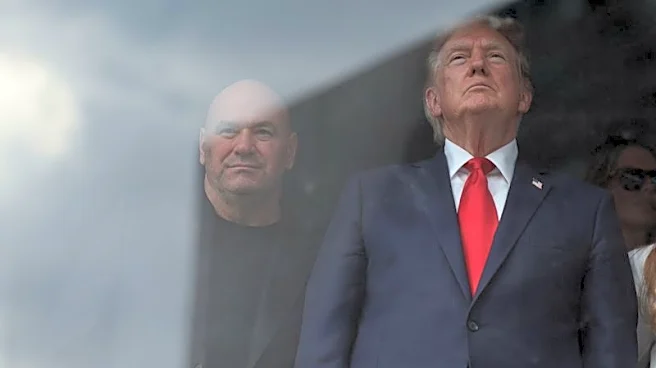
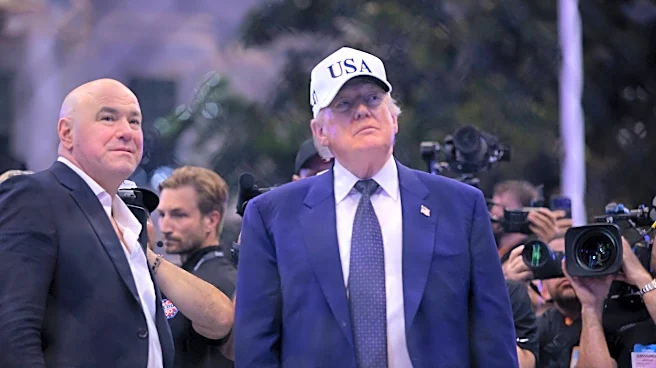
UFC President Dana White clarified that his recent meeting with President Trump at the White House was primarily to get an autograph, not to accept a rumored offer for the vacant White House press secretary position. President Trump had humorously claimed
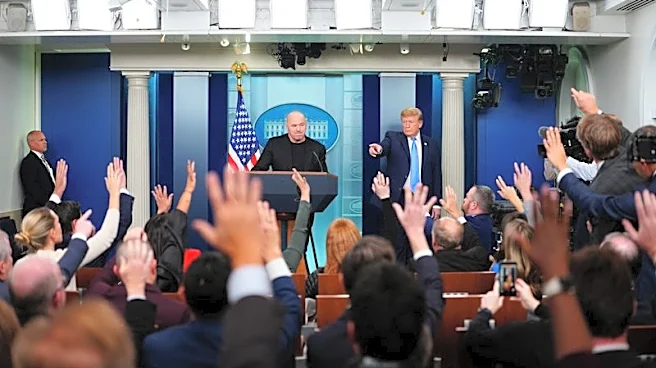
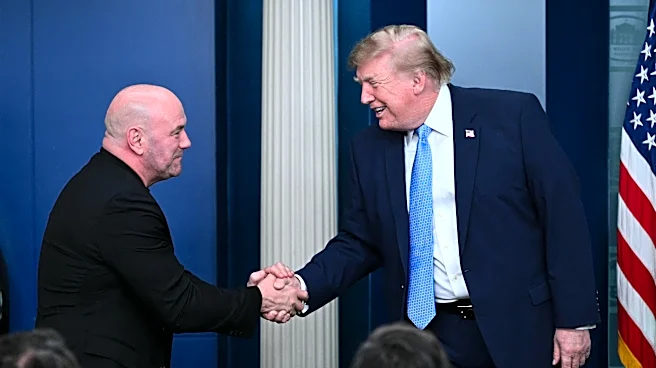
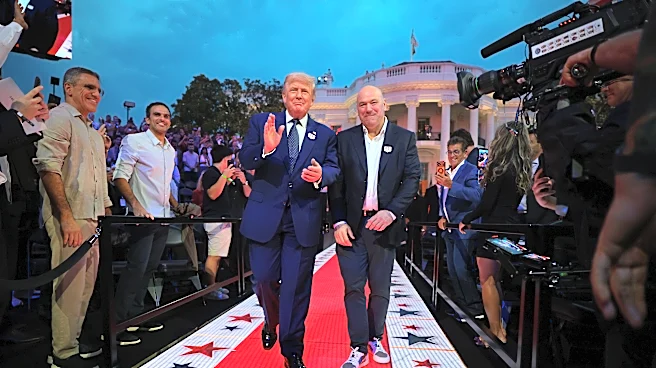
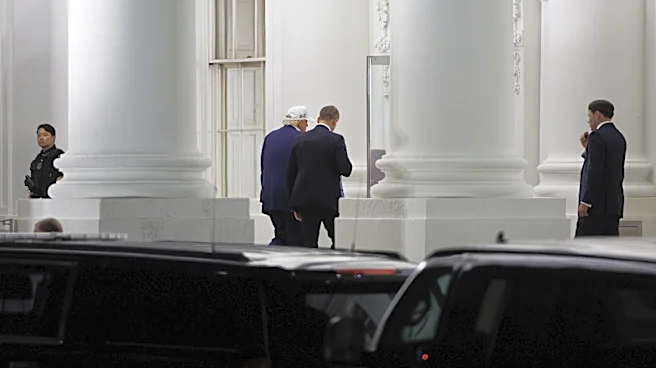
on social media over the weekend that he offered White the job. White confirmed that while he did meet with President Trump in the Oval Office and even led an impromptu press briefing, he officially declined the offer. It was later revealed that the meeting had been planned prior to the job offer and was related to UFC Freedom 250. White explained to TMZ that the real reason for his visit was to have President Trump sign a unique, one-of-one trading card. This card features patches worn by both White and President Trump during a previous UFC event held at the White House, and it is part of a series of White House card packs.
Why It's Important?
This event highlights the intersection of sports, celebrity, and politics, particularly concerning high-profile figures like Dana White and President Trump. The public's reaction to President Trump's humorous job offer and White's subsequent clarification underscores the informal yet impactful ways political figures can engage with public figures from other sectors. For the UFC, White's presence at the White House, even for a non-political reason, can enhance the organization's visibility and perceived influence. The creation of a unique trading card featuring both figures also taps into the collectible market, potentially generating interest and revenue. This interaction, while seemingly lighthearted, reflects the ongoing relationship between President Trump and the UFC, a connection that has been cultivated over many years and continues to draw public attention.
Beyond the Headlines
The incident of President Trump's playful job offer to Dana White and White's subsequent visit to the White House for an autograph reveals deeper aspects of modern political communication and celebrity culture. It demonstrates how social media can be used by political figures to create buzz and engage with the public in unconventional ways, blurring the lines between serious political discourse and entertainment. The ease with which a high-profile sports figure can access the White House for a personal item like an autograph also speaks to the unique access and relationships that can form between political leaders and influential personalities. This event, while seemingly minor, contributes to the broader narrative of how political figures leverage celebrity endorsements and interactions to maintain public engagement and shape their image, often bypassing traditional media channels.