
What's Happening?
The ongoing military offensive by Israel in Lebanon has resulted in significant destruction, particularly affecting the agricultural sector. According to Lebanon's Public Ministry of Health, Israeli airstrikes
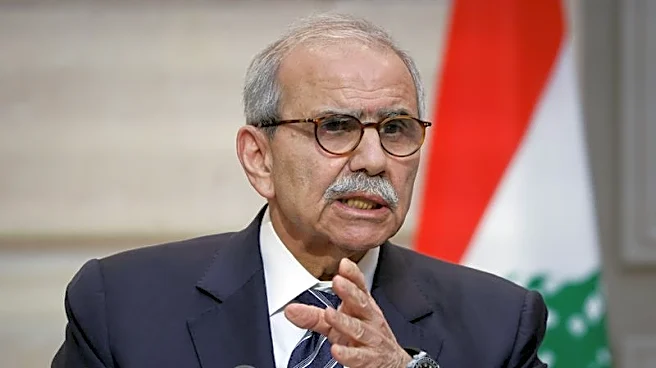
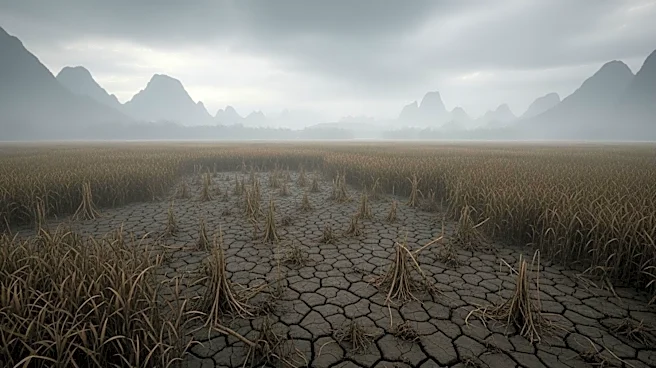
have led to the deaths of at least 10 individuals, including women and children, in southern Lebanon. Since the escalation of conflict on March 2, there have been 2,759 fatalities and over 8,500 injuries reported. The militant group Hezbollah has claimed responsibility for attacks on Israeli military positions, marking an increase in hostilities. The Israeli Defense Forces (IDF) have responded by intercepting projectiles and issuing warnings about potential escalations. The conflict has severely impacted agriculture, with 78% of farmers displaced and significant damage to crops and beehives. Lebanese President Joseph Aoun is preparing for negotiations with Israeli counterparts, demanding a halt to military actions before direct talks.
Why It's Important?
The conflict between Israel and Lebanon has broader implications for regional stability and international relations. The destruction of agricultural land threatens food security and economic stability in Lebanon, exacerbating existing humanitarian challenges. The involvement of Hezbollah and the IDF's military responses could lead to further escalations, potentially drawing in other regional actors. The situation also poses a challenge for international diplomatic efforts aimed at achieving a ceasefire and long-term peace. The displacement of farmers and destruction of crops could have lasting impacts on Lebanon's economy, increasing reliance on international aid and complicating recovery efforts.
What's Next?
Negotiations between Lebanese and Israeli officials are scheduled to continue, with President Aoun insisting on a cessation of Israeli military actions as a precondition for direct talks. The international community, including the United Nations, may increase diplomatic pressure to prevent further escalation and address humanitarian needs. The situation remains volatile, with potential for further military engagements and political negotiations shaping the future of the conflict.
Beyond the Headlines
The conflict highlights the complex interplay of military, political, and humanitarian issues in the region. The destruction of agricultural land not only affects immediate food supply but also has long-term implications for Lebanon's economic recovery and stability. The involvement of Hezbollah and the IDF underscores the persistent security challenges and the potential for broader regional conflicts. The situation also raises questions about international law and the protection of civilians in conflict zones.