







What's Happening?
Chiang Mai, Thailand, is a popular destination known for its vibrant cafe culture along the Mae Kha Canal, featuring establishments like Dorle Chiang Mai, and diverse dining options such as Ristr8to Original and Khao Soi Maesai. The city also offers unique
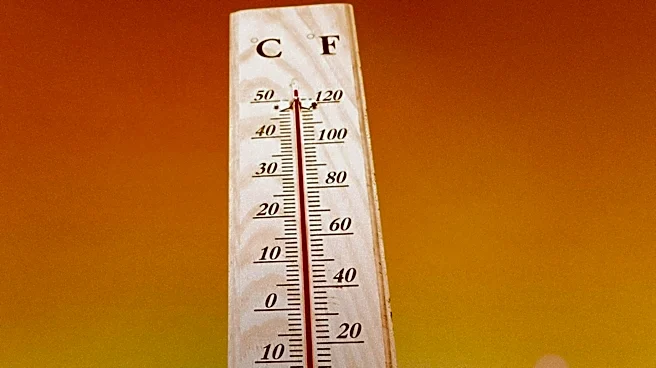
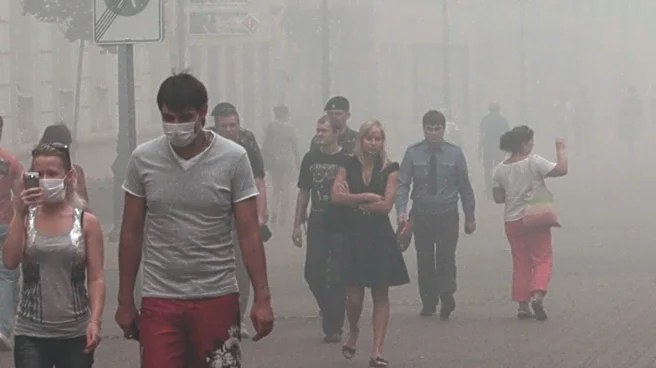
accommodations like Le Cannes Hotel. However, in April, Chiang Mai experiences its hottest period, coinciding with an agricultural burning season that can lead to poor air quality. Despite these conditions, local operators and travel guides emphasize that the challenges are manageable and do not necessarily deter travel plans. The Songkran festival, a new-year celebration involving water throwing, is strategically timed to coincide with the hot weather, offering a cultural response to the heat. Air quality varies significantly year to year and week to week, with conditions typically improving as the season progresses and rains approach. Publicly available readings allow travelers to check live data before their trip.
Why It's Important?
The management of seasonal environmental challenges in popular tourist destinations like Chiang Mai has significant implications for the global tourism industry, including U.S. travelers. For U.S. tour operators and travel agencies, transparent communication about potential heat and air quality issues is crucial for maintaining credibility and managing client expectations. The ability to offer practical solutions, such as air-conditioned transport, strategically planned itineraries that avoid peak heat, and accommodations providing easy retreats, can differentiate service providers. This approach helps ensure a positive travel experience, even during less ideal weather conditions, and can influence booking decisions. Furthermore, the emphasis on checking live environmental data empowers travelers, shifting the responsibility for real-time assessment to the individual while highlighting the importance of informed decision-making in travel planning.
What's Next?
Travel agents and tour operators are advised to proactively address client concerns regarding April travel to Chiang Mai by providing honest and detailed information about the heat and air quality. This includes explaining that April is the hottest month and that the Songkran festival is a cultural adaptation to this heat. They should also inform clients about the agricultural burning season and the variability of air quality, directing them to public sources for live air quality data. For clients with respiratory conditions or very young children, alternative travel months or coastal destinations within Thailand may be recommended. The current programming for April in Chiang Mai already incorporates measures to mitigate discomfort, such as early morning activities, unscheduled festival days, air-conditioned transport, and walkable bases for easy indoor retreats. These strategies will likely continue to be refined to enhance visitor comfort.
Beyond the Headlines
The situation in Chiang Mai highlights a broader trend in global tourism where environmental factors, particularly climate and air quality, are increasingly influencing travel decisions and destination management. This necessitates a shift towards more transparent and adaptive tourism practices. The ethical dimension involves ensuring that tourists are fully informed about potential health and comfort challenges, rather than downplaying them, to allow for responsible travel choices. Culturally, the Songkran festival exemplifies how local traditions can be deeply intertwined with environmental conditions, offering unique experiences that are a direct response to the climate. Long-term, destinations like Chiang Mai may need to invest further in sustainable agricultural practices to reduce burning, or develop more robust public health advisories and infrastructure to support tourism during challenging environmental periods, potentially leading to a re-evaluation of peak travel seasons.