











What's Happening?
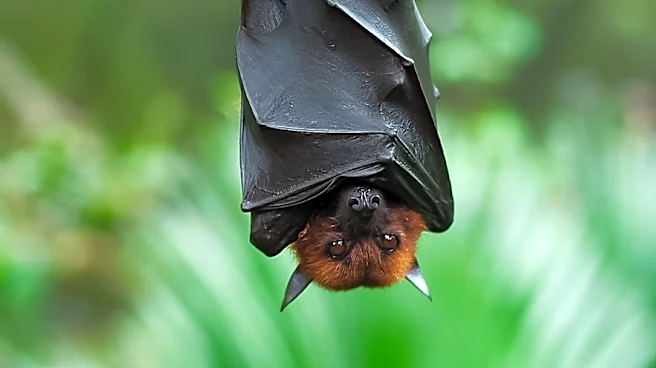
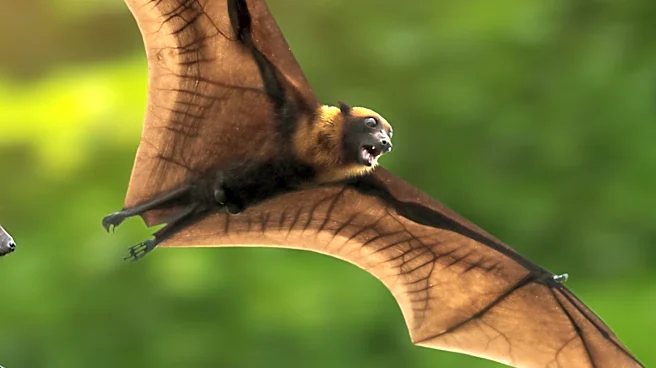
An 11-year-old boy in Ontario, Canada, died from rabies after waking up to a bat on his face, marking the first locally acquired human rabies case in the region since 1967. The boy initially showed symptoms such as facial numbness and vomiting, which
were misdiagnosed as Bell's palsy. His condition deteriorated rapidly, leading to a diagnosis of rabies after doctors learned of his contact with a bat. Despite aggressive treatment, the boy succumbed to the disease after more than two weeks in the hospital. This case underscores the critical importance of seeking immediate medical evaluation following any direct contact with bats, as rabies is almost always fatal once symptoms appear.
Why It's Important?
The tragic incident serves as a stark reminder of the dangers posed by rabies, a viral disease that attacks the central nervous system and is nearly always fatal once symptoms manifest. It highlights the need for public awareness about the risks associated with wildlife encounters, particularly with bats, which are the primary carriers of rabies in North America. The case also emphasizes the importance of timely medical intervention, as post-exposure treatment can prevent the onset of the disease. Public health officials continue to stress the need for education on avoiding contact with wild animals and seeking medical care after potential exposure.