



What's Happening?
The United Nations Educational, Scientific and Cultural Organization (UNESCO) has provided its perspective on Jamaica’s Green Paper for the National Policy for Culture, Entertainment and the Creative Economy 2025–2035. This engagement occurred during
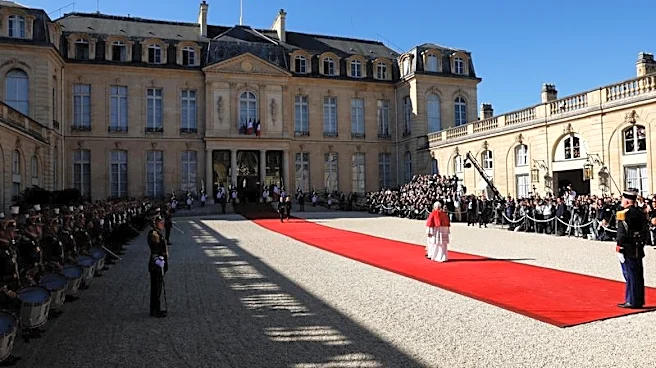
a session with a Joint Select Committee of the Houses of Parliament in Jamaica. UNESCO, established in 1945, is dedicated to promoting the protection of the world's cultural and natural heritage. The organization's involvement highlights its role in supporting member states in developing policies that safeguard and promote their cultural sectors. This initiative by Jamaica aims to create a comprehensive framework for its culture, entertainment, and creative industries, recognizing their significant contributions to the national economy and identity. UNESCO's input is part of its broader mission to foster international cooperation in education, science, and culture, and to address contemporary challenges, including those related to the evolving nature of communication, as discussed at its headquarters in Paris.
Why It's Important?
This collaboration between UNESCO and Jamaica is important as it underscores the growing global recognition of the creative economy as a vital sector for sustainable development. For Jamaica, the development of a national policy for culture, entertainment, and the creative economy signifies a strategic move to formalize and enhance an industry that is a significant contributor to its GDP and global brand. The input from an international body like UNESCO provides expert guidance and aligns Jamaica's efforts with international best practices and standards for cultural heritage protection and creative industry development. This can lead to increased investment, improved infrastructure, and better protection of intellectual property rights within these sectors. Furthermore, it can strengthen Jamaica's position as a cultural hub, attracting tourism and fostering international collaborations, ultimately benefiting artists, cultural practitioners, and the broader economy. The policy's success could serve as a model for other nations looking to leverage their cultural assets for economic growth and social well-being.
What's Next?
Following UNESCO's input, the Joint Select Committee of the Houses of Parliament in Jamaica will likely review the feedback and integrate relevant recommendations into the Green Paper. The next steps will involve further consultations with various stakeholders, including artists, industry professionals, and community representatives, to refine the policy document. The aim is to develop a robust and inclusive National Policy for Culture, Entertainment and the Creative Economy that addresses the specific needs and opportunities within Jamaica's context. Once finalized, the policy will be presented for parliamentary approval, leading to its official implementation. This will set the stage for new programs, funding initiatives, and regulatory frameworks designed to support and grow Jamaica's creative sectors. The ongoing dialogue with international organizations like UNESCO may continue, providing further technical assistance and opportunities for capacity building as the policy moves from conceptualization to execution.
Beyond the Headlines
Beyond the immediate policy development, this initiative reflects a broader global trend towards valuing and investing in cultural and creative industries as drivers of economic diversification and social cohesion. For Jamaica, a nation renowned for its vibrant music, art, and cultural expressions, formalizing this sector through a national policy can help address long-standing issues such as inadequate infrastructure, limited access to financing, and intellectual property rights challenges. The involvement of UNESCO also highlights the ethical dimension of cultural preservation and promotion, ensuring that economic development does not come at the expense of cultural authenticity or heritage. This policy could foster a more equitable distribution of benefits within the creative economy, empowering local artists and cultural entrepreneurs. It also signals a shift towards a more holistic understanding of national development, where cultural capital is recognized alongside economic and social capital as essential for a thriving society.