




What's Happening?
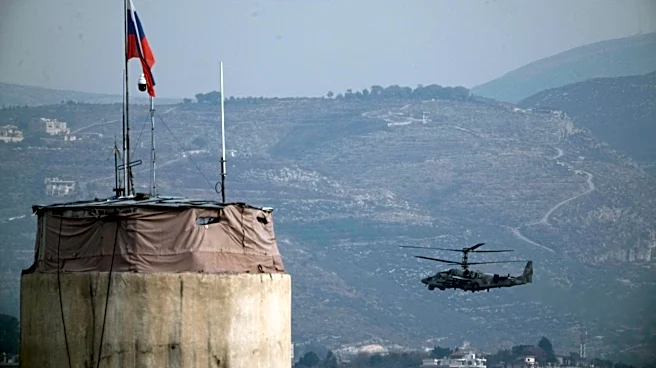
Syria and Russia have signed a memorandum of understanding to reorganize Russia's military presence in Syria. This agreement, reported by the Syrian news agency SANA, follows 18 months of negotiations led by Syria's Ministry of Foreign Affairs and Expatriates.
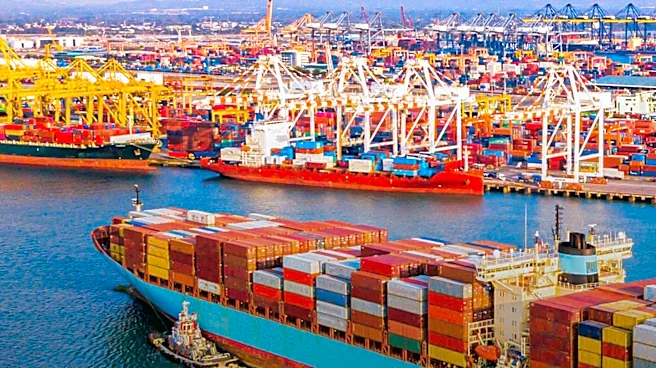
The memorandum outlines the future status of Russian facilities at Hmeimim and Tartus, with Syria taking control of facilities designated for civilian use, such as Hmeimim Airport and a commercial berth at the Port of Tartus. The agreement also includes plans to convert Russian military bases into joint training and qualification centers. The transition process is expected to be completed within three months, after which the new arrangements will take effect.
Why It's Important?
This development is significant as it marks a shift in the military dynamics within Syria, potentially reducing Russia's military footprint in the region. The reorganization of Russian bases into joint training centers could lead to increased Syrian autonomy over its military facilities and a shift in regional power dynamics. For Russia, maintaining a presence at strategic locations like Hmeimim and Tartus is crucial for its influence in the Middle East. The agreement may also reflect broader geopolitical strategies, as Russia seeks to consolidate its military resources while maintaining strategic alliances.
What's Next?
The next steps involve the implementation of the memorandum, with a three-month deadline for the transition. This period will likely involve logistical and administrative adjustments as Syria integrates the civilian facilities into its administration. The conversion of military bases into training centers will require coordination between Russian and Syrian military officials. Observers will be watching for any changes in regional security dynamics and the potential impact on Syria's relations with other countries, particularly those in the Middle East.
Beyond the Headlines
The reorganization of Russian military bases in Syria could have long-term implications for regional stability and security. It may influence Syria's internal politics and its relationships with neighboring countries. Additionally, the shift could affect Russia's military strategy and its ability to project power in the Middle East. The agreement might also set a precedent for how foreign military presences are managed in conflict zones, potentially influencing future negotiations in other regions.