
What's Happening?
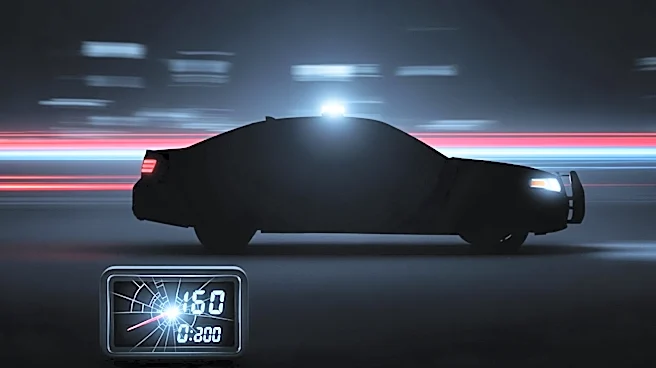
A new tool designed to end high-speed police chases is facing criticism for its high cost and questionable effectiveness. The device, which costs taxpayers at least $5,000 per unit, is intended to safely
stop fleeing vehicles. However, police departments have expressed skepticism about its practicality, and the manufacturer’s claim of an 86% success rate lacks independent verification. Critics argue that the tool requires officers to maneuver dangerously close to speeding vehicles, posing risks to both officers and the public. The debate highlights broader concerns about the allocation of resources to law enforcement and the potential dangers of high-speed pursuits.
Why It's Important?
The introduction of this new tool raises important questions about the priorities and strategies of law enforcement agencies. High-speed chases are inherently dangerous, often resulting in accidents and injuries to bystanders. Critics argue that investing in expensive technology to facilitate these chases may not be the best use of public funds, especially when the effectiveness of the tool is in doubt. The issue also touches on broader societal debates about policing practices, public safety, and the role of technology in law enforcement. As communities grapple with these challenges, there is a growing call for alternative approaches that prioritize safety and accountability.
What's Next?
The controversy surrounding this new police tool may prompt further scrutiny of law enforcement practices and spending. Policymakers and community leaders could push for more comprehensive evaluations of the tool’s effectiveness and explore alternative strategies for handling high-speed chases. This could include investing in training for officers to de-escalate situations without resorting to dangerous pursuits or exploring non-technological solutions that prioritize public safety. The ongoing debate may also influence future decisions about law enforcement funding and the adoption of new technologies.