






What's Happening?
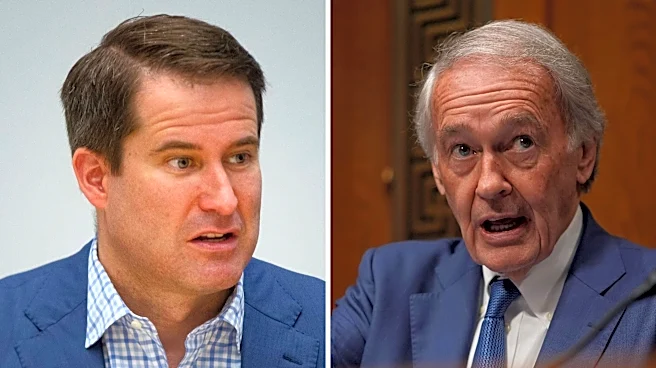
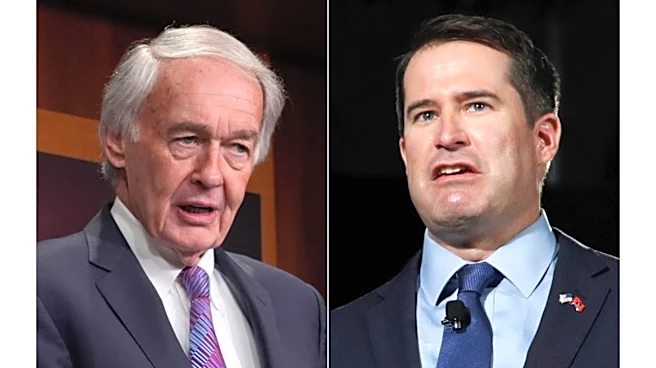
Senator Ed Markey, an 80-year-old Massachusetts Democrat, is facing a primary challenge from 47-year-old Representative Seth Moulton. Moulton's campaign centers on the need for 'generational change' and questions Markey's age and grasp of modern technology,
citing a recent debate where Markey appeared unclear about AI platforms. Markey, who has served in Congress for decades, including 37 years in the House before his Senate election in 2013, is campaigning on his long-standing progressive ideals, such as the Green New Deal and Medicare for All. Despite Moulton's focus on age, Markey has garnered significant support from progressive figures like Senator Elizabeth Warren and Senator Bernie Sanders, and has strong backing from young voters and college Democratic groups who prioritize his policy positions over his age. This primary is seen by some as a clash of ambition and efforts to secure future Democratic power in the state, rather than purely ideological differences.
Why It's Important?
This primary election in Massachusetts highlights a broader national debate within the Democratic Party regarding generational change versus established progressive leadership. The outcome could influence future primary strategies, particularly in states with long-serving incumbents. If Markey wins, it would demonstrate that progressive credentials and a strong policy record can outweigh age concerns, even in an environment where younger candidates are increasingly challenging older incumbents. Conversely, a Moulton victory could signal a growing demand among Democratic voters for new leadership and a perceived need for politicians who are more attuned to contemporary technological and societal issues. The race also reflects the internal struggle within the Democratic Party to define 'progressivism' and whether it prioritizes experience and a consistent ideological stance or a fresh perspective and adaptability to new challenges. The result will be closely watched by other older incumbents and potential challengers across the country.
What's Next?
The Massachusetts Democratic primary election is scheduled for Tuesday, September 1st. The results of this election will determine whether Senator Markey secures another term or if Representative Moulton will advance to the general election. Regardless of the outcome, the campaign has brought to the forefront discussions about age, experience, and technological literacy in political leadership. If Markey wins, he has stated this would be his last term, potentially opening up the seat in 2032. If Moulton is successful, it could embolden other younger Democrats to challenge established incumbents in future elections. The broader implications for the Democratic Party's messaging on generational change and its appeal to different voter demographics will also be observed. The state is also considering a ballot question in November to eliminate primaries in favor of a non-partisan, top-two system, which could significantly alter future election dynamics in Massachusetts.
Beyond the Headlines
The Massachusetts Senate primary delves into the complex interplay between political experience, generational shifts, and the evolving definition of progressive politics. While Representative Moulton frames the contest around age and the need for leaders who understand emerging technologies like AI, Senator Markey's campaign emphasizes the enduring relevance of his progressive policy agenda. This dynamic raises questions about how voters weigh a candidate's long-term legislative record against their perceived ability to adapt to new challenges. The debate over Markey's understanding of AI, for instance, touches upon the broader societal concern about the digital literacy of policymakers in an increasingly technology-driven world. Furthermore, the race highlights the internal tensions within the Democratic Party, where the desire for fresh faces and new perspectives sometimes clashes with the value placed on established progressive champions. The outcome could set a precedent for how the party navigates these internal conflicts and shapes its future leadership.