





What's Happening?
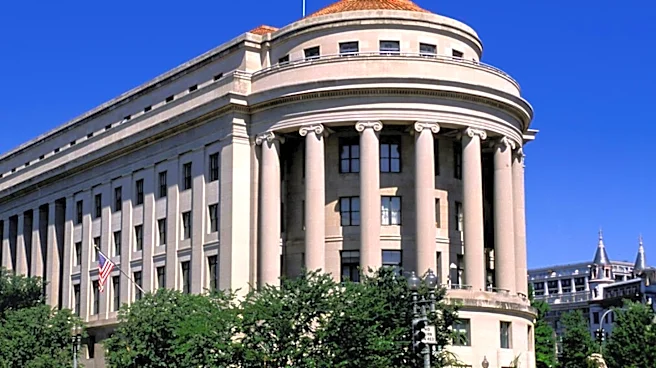
The Justice Department has moved to disqualify the law firm Susman Godfrey from representing the American Bar Association (ABA) in a lawsuit challenging executive orders from the Trump administration. These orders allegedly targeted certain law firms
by stripping them of security clearances and government contracts. The DOJ argues that Susman Godfrey, having been subpoenaed for its communications with the administration, is now a fact witness and cannot serve as both advocate and witness in the case. The ABA's lawsuit claims these orders had a chilling effect on the legal profession, discouraging firms from taking on pro bono immigration work. The DOJ's motion to disqualify is based on Rule 3.7 of the D.C. Rules of Professional Conduct, which prohibits a lawyer from serving as both advocate and witness in the same matter.
Why It's Important?
This legal maneuver by the DOJ highlights the ongoing tension between the Trump administration and the legal community, particularly regarding the administration's use of executive orders to influence legal practices. The outcome of this case could have significant implications for the legal profession, potentially affecting how law firms engage in pro bono work and their willingness to challenge government actions. The case also underscores the broader issue of executive power and its limits, as well as the role of the legal system in checking that power. If the DOJ succeeds in disqualifying Susman Godfrey, it could set a precedent for how similar cases are handled in the future, impacting the legal strategies of firms involved in politically sensitive cases.
What's Next?
The ABA is expected to respond to the DOJ's motion by July 27. The court's decision on whether to disqualify Susman Godfrey will be a critical next step in the case. If the firm is disqualified, the ABA may need to find new representation, potentially delaying proceedings. The case will continue to draw attention from legal professionals and civil rights advocates, who are closely watching how the courts will balance the interests of government authority and legal advocacy.