






What's Happening?
The United States has started importing Iraqi fuel oil through a new route via Syria, marking the first time such shipments have been destined for the U.S. This development comes as Iraq seeks alternative export routes due to disruptions in the Strait
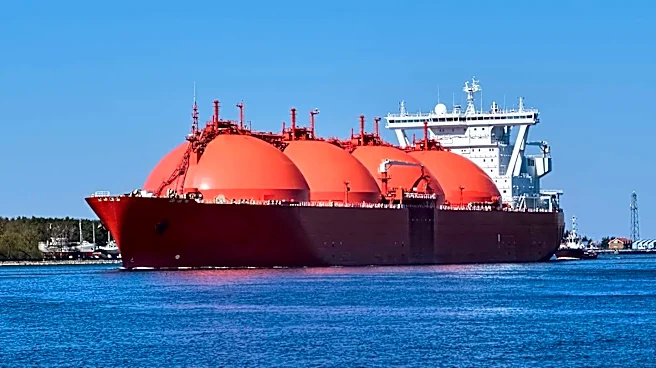
of Hormuz, a critical passage for Gulf oil exports, which has been effectively closed amid ongoing conflict in the region. Three Aframax tankers have already transported fuel oil from Syria's Mediterranean port of Baniyas to the U.S. Gulf Coast. This strategic move is part of Iraq's broader plan to diversify its export routes and reduce reliance on the Strait of Hormuz.
Why It's Important?
The establishment of this new export route highlights the shifting dynamics in global oil trade, driven by geopolitical tensions and the need for supply chain resilience. For the U.S., securing alternative sources of fuel oil is crucial to maintaining energy stability, especially in light of potential supply disruptions from traditional Gulf suppliers. This development also underscores the strategic importance of Syria's Mediterranean ports in facilitating regional trade, potentially altering the balance of power in Middle Eastern oil exports. The move could have significant implications for global oil markets, influencing prices and trade flows.
What's Next?
As Iraq continues to expand its use of the Syrian corridor, further shipments of crude oil and naphtha may follow, pending the necessary infrastructure upgrades at Syrian ports. The U.S. and other countries may increasingly rely on this route if disruptions in the Strait of Hormuz persist. Additionally, the geopolitical landscape in the Middle East will likely influence the stability and security of these new trade routes. Stakeholders, including governments and oil companies, will need to navigate these complexities to ensure uninterrupted energy supplies.