




What's Happening?
PacifiCorp, operating as Pacific Power and owned by Berkshire Hathaway Energy, has filed a request with the California Public Utilities Commission (CPUC) to implement a substantial 57% electricity rate increase for its approximately 46,000 customers in California.
If approved, this $103.4 million rate hike would take effect on January 1, 2027. For residential Schedule D customers with average usage, this would mean an additional monthly cost of $121.15, while customers receiving the CARE discount would see an average monthly increase of $90.24. The proposed increases vary slightly by customer class, ranging from 55.6% to 58%. PacifiCorp attributes the need for this increase to inflation, higher wildfire insurance premiums, and significant spending on wildfire prevention efforts, consolidating three years of investment into this single rate proceeding. The utility's last general rate increase for its California customers was in 2023.
Why It's Important?
This proposed 57% rate hike is exceptionally high and would place a significant financial burden on PacifiCorp's California customers, many of whom are already grappling with rising living costs. The justification for the increase—inflation, wildfire insurance, and prevention—highlights the growing economic challenges faced by utilities in fire-prone regions. While wildfire mitigation is crucial for safety and preventing catastrophic damage, the costs associated with these efforts are increasingly being passed directly to consumers. This situation intensifies scrutiny on utility oversight and rate-setting processes in California, a state already known for its high electricity costs. The outcome of this request will set a precedent for how utilities balance the need for infrastructure investment and safety measures with consumer affordability, potentially influencing future rate requests across the state.
What's Next?
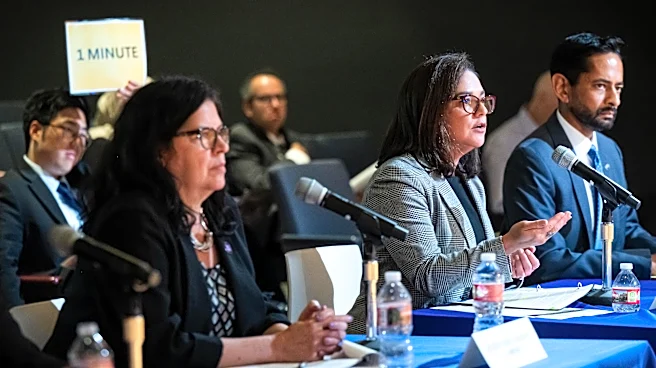
The California Public Utilities Commission (CPUC) will undertake a review process that could span several months to evaluate PacifiCorp's request. During this period, public input and detailed financial scrutiny will likely occur. It is not guaranteed that the proposed rate hike will be approved in its current form, as evidenced by a previous request in 2022 for a 25.7% increase that was ultimately approved at 17.5% in late 2023. Additionally, a separate, scheduled rate decrease of 14% is set to take effect on January 1, 2027, which could partially offset any approved increase. Customers may also explore alternatives like rooftop solar, with some providers offering $0-down options that claim significant monthly bill savings.
Beyond the Headlines
The magnitude of PacifiCorp's proposed rate increase underscores a broader systemic issue in California: the escalating costs of climate change adaptation and mitigation, particularly concerning wildfires. Utilities are facing immense pressure to invest in hardening their infrastructure against climate risks, but the question of who ultimately bears these costs remains contentious. This situation could lead to renewed calls for innovative funding mechanisms, government subsidies, or alternative utility ownership models to prevent essential services from becoming unaffordable. It also highlights the complex regulatory environment where commissions must balance utility financial health, safety imperatives, and consumer protection. The long-term implications could include increased energy poverty, greater adoption of distributed energy resources like solar, and ongoing debates about the role of private utilities in managing public safety risks in an era of climate change.