








What's Happening?
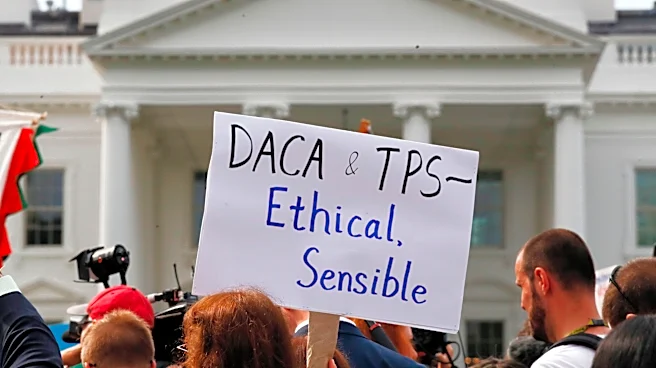
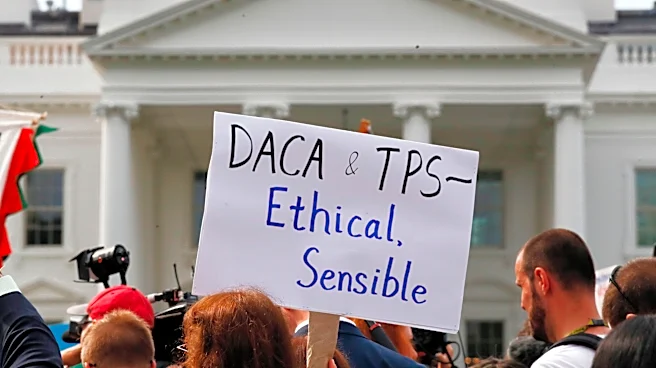
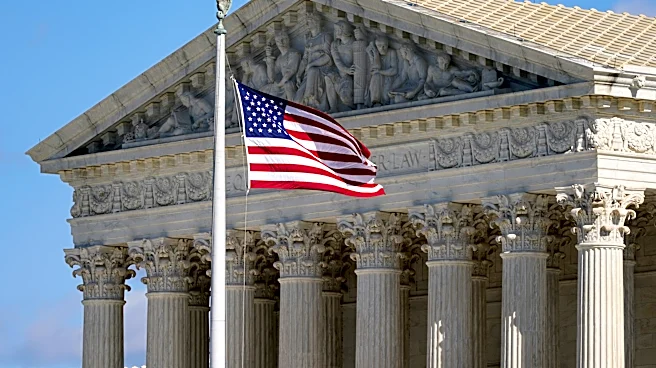
Rita Siebenaler, an 82-year-old resident of an independent living facility in Virginia, has joined the fight to protect immigrant caregivers as the Supreme Court reviews a case concerning the termination of Temporary Protected Status (TPS) by the Trump
administration. TPS allows immigrants from countries deemed unsafe to remain in the U.S. and work, but it does not provide a path to permanent residency. The case could affect over 1 million TPS holders, many of whom work in caregiving roles. Siebenaler, whose late husband was cared for by TPS holders, emphasizes the critical role these workers play in the U.S. healthcare system, especially as the population ages.
Why It's Important?
The outcome of the Supreme Court case could significantly impact the U.S. healthcare system, which relies heavily on immigrant workers. With an aging population, the demand for caregivers is expected to rise sharply, and TPS holders constitute a substantial portion of this workforce. If TPS is terminated, it could lead to a shortage of caregivers, affecting the quality of care for seniors. This situation highlights the broader debate on immigration policy and its implications for the U.S. economy and social services. The decision will also reflect on the legal processes surrounding immigration policy changes.
What's Next?
The Supreme Court's decision will determine whether the Trump administration's termination of TPS was lawful. Meanwhile, a bill to extend TPS for Haitians has passed the House but faces challenges in the Senate. The outcome of these legislative and judicial processes will shape the future of TPS holders and the caregiving industry. Stakeholders, including advocacy groups and lawmakers, are closely monitoring the situation, as it will set a precedent for future immigration policies.