







What's Happening?
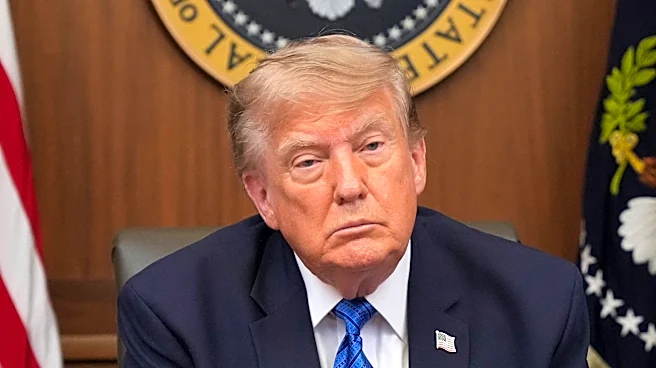
President Donald Trump has appealed a court ruling that blocked a settlement with the IRS, which included tax immunity and the creation of a $1.8 billion 'anti-weaponization' fund. The lawsuit, initially filed by Trump, his sons, and the Trump Organization,
claimed the IRS owed them $10 billion due to a leak of tax information. Judge Kathleen Williams ruled that the lawsuit was filed for improper purposes, effectively blocking the settlement. The appeal challenges this decision, which has significant implications for Trump's financial and legal standing.
Why It's Important?
The appeal is crucial as it addresses the use of legal settlements to potentially benefit political figures. The 'anti-weaponization' fund has been criticized for potentially shielding Trump and his associates from tax investigations, raising ethical and legal concerns. The case highlights the complexities of legal accountability for high-profile individuals and the potential misuse of taxpayer funds. The outcome of the appeal could impact public trust in the judicial system and influence future legal proceedings involving government entities and political figures. It also underscores ongoing scrutiny of Trump's financial dealings and the broader implications for transparency and accountability in government.
What's Next?
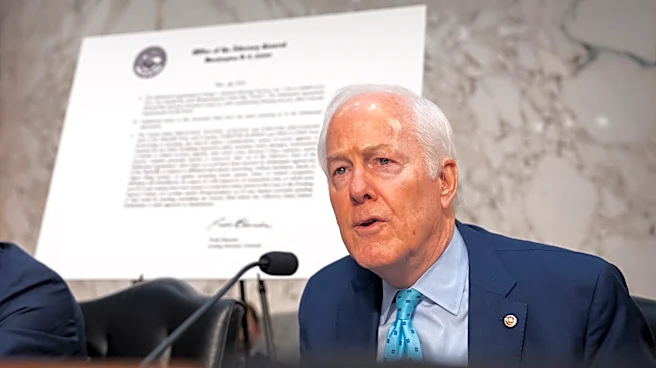
The appeal will be reviewed by the U.S. Court of Appeals for the Eleventh Circuit, with potential ramifications for Trump's legal strategy and financial disclosures. The case may influence the nomination process for key legal positions, as some senators have expressed concerns over the settlement's terms. The legal community and political observers will closely monitor the appeal's progress, as it could set important precedents for handling similar cases. The decision may also affect ongoing investigations into Trump's financial affairs and the broader political landscape.