





What's Happening?
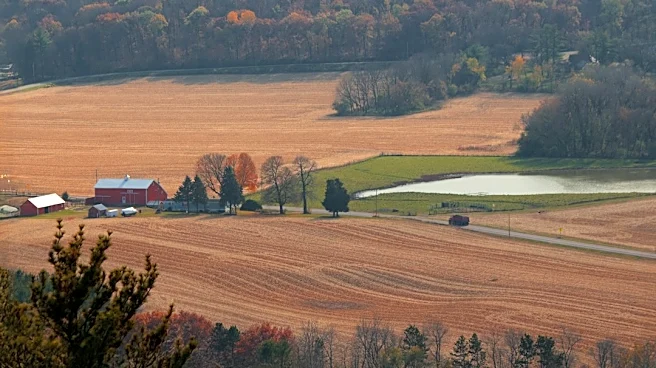
An infant in southwestern Wisconsin has died after contracting measles, marking the state's first measles-related death in 36 years. The Wisconsin Department of Health Services announced the fatality but did not disclose specific details about the location
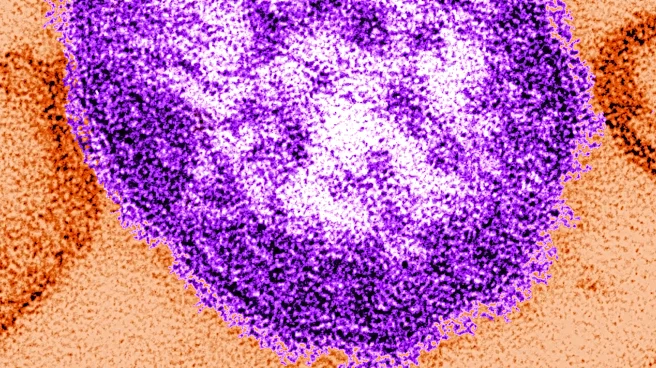
or the family to protect their privacy. State health officials confirmed that the coroner listed measles as the cause of death. Kirsten Johnson, secretary of the state health department, expressed sorrow over the tragedy, emphasizing that it was preventable through vaccination. The U.S. had largely eliminated the domestic spread of measles by 2000 due to high vaccination rates, but these rates have recently fallen below the 95% threshold required to prevent outbreaks. As of Thursday, Wisconsin has reported 431 measles cases, with all but three occurring in unvaccinated individuals, and nine people have been hospitalized.
Why It's Important?
This measles-related death in Wisconsin is a stark reminder of the severe consequences of declining vaccination rates and the re-emergence of preventable diseases. The fact that this is the first such death in 36 years underscores the success of past vaccination efforts and the current vulnerability of the population. The drop in vaccination coverage below the critical 95% threshold for herd immunity creates an environment where highly contagious diseases like measles can spread rapidly, leading to serious illness, hospitalization, and even death, particularly among infants and other vulnerable groups. This situation poses a significant public health challenge, potentially straining healthcare systems and requiring extensive resources for outbreak control and public education.
What's Next?
Following this tragic death, Wisconsin health officials are expected to intensify efforts to promote measles vaccination and educate the public on the importance of immunization. Public health campaigns may be launched to address vaccine hesitancy and misinformation, aiming to increase vaccination rates across the state. Healthcare providers will likely be urged to reinforce vaccination schedules and remain vigilant for measles symptoms. The state may also implement enhanced surveillance measures to track new cases and prevent further spread. This event could prompt a broader review of vaccination policies and public health strategies to safeguard against future outbreaks of vaccine-preventable diseases.
Beyond the Headlines
The death of an infant from measles in Wisconsin highlights a broader national trend of declining vaccination rates and the erosion of public trust in established medical science. This incident reflects the impact of vaccine misinformation and skepticism, which can lead to individual choices that have collective public health consequences. Beyond the immediate health crisis, the resurgence of measles can strain public health resources, divert attention from other health priorities, and potentially lead to long-term health complications for survivors. It also raises ethical considerations regarding the balance between individual autonomy and the collective responsibility to protect community health, particularly for those who cannot be vaccinated due to age or medical conditions.