
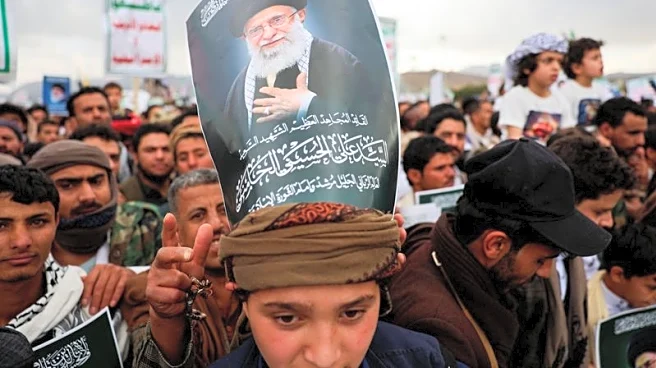
What's Happening?
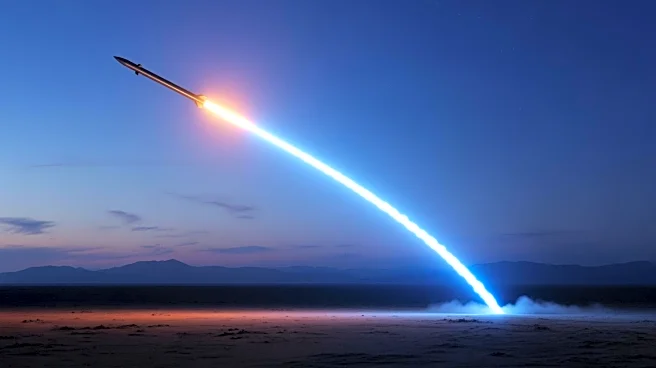
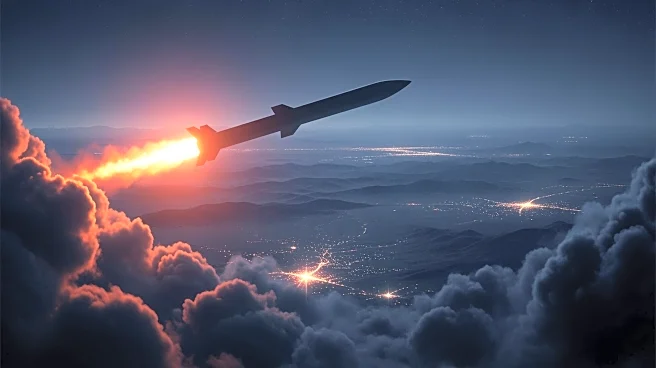
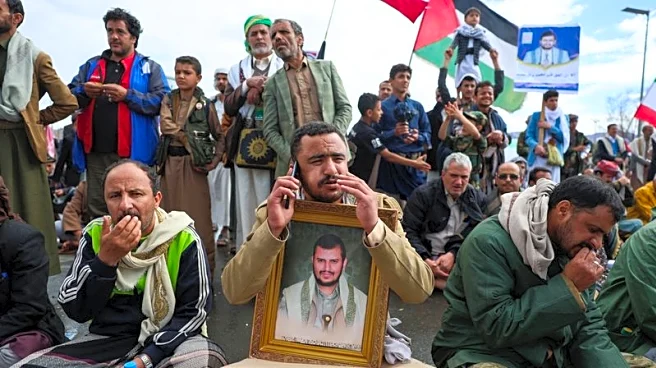
Iranian-backed Houthi rebels have claimed responsibility for launching a missile toward Israel, marking their first direct involvement since the conflict began. This development adds a new layer of complexity to the ongoing war, which already involves
multiple regional and international players, including the United States. The Houthi movement, based in Yemen, has been supported by Iran and has previously engaged in regional conflicts, but this marks a significant escalation in their activities. The missile launch signifies a potential widening of the conflict, drawing in more actors and possibly leading to further military engagements.
Why It's Important?
The involvement of the Houthi rebels in the conflict between Israel and its adversaries could have significant geopolitical implications. For the United States, which has been a staunch ally of Israel, this development may necessitate a reassessment of its military and diplomatic strategies in the region. The escalation could lead to increased military engagements, potentially drawing the U.S. into more direct involvement. Additionally, this move by the Houthis could strain U.S.-Iran relations further, as Iran's support for the Houthis is well-documented. The broader Middle East region could see heightened tensions, affecting global oil markets and international diplomatic efforts aimed at peace.
What's Next?
The next steps could involve increased military responses from Israel and its allies, including the United States. Diplomatic efforts may intensify as international players seek to de-escalate the situation. The U.S. might consider bolstering its military presence in the region or increasing support for Israel. Additionally, there could be calls for renewed negotiations or peace talks to address the underlying issues fueling the conflict. The international community will likely monitor the situation closely, with potential implications for global security and economic stability.